Judge temporarily restores White House access for CNN, MS NOW and Politico
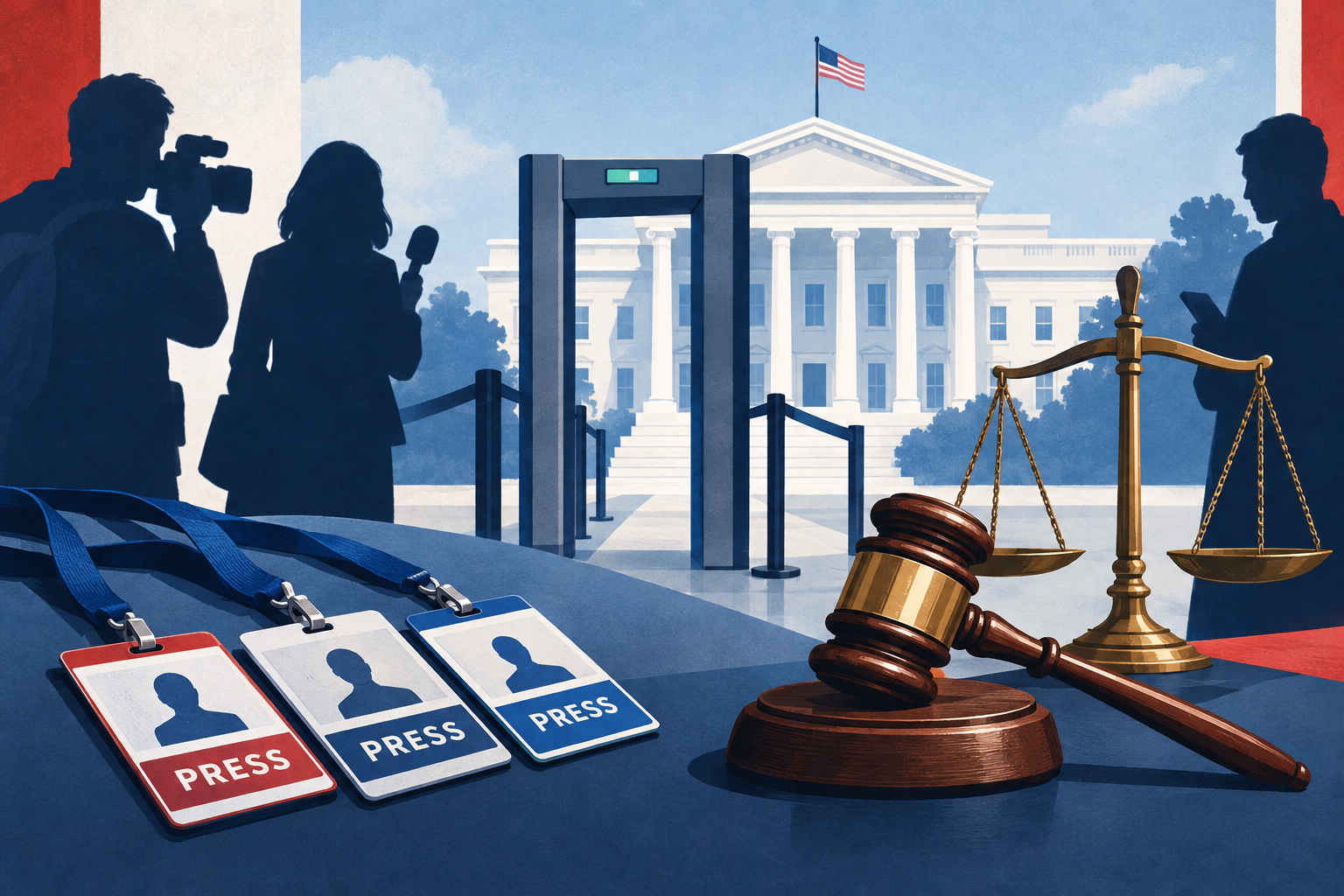
A federal judge has temporarily blocked the White House from excluding CNN, MS NOW and Politico, ordering officials to restore the organizations’ press credentials while their constitutional challenge proceeds.

U.S. District Judge Timothy J. Kelly issued the temporary restraining order early Thursday, September 24, directing administration officials and their representatives to immediately return, reinstate and restore the hard-pass credentials held by employees of the three outlets. The order remains effective for 14 days unless the court changes or extends it.
The ruling does not resolve the full lawsuit or establish that the outlets will ultimately prevail. It returns the parties to the position they occupied before the ban while Kelly considers a request for a preliminary injunction, which could keep the credentials active for a longer period.
Why press credentials became the central issue
President Donald Trump announced on September 18 that he was banning the three organizations from the White House, describing their reporting as false and unfair. Reporters subsequently found that their permanent credentials had been deactivated or confiscated, preventing their normal entry to the White House grounds.
The administration later sent formal letters accusing the outlets of publishing false information about national security and disclosing sensitive or classified material. Those allegations are disputed by CNN, MS NOW and Politico, which say the action was retaliation for coverage the president disliked rather than a neutral security measure.
A White House hard pass allows an approved journalist to enter the complex regularly without applying for a temporary credential for each visit. Losing that authorization can limit a reporter’s ability to attend briefings, question officials, observe presidential events and contribute to pooled coverage shared across the press corps.
The three companies and several of their journalists filed suit on September 21. They argued that the government had denied them notice, clear standards and a meaningful opportunity to challenge the decision before cutting off access.
What the judge decided
Kelly concluded that the plaintiffs had met the demanding standard required for emergency relief, particularly on their claim under the Fifth Amendment’s guarantee of procedural due process. Courts have previously recognized that once the government grants a White House press credential, it cannot withdraw that credential arbitrarily and without appropriate procedures.
The judge found that the government had offered limited support at this stage for its asserted national-security justification. He also noted the difference between that explanation and Trump’s public statements, which focused on the alleged negativity and accuracy of the outlets’ coverage.
The temporary order applies to the administration officials named as defendants, apart from Trump personally, and to their agents and representatives. It requires restoration of the affected hard passes, not merely the availability of temporary day passes.
Some journalists were initially turned away Thursday morning despite the overnight order, prompting the outlets to notify the court. The White House later told the court that credentials were available, and journalists from the three organizations returned to the grounds that day.
First Amendment questions remain open
The lawsuit also raises a broader press-freedom question: whether a president may exclude selected organizations because of their editorial choices or the viewpoint expressed in their reporting.
CNN, MS NOW and Politico allege that the ban constituted viewpoint discrimination and government retaliation prohibited by the First Amendment. Their lawyers acknowledge that the president may criticize news coverage, but argue that official authority cannot be used to punish protected reporting.
The administration maintains that access to the White House is a privilege subject to security and operational control. It says the decision was lawful and connected to concerns about the handling of sensitive information rather than an attempt to suppress criticism.
Kelly did not definitively decide the First Amendment dispute in granting temporary relief. His immediate ruling rested primarily on the likelihood that the outlets were deprived of a protected interest without adequate notice and an opportunity to respond.
What happens next
The court is expected to set an expedited schedule for written arguments and evidence on the request for a preliminary injunction. Additional filings are due by October 5, after which Kelly can hold another hearing and decide whether access should remain protected beyond the restraining order’s initial two-week term.
The administration may oppose an extension, revise its credential procedures or seek review from a federal appeals court. The outlets, meanwhile, will continue pursuing a declaration that the ban violated both the First and Fifth Amendments and an injunction preventing similar retaliation.
The next decision will therefore determine more than whether three organizations retain their passes. It could further define the constitutional limits on presidential control over access to one of the country’s most important centers of government power.