Five Killed in Fresh Manipur Violence as Police Investigate Two Incidents
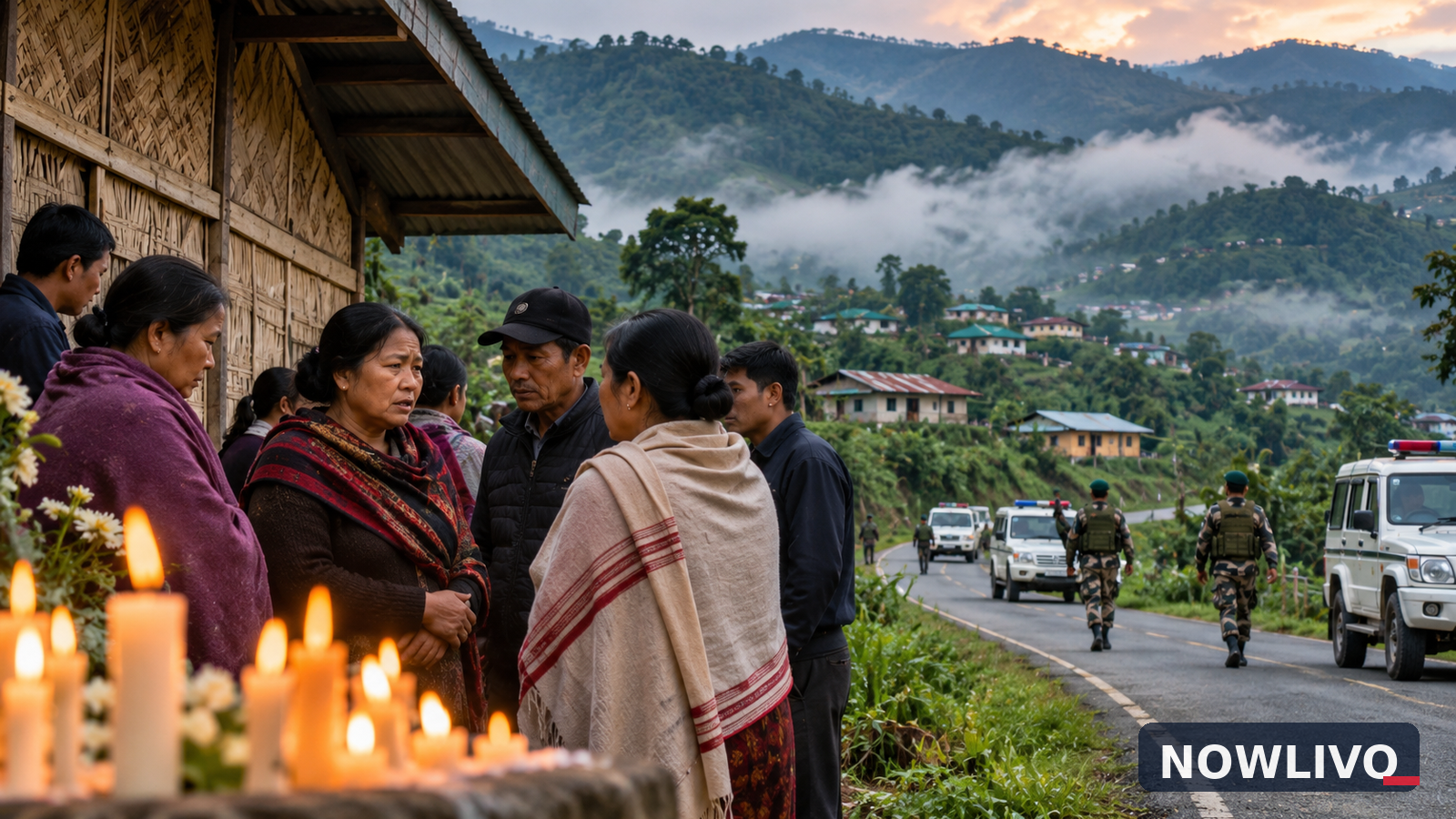
Five men have been reported dead in two separate incidents in Manipur, renewing concern about security in a state already affected by prolonged ethnic conflict. Police statements described three deaths in Noney district on Saturday, October 31, and the recovery of two bodies following a search in Kangpokpi district on Sunday, November 1. The men were identified in reporting as members of the Kuki community. The incidents were reported by Reuters on Sunday and remained a significant developing regional story on Monday morning.
The immediate priority in reporting is to separate what police said happened from claims about who was responsible. The deaths and the two locations are publicly reported. The identity of every attacker and the complete circumstances of the incidents have not been established in the available accounts. A leading Kuki tribal organisation blamed Naga separatist groups, but that accusation is a community allegation, not a completed finding by investigators.
Three deaths in Noney, two bodies recovered elsewhere
According to a police statement cited by Reuters, three Kuki men died during an exchange of gunfire involving unidentified armed people in Noney district on Saturday. The wording matters: police described unidentified armed participants rather than publicly naming a proven perpetrator. It would be inaccurate to present a community group's attribution as the police's final conclusion.
In a separate development, security personnel recovered the bodies of two other men after they had been reported missing earlier in the week. Reuters cited a second police statement placing the recovery in Kangpokpi district on Sunday morning. Some local reporting described a neighbouring hilly area in connection with the search. That difference in geographic description should not be used to invent a precise recovery point absent a clear official account.
The two incidents together produced the reported death toll of five. They should not be merged into a single attack or described as one continuous gunfight. Their connection, if any, requires evidence beyond the shared background of tension in the region.
Community allegations and the risk of further escalation
A Kuki tribal body accused Naga separatist outfits of carrying out an unprovoked attack. That claim is important because it helps explain why community tensions may rise, but it is still an allegation. The available reporting does not establish a final police finding that the named groups carried out the killings. The distinction is essential in a region where unverified claims can worsen mistrust between neighbouring communities.
Kuki and Naga groups have a history of competing claims over territory and political identity in the northeastern state. Reuters reported that tensions had been aggravated by earlier incidents this year, including an alleged assault in February and the killing of three Kuki pastors in May, which were followed by retaliatory abductions and killings. Those earlier events provide context; they do not by themselves prove responsibility for the latest deaths.
Protests add pressure to a volatile security situation
The deaths came amid large demonstrations in Imphal and other locations calling for the end of a ceasefire arrangement between Kuki armed groups and the Indian government. Protesters' demands form part of the political context, but the existence of protests does not establish that every participant shares the same view or that the demonstrations caused the latest killings.
Manipur's wider conflict also involves the Kuki and Meitei communities and has persisted since May 2023. Reuters reported that more than 300 people had died in that broader conflict and over 60,000 people remained displaced, many in temporary shelters. Those figures describe the longer crisis, not casualties from the October 31 and November 1 incidents alone.
Why precise language matters in this case
Reporting a fresh death toll is necessary, but careless language can turn a still-developing investigation into a misleading story about entire communities. The police account, the community organisation's accusation and the broader history should remain distinct. Nothing in the current reports justifies blaming every member of any ethnic group or treating allegations as proven criminal responsibility.
The humanitarian implications are also immediate. People living in conflict-affected areas must navigate uncertainty about travel, work, access to services and the safety of relatives. Yet specific road closures, curfews or evacuation orders should not be asserted without a current government notice. Readers seeking travel or safety information should consult district authorities rather than assume that all parts of the state face identical restrictions.
What remains unresolved
The known development is the loss of five lives in two reported incidents and the renewed strain on Manipur's security situation. The identity of the assailants, any arrests, and the conclusions of investigations remain open questions in the sources reviewed. Those would be meaningful reasons for a later update. Until then, the police-reported facts and the attributed community allegations are the appropriate boundaries for coverage.
Sources reviewed: www.reuters.com, www.independent.co.uk. Reporting reflects information available on the morning of 2 November 2026 (IST).