Nike Unveils ₹3,795 Vegam Run Shoe for India, Flipkart Sales Begin November 1
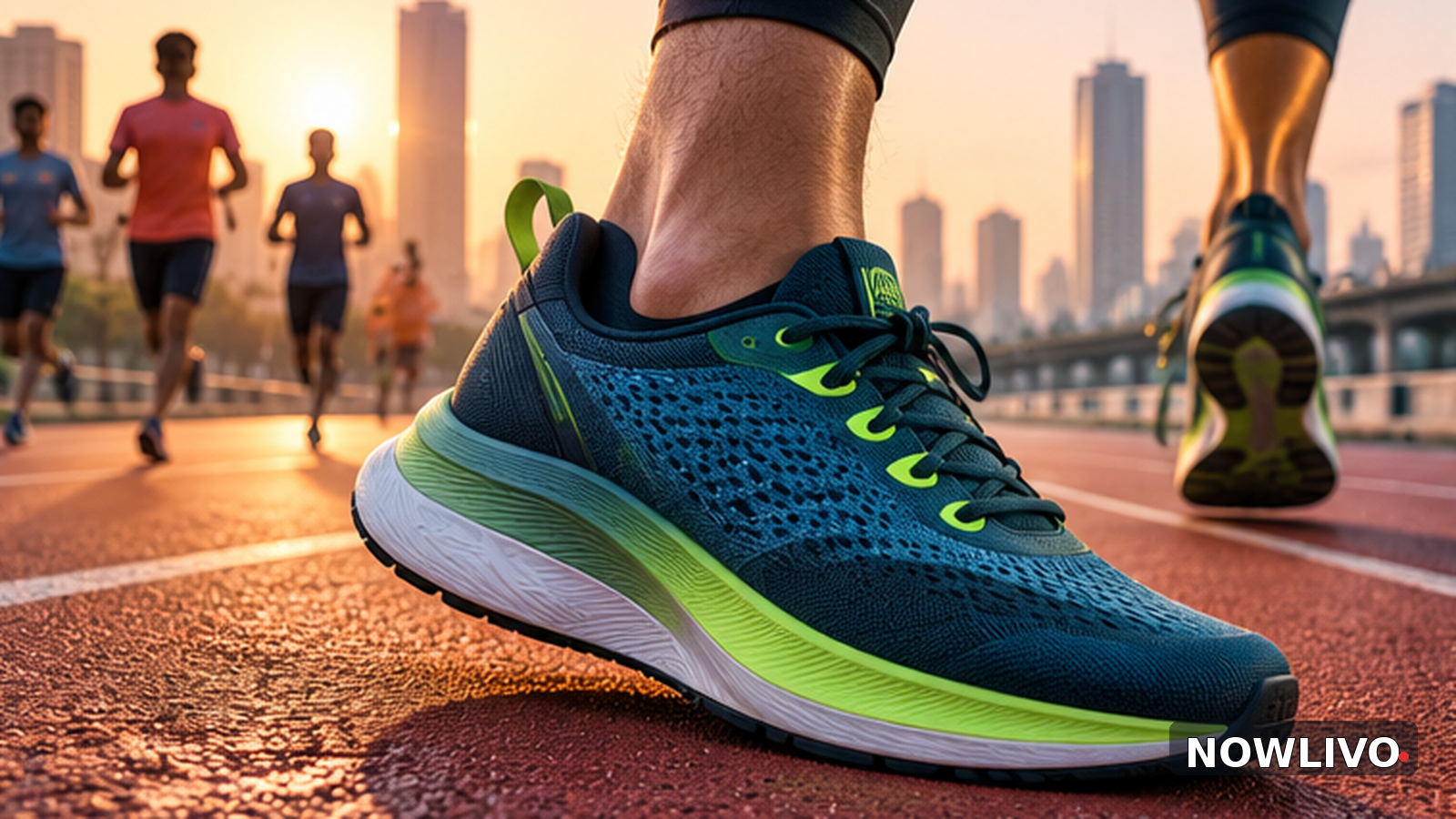
Nike has unveiled a running shoe made specifically for the Indian market, putting a concrete price and release date behind its latest attempt to reach a larger audience of runners. The new model, called Vegam Run, is priced at ₹3,795 and is scheduled to go on sale through Flipkart on November 1. Reuters reported the announcement on October 29, describing the shoe as the brand’s first running model developed specifically for India. The launch gives shoppers an immediate decision rather than a distant product promise: a locally targeted Nike shoe will be available within days at a price below many of the brand’s premium performance models.
The announcement comes at a time when running is drawing growing attention in Indian cities, from organised events to informal fitness groups. Nike is looking for a way to participate in that activity without assuming that a product designed for a different market will necessarily meet local expectations on price and everyday use. The company said the Vegam Run was developed in roughly five months. That relatively short development cycle suggests an effort to respond quickly to a specific opportunity, although the company has not publicly demonstrated that the model will outperform existing running shoes.
What buyers know about the launch
The confirmed details are straightforward: the name is Vegam Run, the announced India price is ₹3,795 and the online release is planned for November 1 on Flipkart. Those facts are more useful than speculation about future discounts or an unannounced store rollout. A listing price can differ from the final amount a customer pays after delivery charges, coupons or promotions, so the retailer’s checkout should be treated as the final reference once sales begin. Availability by size and colour may also change after launch. None of those potential variations should be reported as confirmed stock levels before the listing goes live.
A price around ₹3,800 places the product in a competitive part of the Indian athletic-footwear market. Shoppers in this range can compare products from domestic labels, international brands and sports retailers. The relevant questions are fit, comfort, grip, durability and the kind of running the shoe is intended for. A brand name alone does not establish that a shoe is right for long-distance training or for every runner’s gait. The current reporting is about the launch and commercial strategy, not independent wear testing, so claims about cushioning performance or injury prevention would be premature.
Why Nike is designing for India
Nike’s India move sits within a broader effort to find growth as the company faces pressure in other regions. Reuters reported that China, historically an important market for the brand, has seen a prolonged run of weak sales. At the same time, Nike’s running business has performed more strongly than some other categories. India offers a large population of younger consumers and an expanding interest in fitness, but it is also price-sensitive and intensely competitive. A locally conceived shoe is one way to test whether the brand can serve runners who may not regularly buy high-priced imported performance footwear.
The company has also announced plans for a new campus in India, another indication that the country is becoming more important to its long-term operations. A campus announcement and a shoe launch are not the same investment, and neither guarantees future sales. Together they suggest a strategy that is more substantial than a one-off marketing campaign. The central commercial question is whether Nike can offer products at prices that reach new buyers while maintaining the quality and identity that have made the brand valuable globally.
What the November 1 sale will show
The first public test of the launch will be the actual retail listing. Customers will be able to see which sizes and colour options are offered, how quickly orders can be delivered and whether the ₹3,795 price applies consistently across variants. Early reviews may then help answer questions about fit and comfort, although short first impressions are not a substitute for longer use. If Nike publishes more detailed technical specifications, they can be compared with rival products in the same price band. Until then, the sensible distinction is between confirmed launch information and performance claims that still need evidence.
For the sportswear industry, Vegam Run is interesting because it reflects a change in how a global brand approaches a large developing market. Rather than simply importing an existing design and marketing it more aggressively, Nike says it created a shoe with Indian consumers in mind. That could influence the competitive response from rivals if the product attracts substantial interest. But the scale of the opportunity remains to be measured through sales and repeat purchasing, not by the launch announcement alone. One shoe does not prove that the company has solved its wider growth challenges.
The immediate consumer news is clear and time-sensitive: Nike has announced the Vegam Run, priced it at ₹3,795 and scheduled a Flipkart release for November 1. The next meaningful developments would be a confirmed product listing, any change in price or availability, and credible hands-on testing. Until those arrive, shoppers have a date and a price to work with, while the company has a visible new attempt to win a broader share of India’s running market.