Magnitude 7 Earthquake in Tibet Leaves at Least 16 Dead, Rescue Work Continues
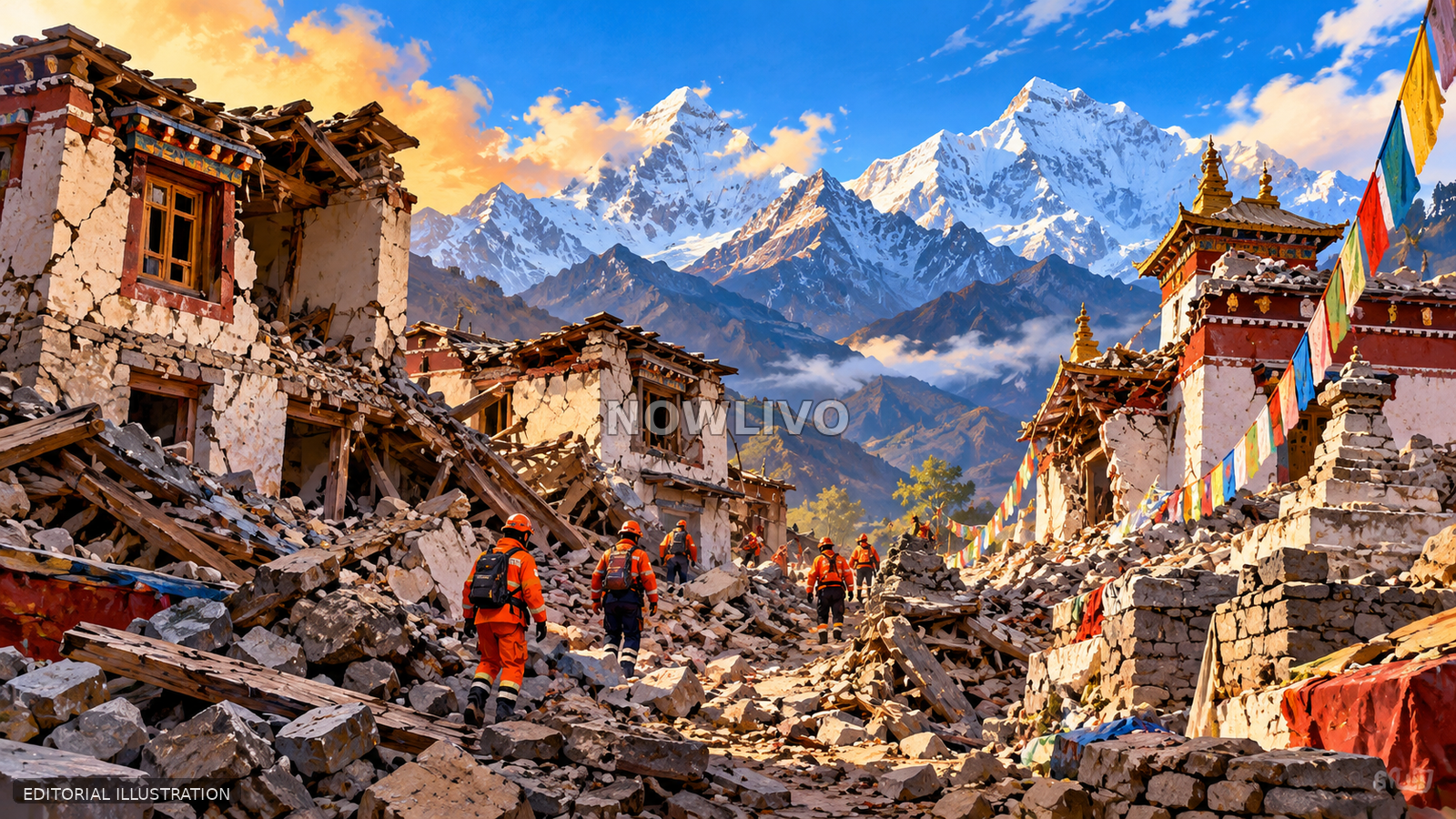
A magnitude 7 earthquake struck Tibet, leaving at least 16 people dead and 76 injured in reports published on October 23, while rescue operations continued. The figures were reported as crews worked through damaged buildings and rubble in a high-altitude region where difficult terrain can complicate access. The toll in a disaster is often revised as rescue teams reach isolated locations, assess damaged structures and reconcile local reports. It is therefore important to identify the figures as the latest reported count rather than a final accounting. The immediate priorities are locating survivors, treating injured people, providing shelter and determining which homes and public facilities remain safe to use.
What has been reported so far
Reports on Friday described a magnitude 7 earthquake in Tibet, with at least 16 deaths and 76 injuries reported at the time. A casualty count in the first day of a major earthquake is provisional because communications can be disrupted and responders may not immediately reach every settlement. The number can rise as people are found, or be corrected when duplicate reports are removed. Readers should check the timestamp on updates and notice whether a figure is attributed to authorities, local media or an aid organisation. The available reporting establishes a serious event and an active response, but it does not support treating the early numbers as the final toll.
Why rescue conditions can be difficult
Earthquake response in mountainous terrain can involve narrow roads, unstable slopes, weather exposure and settlements separated by long travel times. Damaged bridges or blocked routes can slow the movement of rescue crews, medical supplies and heavy equipment. In high-altitude locations, responders may also have to work in cold conditions while assessing whether aftershocks or unstable buildings make an area unsafe. Those factors can complicate both rescue and damage assessment. They do not mean that help cannot reach affected communities, but they explain why authorities may initially report incomplete information and why operations often continue after the first dramatic images emerge.
The first priorities after a strong quake
The first phase of response focuses on finding people who may be trapped, treating urgent injuries and making damaged areas safer to enter. Search teams may use trained dogs, acoustic methods, cameras and manual clearance depending on the site and resources available. Medical teams must assess injuries and organise onward treatment, while local authorities identify buildings at risk of collapse. Temporary shelter, clean water, food and communications become increasingly important if residents cannot safely return home. A response is not complete when the first rescue teams arrive; needs can continue for days as communities establish where they can stay and which roads, clinics and public services remain functional.
Why aftershocks and building safety matter
A major earthquake can be followed by aftershocks that unsettle already weakened walls, roofs and rock slopes. A building that appears to be standing may still have structural damage that makes re-entry unsafe. Residents should follow local instructions about inspections and avoid entering visibly damaged structures until competent authorities say it is safe. In mountainous areas, landslides and falling debris can create secondary hazards even away from the centre of shaking. Public guidance should explain both immediate precautions and how to access information about shelters, medical support and road conditions. A return to normal routines should be based on safety checks rather than the absence of visible movement.
What the casualty figures cannot show
Deaths and injuries are the most urgent figures, but they do not fully describe the impact. Families may be displaced, roads and utilities may be damaged, and schools, health facilities or local businesses may be unable to operate. People can lose documents, livestock, tools and the everyday items that make a home usable. Those effects may take longer to measure than the initial rescue operation. Accurate reporting should explain what is known about physical damage and displacement when credible information becomes available, while avoiding estimates that have not been sourced. The long-term recovery needs will become clearer as teams complete damage assessments and local communities report urgent gaps.
Cross-border awareness and regional readiness
Tibet’s high-altitude geography and proximity to other parts of Asia mean that major seismic events draw attention well beyond the immediate area. However, the actual effects on neighbouring communities depend on the earthquake’s location, depth, terrain and local building conditions. It would be inaccurate to infer damage or casualties in another country without reporting that evidence. Regional authorities may still review seismic alerts, transport impacts or support options. Preparedness lessons are broadly relevant: secure heavy furniture, identify safe places indoors, keep emergency supplies accessible and know how local authorities communicate instructions. Communities in earthquake-prone regions benefit from preparation before an event rather than trying to assemble plans during a crisis.
How to follow updates responsibly
During a disaster, old videos and photographs can be recirculated as if they show the latest damage. Viewers should look for the location, date and source of an image before sharing it. Official rescue updates, credible news organisations and aid agencies can help clarify what is happening, while unverified accounts may confuse the location or repeat an early casualty figure. It is also important to distinguish an eyewitness account from a complete assessment of the region. The best updates state what changed since the previous report, identify the source of new figures and acknowledge gaps. That approach gives readers useful information without overstating certainty.
What to watch as rescue continues
The next updates should clarify whether more survivors have been located, whether the death and injury toll has changed, which settlements remain inaccessible and what shelter or medical assistance is required. Authorities may also report infrastructure damage and the status of roads or public services. Any revised figures should be read with their timestamp, since a newer total can replace an earlier provisional estimate. The most important measure in the immediate hours is whether rescue teams can reach those in danger and get injured people to care. The reported toll underscores the severity of the earthquake, while the continuing operation means the picture may develop.