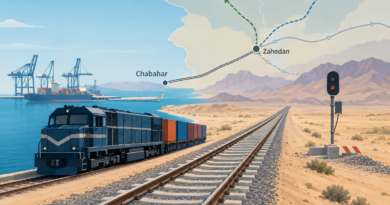
Trump Rejects Iran’s Seven-Day Hormuz Plan as Talks Remain Possible
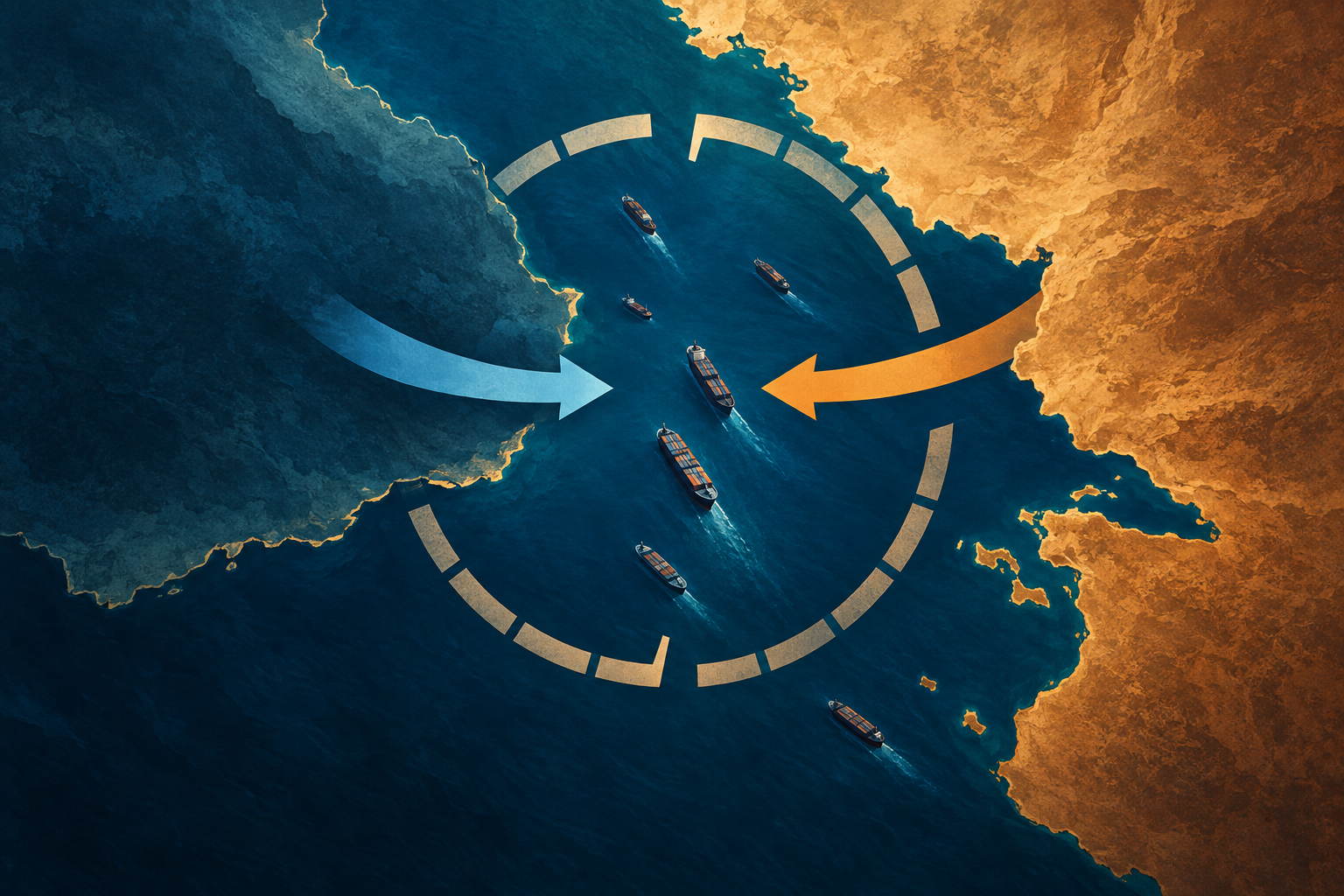
President Donald Trump has rejected an Iranian proposal that Tehran said could reopen the Strait of Hormuz within seven days. The decision leaves a major obstacle to ending the regional conflict unresolved, even as both governments indicate that diplomacy may continue.

Trump confirmed his rejection publicly on Saturday, September 26. Separately, a report citing unnamed U.S. officials said he had told aides he expected to resume strikes against Iran after the U.S. midterm elections in November. That account describes a private expectation, not an announced military order or a fixed timetable. On Sunday, Trump said he expected further talks with Iran during the coming week.
What Iran proposed
Iranian Foreign Minister Abbas Araghchi said Tehran had conveyed a seven-day plan to Washington through Qatar. Under the proposal as he described it, the United States would lift its naval blockade of Iranian ports, ease restrictions on Iranian oil sales and observe a wider cessation of hostilities. Iran would then reopen the strait and begin talks with the United States on a longer-term agreement.
The conditions matter as much as the deadline. The plan was not an unconditional offer to restore shipping immediately: reopening depended on steps Iran wanted Washington to take first. The two sides also remain divided over the scope of future negotiations. Tehran has emphasized the strait and the blockade, while the Trump administration has sought concessions on Iran’s nuclear program.
Trump said Saturday that he had rejected the proposal. The following day, however, he said he expected more talks and described the offer as different from the deal he wanted. Araghchi, for his part, said Iran was still waiting for a definitive U.S. response through mediators despite Trump’s public comments. Those statements leave room for another proposal or revised terms, though neither side has announced an agreement.
What the midterm account does—and does not—establish
The reported expectation of renewed strikes after the November elections is a consequential detail, but it should not be mistaken for a confirmed decision to attack. It rests on an account attributed to unnamed U.S. officials rather than a public commitment by Trump. Military choices could change with negotiations, events at sea or decisions by either government.
Trump has kept the possibility of force in view while discussing diplomacy. Asked Sunday whether he was considering renewed strikes, he said he was always thinking about it. That answer underscores the uncertainty rather than establishing when, whether or on what scale further attacks might occur.
The election reference also requires care. Trump has accused Iran of delaying a settlement until after the midterms; Araghchi has said the U.S. election is not part of Tehran’s calculations. Neither assertion resolves what each government will do in the weeks ahead.
Why the strait matters
The Strait of Hormuz connects the Persian Gulf to open waters and serves as a vital route for oil and liquefied natural gas. Before the conflict, roughly a fifth of global petroleum liquids consumption was equivalent to the volume of oil passing through it. That historical figure describes the waterway’s importance, not the amount currently moving through it: wartime disruption has sharply changed shipping patterns.
A dependable reopening could reduce risks for crews and vessels and help restore confidence in energy deliveries. Continued uncertainty could instead keep freight and insurance costs elevated, complicate supply planning and contribute to volatile fuel prices. Even a diplomatic announcement might not immediately return traffic to normal; ship operators would need confidence that passage was safe and that the rules governing transit were clear.
The security stakes reach beyond the waterway. A ceasefire covering other fronts would require agreement on who stops fighting, where and under what conditions. If negotiations fail or maritime incidents intensify, governments and shipping companies could face renewed pressure to protect vessels and energy infrastructure. For now, the clearest near-term test is whether mediators can turn the rejected seven-day plan into terms both Washington and Tehran will accept.