US Intelligence Memo Warns of Advanced Iranian Plots as Embassies Adjust Staffing
A warning to senior US officials
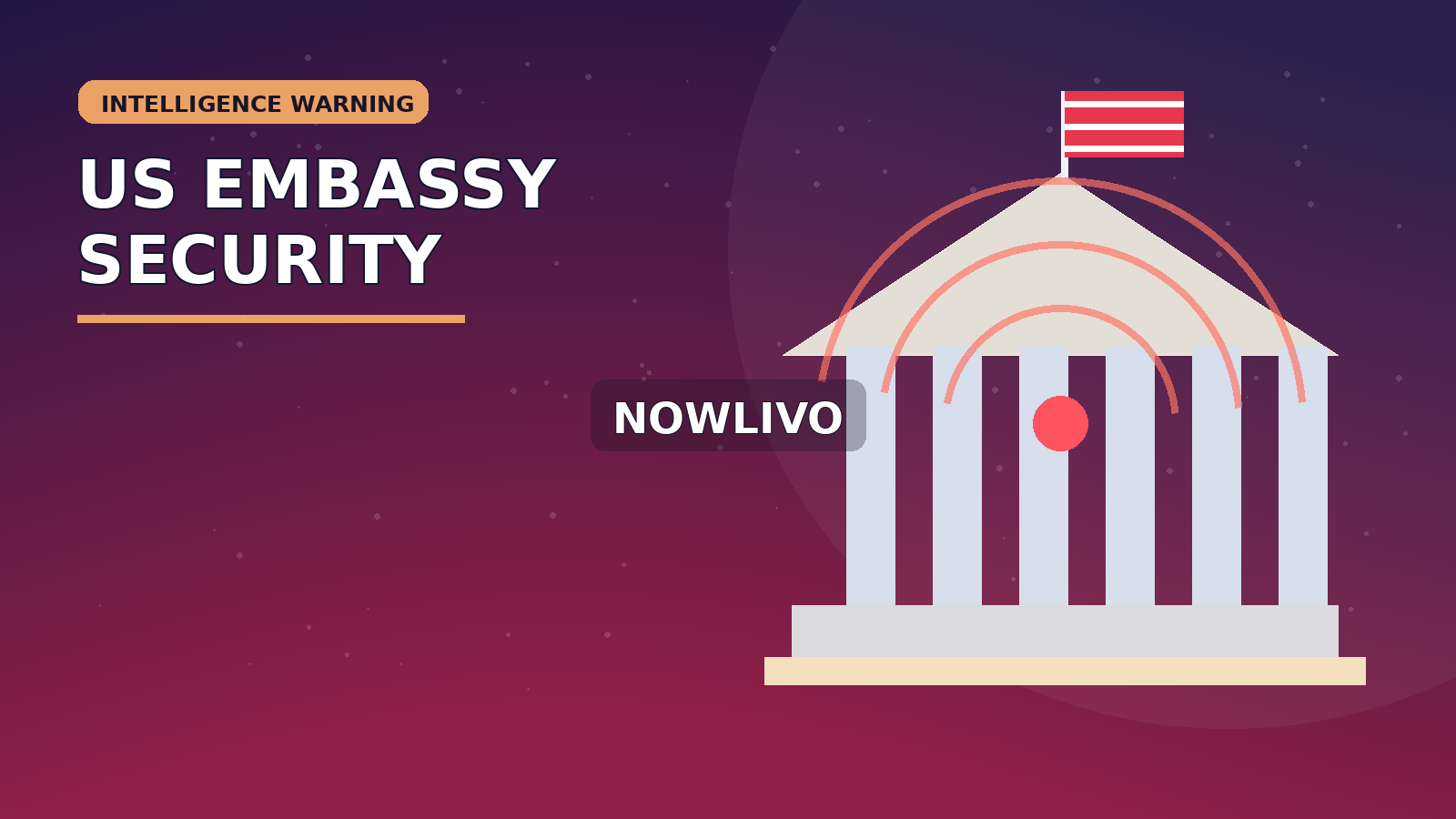
A US intelligence memo dated October 23 warns that Iran has increased efforts to target American personnel and that some alleged plots have reached advanced stages. Reuters reported the memo on October 24 after reviewing it. The message was sent by Director of National Intelligence Jay Clayton to Secretary of State Marco Rubio, with CIA Director John Ratcliffe copied. The warning is an assessment attributed to US intelligence officials; it does not establish that every described threat will result in an attack, nor does it identify a specific public target or timetable.
What the memo says
The document says intelligence received through several channels points to increased Iranian targeting efforts against US personnel in the Middle East and certain other countries. Reuters described it as an unclassified memo first reported by Axios. Its language indicates serious concern within the administration, but the underlying intelligence is not laid out publicly in sufficient detail for independent verification. Readers should therefore understand both the weight of the official warning and the limits of what can be checked from the published document.
Embassy staffing changes
The State Department had already ordered non-emergency government employees and their families to leave US diplomatic missions in Saudi Arabia, according to Reuters. Officials were also preparing additional family withdrawals at other missions in the region. These are precautionary staffing decisions, not announcements that the embassies have all closed. Diplomatic posts can continue restricted operations while reducing the number of people exposed to potential danger. The department has said it continually reassesses security conditions and staffing needs.
Travel advisories broaden
On Saturday, the department updated travel advisories for more than a dozen countries in the Gulf and wider Middle East, including Saudi Arabia, Qatar, the United Arab Emirates, Iraq and Israel. The updates cited an increased threat from Iran-aligned Houthi forces and related security concerns. Travel advisories can vary by country and by the level of risk identified. Anyone planning a journey should consult the specific current advisory for the destination rather than assume the same restrictions apply across the region.
Why the warning comes now
The memo arrives amid a prolonged regional conflict involving the United States and Iran. Attacks on commercial shipping in and around the Strait of Hormuz have added economic and security pressure, while Houthi operations have raised concerns about personnel and facilities across the region. Reuters previously reported that Iran was preparing a stronger response if the United States resumed large-scale military strikes. These developments provide context for the intelligence assessment but should not be treated as proof that a particular new plot has already been carried out.
The Strait of Hormuz dimension
The waterway is a major route for energy shipments, making security there important far beyond the countries directly involved in the conflict. Attacks or threats to commercial vessels can affect insurance, freight costs and shipping decisions. Diplomatic staffing and travel advisories are another channel through which the conflict touches civilians and businesses. The same broad security environment can influence both, although a shipping incident and an alleged plot against personnel are different kinds of risk and require separate evidence.
Politics and the midterms
The Iran war has become a major issue in US politics before the November 3 midterm elections. President Donald Trump has said the United States would not resume military strikes on Iran before voting, while officials continue to describe a serious security environment. The intelligence warning should not be reduced to an election tactic: threats to people and missions require operational decisions regardless of campaign timing. At the same time, the administration’s handling of the conflict and its costs is a legitimate subject of public debate.
How to read a security advisory
A travel advisory is a risk communication tool, not a prediction that every traveller will encounter an attack. It may include guidance about particular cities, borders, transport routes or categories of personnel. The October 24 changes followed a mix of regional threats and diplomatic security assessments. Americans abroad should consult the destination-specific State Department page and follow any instructions from their employer or local authorities. The public memo does not supply enough detail to identify all alleged plots, and reporting a precise location or target without evidence would create a false sense of certainty. The same caution applies to claims circulating online that a specific embassy has closed: staffing reductions and restricted operations can mean different things from a complete suspension of consular services.
What remains uncertain
The public record does not identify the full intelligence sources, the exact locations of the alleged advanced plots or whether any specific threat has been disrupted. Reuters reported what the memo said and how US officials were responding. The next material updates would be confirmed changes in embassy operations, new official travel guidance or evidence of an actual incident. Until then, the responsible headline is a warning about alleged plotting and precautionary measures, not a claim that an attack is imminent everywhere.