2026 US Midterm Elections Give Democrats Congress, Reshaping Trump’s Agenda at Home and Abroad
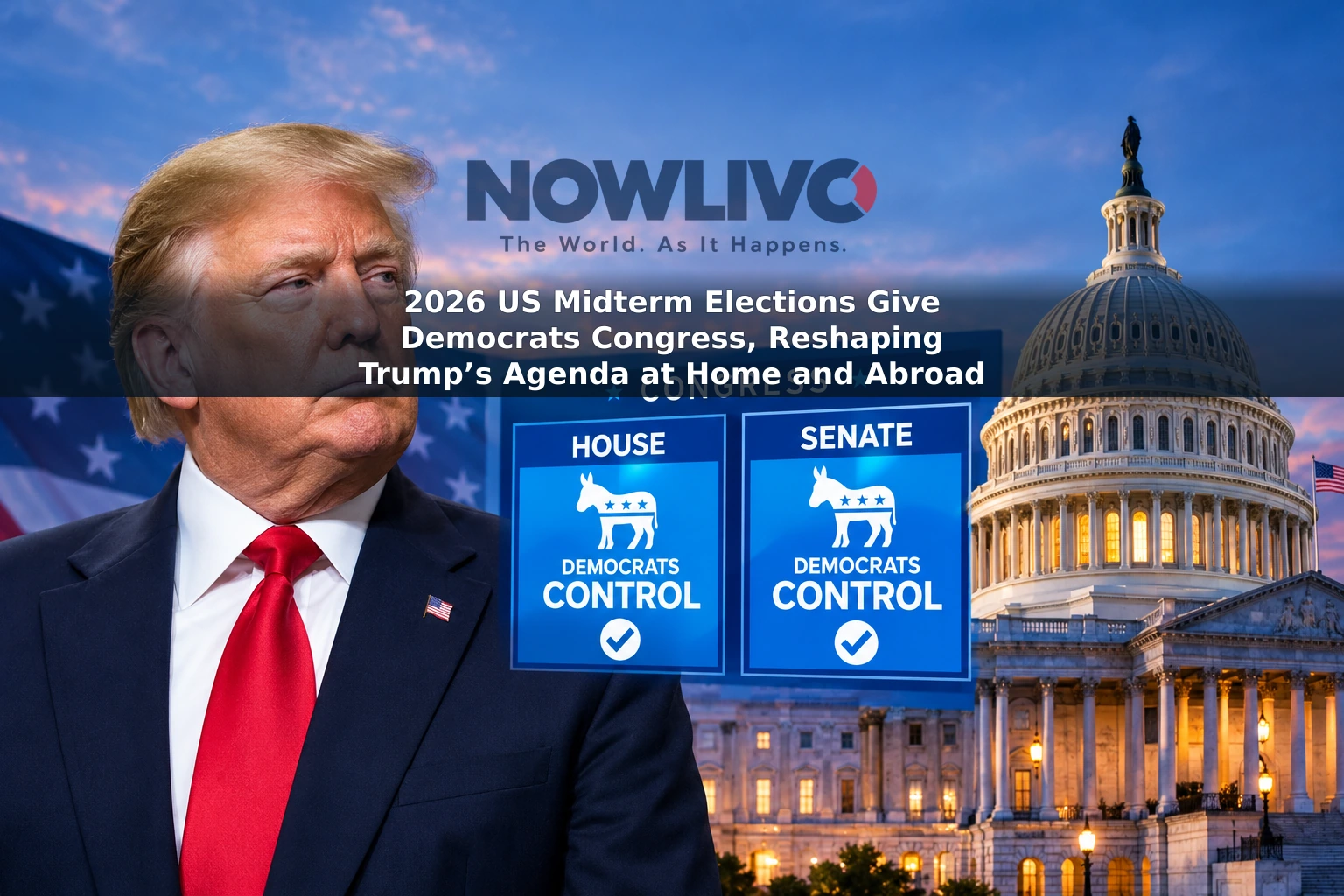
Democrats won control of both the US House and Senate in the November 3, 2026, midterm elections, ending Republicans’ unified control of Washington. When the new Congress takes office on January 3, 2027, President Donald Trump will face opposition majorities for the final two years of his term, with consequences for government spending, the Iran war, trade and US relationships around the world.
The result was clear even as some individual races remained uncalled on November 4. Democrats gained seats across the country, including Senate victories in Texas, Kansas and South Carolina. The election gave them the power to set the congressional agenda, chair committees and scrutinize the administration. It did not give them the power to change presidential policy on their own.
High prices and the Iran war shaped the vote
Voters went into the midterms frustrated by the cost of living and the direction of the country. An Associated Press voter poll found that about eight in 10 said inflation had caused at least moderate financial hardship for their households. Government corruption was also a leading concern.
The war with Iran brought foreign policy into household budgets. Higher oil and gasoline prices made the conflict more immediate for voters already struggling with expenses. On November 4, Trump acknowledged that the war had affected the election, while standing by it. Vice President JD Vance blamed the war for Republican losses.
The Democrats’ Senate wins reached well beyond the states the party had initially expected to contest most closely. James Talarico won in Texas, Adam Hamilton defeated a Republican incumbent in Kansas, and Annie Andrews won in South Carolina. Democrats also secured a House majority, despite Republican efforts to redraw districts in their favor.
What changes in Washington
For Americans, the most direct change will be who decides which bills receive hearings and votes. Democratic leaders have said they want to focus on the costs of groceries, gasoline and health care. They also plan to examine Trump administration decisions through congressional investigations.
Control of both chambers gives Democrats a stronger hand in negotiations over federal funding. They can question officials at hearings, demand records and propose conditions on spending. Their Senate majority will also allow them to decide whether to confirm nominees for senior government, diplomatic and national security posts.
Those powers have limits. Trump remains president and can veto bills passed by Congress. Democrats do not have the two-thirds majorities needed to override a veto without substantial Republican support. That makes negotiations—and possible fights over government funding—central to the next two years.
The change will not be immediate. Republicans remain in control of Congress until the newly elected members take office on January 3. Lawmakers still have funding decisions to make before then.
Why the result matters beyond the US
The election changes who speaks for Congress on wars, aid and international agreements, but it does not transfer control of US foreign policy from the White House. Trump will remain commander in chief and will retain considerable authority over diplomacy and tariffs.
The Iran war is likely to face closer congressional scrutiny. Democratic committee leaders can hold hearings on its conduct and cost, and lawmakers can try to limit or condition spending. Whether they can force a major change in military policy will depend on the legislation they pass, support from Republicans and the president’s response.
Ukraine and European allies will also be watching. Congress has a role in funding military assistance and setting defense requirements, while the administration directs day-to-day diplomacy. A Democratic Congress may press for a different approach to Ukraine and NATO, but the election alone does not guarantee a change in US policy.
For countries and businesses affected by American tariffs, the distinction is similar. Democrats can investigate trade decisions and propose legislation to restrict the president’s authority. Existing law, however, gives the White House substantial room to set tariffs. Congressional control by itself will not remove them.
Financial markets reacted quickly on November 4: US stocks rose, while oil prices fell. Those moves reflected expectations about the political shift and the war, not a settled outcome for either. Future prices will depend on events in the Middle East, business conditions and the decisions Washington makes next.
The midterms have therefore created a divided US government with two competing sources of power. Democrats will be able to challenge Trump’s plans and demand answers from his administration. Trump will still be able to shape many decisions that affect the US and the wider world. The first test comes as both parties prepare for the new Congress and confront the federal funding decisions ahead.