Mirzapur’s ‘bhaukaal’ fuels online buzz as movie holds theatrical ground
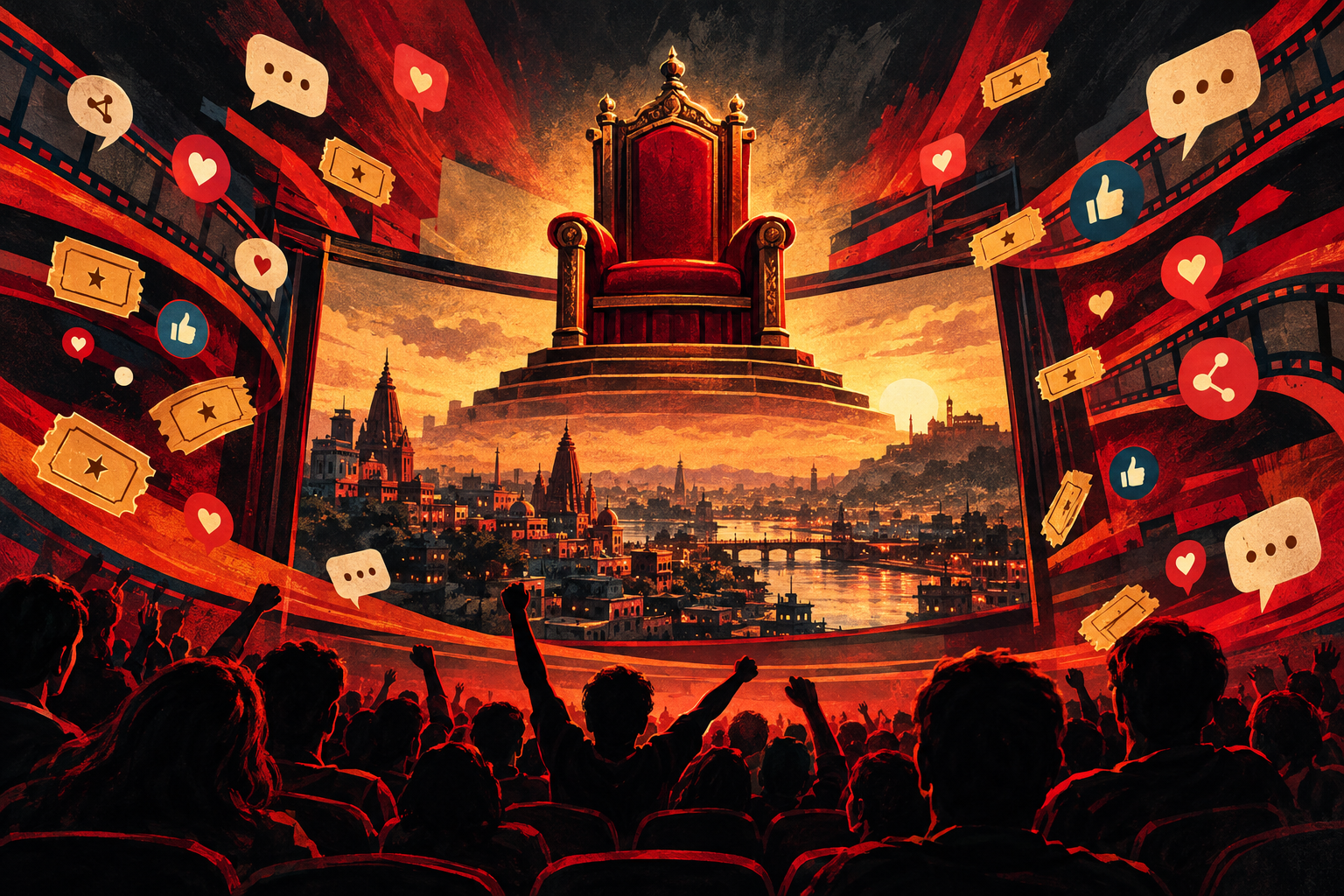
Mirzapur: The Movie is extending the franchise’s trademark “bhaukaal” beyond streaming, with fan edits, dialogue callbacks and character-focused reactions keeping the film visible online three weeks after its theatrical release.

Released on September 4, 2026, the crime thriller brings the world of Kaleen Bhaiya, Guddu Pandit and Munna Tripathi to cinemas. The transition has given established fans something they could not experience while watching the series at home: collective cheering for entrances, punchlines and confrontations that already carry years of audience familiarity.
Familiar characters drive the conversation
Divyenndu’s return as Munna Bhaiya has emerged as one of the biggest talking points. Clips and reactions repeatedly focus on the character’s swagger, comic aggression and confrontations with other figures from the Mirzapur universe. Pankaj Tripathi’s controlled presence as Kaleen Bhaiya and Ali Fazal’s physical intensity as Guddu Pandit are also central to the online discussion.
Ravi Kishan’s appearance as a new challenger has given viewers another performance to debate, while the return of familiar faces has strengthened the film’s appeal as a franchise event rather than a conventional standalone crime drama.
The most widely shared responses celebrate the action, background score, theatrical scale and dialogue-heavy confrontations. References to the “gaddi” of Mirzapur, Kaleen Bhaiya’s authority and Munna’s unpredictable behaviour have supplied ready-made material for memes and short videos.
The reception is not uniformly positive, however. Some viewers have questioned the film’s length and pacing, while others argue that its reliance on recognisable dialogue patterns and fan service occasionally overwhelms the story. That mixed response is important: the volume of social-media activity reflects intense engagement, but not universal approval.
Marketing noise and audience momentum are not the same
The film arrived with a promotional campaign built around scale, nostalgia and the promise of seeing Mirzapur’s most popular characters on a large screen. Trailer reactions, cast posts, branded hashtags and promotional clips helped create the initial surge in attention.
Organic audience conversation continued after release, particularly around Munna Bhaiya’s comeback, character entrances and scenes designed to generate cheers. Even so, trending phrases and viral videos cannot independently establish how many tickets were sold. Promotional visibility, audience enthusiasm and box-office earnings are related signals, but they should not be presented as interchangeable.
Box-office totals remain estimates
Public trade estimates indicate that Mirzapur: The Movie secured a substantial opening and continued adding to its India total through September 24. Available tallies differ materially, with reported India net estimates ranging from roughly ₹208 crore to more than ₹220 crore.
The gap between those numbers demonstrates why no single total should yet be described as final or officially verified. Box-office trackers can differ over reporting periods, regional data, revisions and whether figures represent net, gross or worldwide earnings. Unless the producers publish a certified total, current numbers are best identified as estimates.
The clearer conclusion is that the film has maintained a meaningful presence in cinemas beyond its opening weekend. It remained on daily theatrical charts during its third week, showing that the initial franchise-driven rush was followed by continued business.
How it compares with current releases
The film is operating in a market that includes the long-running Hanuman Ansh and newer Hindi releases such as Daayra and Vibe. Recent daily estimates place Hanuman Ansh ahead of Mirzapur: The Movie, so claims that Mirzapur is dominating every current release would overstate its position.
At the same time, Mirzapur has continued drawing audiences while some newer titles have struggled to create comparable momentum. Its staying power highlights the commercial advantage of entering cinemas with an established universe, instantly recognisable characters and an audience already fluent in its references.
A streaming fandom becomes a theatrical community
The larger story is not one disputed collection figure but the conversion of streaming loyalty into a public cinema event. Fans are revisiting older scenes, debating character arcs and sharing recordings of audience reactions, extending the movie’s cultural footprint beyond conventional reviews.
Whether that model can be repeated by other streaming franchises will depend on more than online popularity. For now, Mirzapur: The Movie has shown that familiar characters and carefully deployed nostalgia can generate both viral conversation and sustained theatrical attention—even when the precise earnings remain provisional.