
Gemini’s Call for Me Turns Pixel 11 Into an AI Phone Agent
Google is giving Gemini a more active role in everyday phone use with Call for Me, an experimental feature that can speak to businesses on a user’s behalf. Although coverage of the update spread widely on September 25, 2026, Google began the US rollout on September 24.
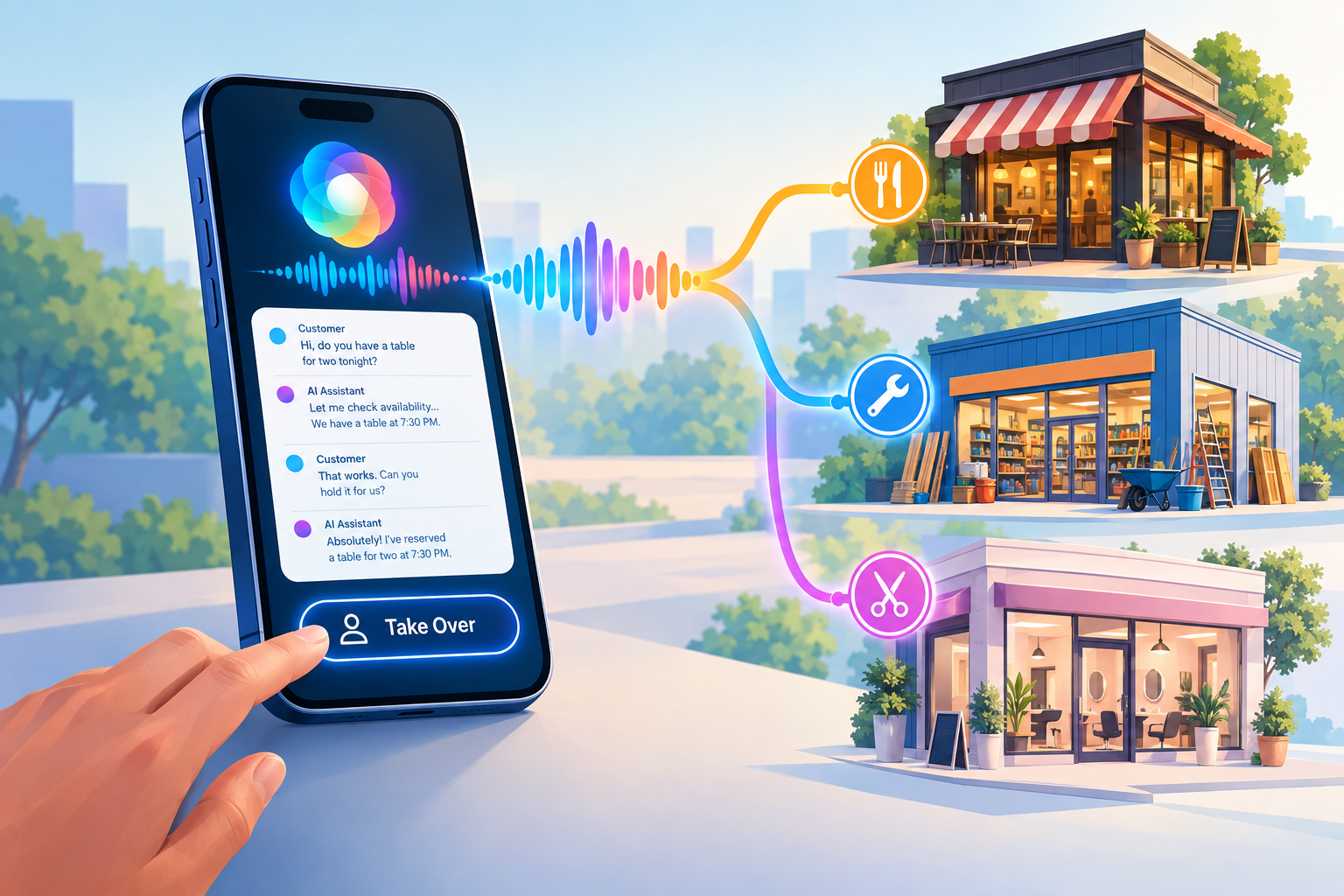
The feature goes beyond simply dialing a number. Gemini can introduce itself, work through an automated menu, wait on hold and talk with an employee to complete a defined task. Users can monitor the conversation and step in if the call becomes too complicated or personal.
What Gemini can call businesses about
Call for Me is designed for routine consumer requests rather than unrestricted conversations. Supported examples include checking store hours, asking whether an item is in stock, requesting a service quote and placing a product on hold.
Gemini can also book, confirm or change appointments and reservations. A user might ask it to reserve outdoor seating at a restaurant, reschedule a haircut or find out whether a local shop carries a particular replacement part.
The assistant can handle automated phone trees and remain on hold until someone answers. That combines tasks previously divided among Pixel tools such as Direct My Call and Hold for Me, but adds the crucial ability to conduct the conversation and pursue the requested outcome.
How users start and control a call
An eligible user opens the Gemini mobile app and describes the task in ordinary language. They can also add @Call for me to the prompt. Google recommends including specific dates, times, preferences and acceptable alternatives so the assistant knows what it can negotiate.
Before dialing, Gemini presents a summary showing the business, phone number, objective and information it plans to disclose. The user can revise those instructions or approve them by tapping the Call for me button.
The call is placed through the Pixel’s mobile network using the owner’s phone number, so normal carrier charges may apply. During the call, the user can read a live transcript or listen to the audio while their microphone remains muted. Tapping Take over brings the user into the conversation, after which Gemini announces the handoff and exits.
When the call ends, Gemini provides a results summary. The full transcript and locally recorded audio can also be reviewed through the Phone app’s call history.
What information is exchanged
Gemini begins each call by telling the recipient that it is a Google AI assistant calling on a recorded line for the named user. Depending on the task, it may share approved details such as the user’s name, email address, phone number, requested service, preferred schedule or reservation information.
Users must review that information before the call starts. Gemini is not permitted to relay highly sensitive data such as passwords, Social Security numbers, payment-card details, financial information or health information.
Who can use Call for Me
The initial preview is narrowly limited. Users must be at least 18, located in the United States and using a Pixel 11 device with a US SIM card. They also need a Google AI subscription, the public beta version of Phone by Google, the latest Gemini app and English as the device language.
The rollout is gradual, meaning some people who meet every requirement may not receive access immediately. Calls are currently restricted to US telephone numbers and subject to daily usage limits.
Gemini cannot call emergency services, make payments, complete financial transactions or conduct telemarketing. Businesses and other recipients can also opt out of receiving automated calls.
The privacy trade-off
Agentic calling requires more personal context than a conventional voice assistant command. Google says call transcripts are stored on its servers to create summaries and display calling activity, but the recordings and transcripts are not used to train its AI models. Audio is not stored on Google’s servers.
A local copy of the audio and transcript is saved in the Phone app. Calling activity can appear in the user’s Gemini activity, and users can delete the associated records from their account and device.
The disclosure, approval screen and takeover controls reduce the risk of Gemini impersonating a person or sharing information without permission. Even so, users must trust the assistant to represent their preferences accurately during an unpredictable human conversation.
From apps to agents
Call for Me illustrates a larger change in smartphone design. Traditional phones make users open separate apps, locate information and complete each step themselves. An agentic assistant instead accepts an outcome—such as moving an appointment—and chooses the tools and actions needed to achieve it.
That could make the phone less like a grid of software icons and more like a coordinator operating across digital services and real-world businesses. Google’s cautious Pixel 11 preview also highlights the challenge: the more an assistant can act independently, the more important consent, transparency, supervision and reliable limits become.