What Are Delhi’s Pink Electric Autos? How the 1,300-Vehicle Plan Could Connect Metro Riders
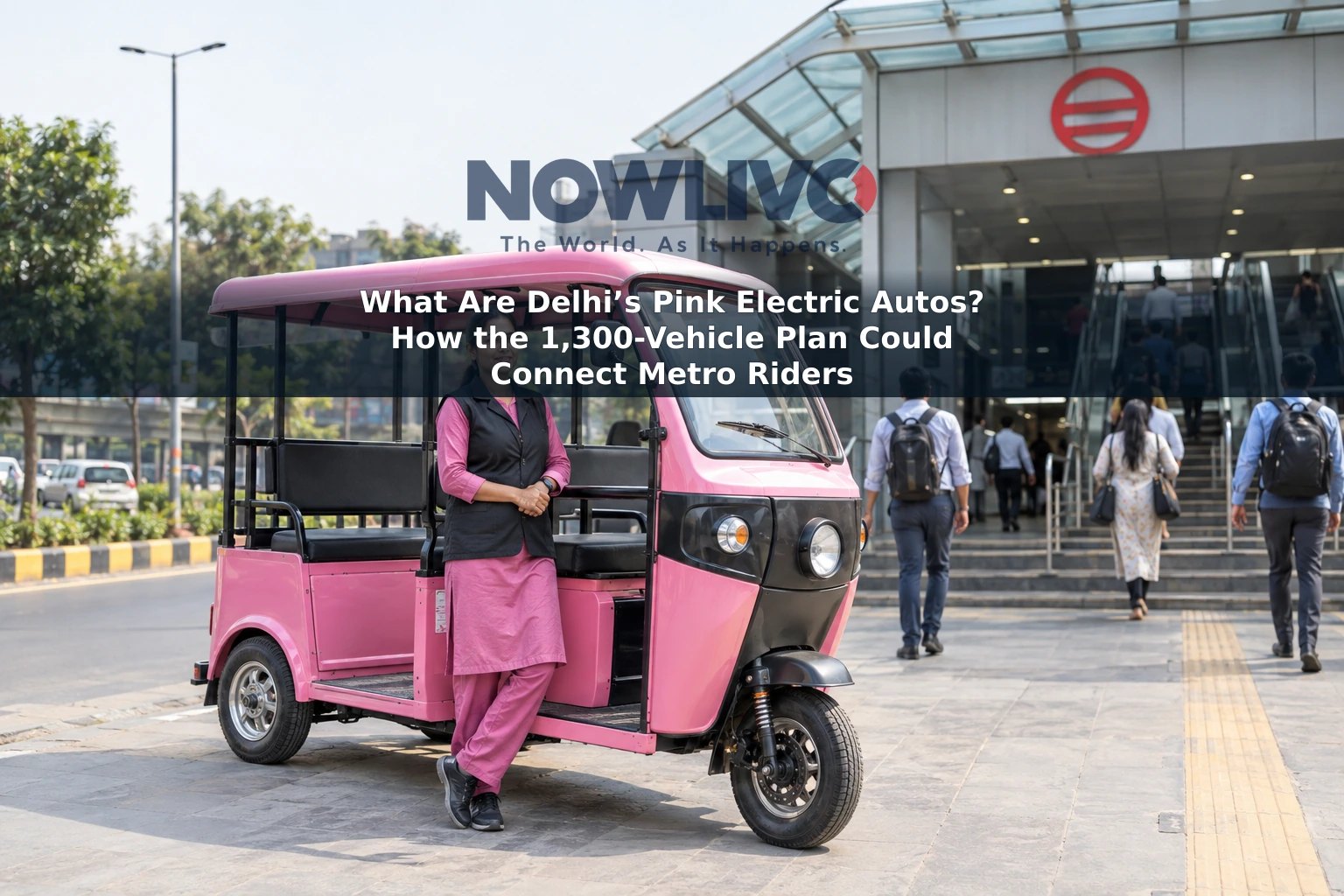
Delhi’s pink electric autos are a planned fleet of 1,300 battery-powered autorickshaws to be owned and driven by women and transgender people. The city wants them to improve the short journey between a Metro station and a passenger’s home or workplace, particularly for women travelling early in the morning or late in the evening. The plan has been approved, but it is not yet a service commuters can count on finding at a particular station.
The initiative is called the DURGA E-Auto Scheme. Delhi’s Cabinet approved it on September 23, 2026. On October 11, Transport Minister Pankaj Kumar Singh outlined plans for allocating the vehicles and connecting drivers with passengers.
Will pink autos run near Delhi Metro stations?
That is part of the plan. Delhi’s Transport Department has asked the Delhi Metro Rail Corporation for dedicated parking and charging space for the autos at Metro stations. It has made a similar request to the National Capital Region Transport Corporation for Namo Bharat stations.
For a Metro passenger, the intended benefit is straightforward: another option for getting from a station to a nearby destination, or reaching a station for the train journey. The government has highlighted trips at the beginning and end of the day, when finding a convenient last-mile ride can matter especially to women commuters.
These are proposed arrangements, not a published list of pink-auto stands. The government has not identified which Metro stations will get the vehicles, how many will serve each station or what hours they will operate. Charging space reported as available at some Metro stations should not be taken to mean that pink autos are already stationed there.
Who can drive Delhi’s pink autos?
The first phase reserves 1,170 vehicles for women and 130 for transgender applicants. Delhi plans to allot them across its 13 revenue districts, with a maximum of 90 places for women and 10 for transgender applicants in each district. Selected beneficiaries are intended to own and drive the autos as a source of income; the quotas describe drivers, not a limit on who may ride.
Applicants will use a dedicated digital portal, and district-level committees will check eligibility. If eligible applications exceed a district’s quota, the allotment will be decided by an online draw. The government says selected applicants will receive letters of intent. Reported eligibility conditions include Delhi residency, a voter identity card, a light motor vehicle driving licence and a public service vehicle badge; applicants should check the scheme’s final application instructions before applying.
Can passengers book a pink auto through an app?
Possibly, but app booking has not been confirmed. The government plans to ask ride-hailing platforms to waive onboarding and subscription charges for drivers in the scheme. If platforms agree to list the autos, passengers could be able to book one by phone rather than looking for it at a stand. No participating app or booking date has been announced.
Delhi has also not announced a passenger fare, a rollout date or a rule restricting rides to women or transgender passengers. For now, the clearest distinction is that the pink-auto plan reserves opportunities to own and drive the vehicles for women and transgender people, while aiming to make Metro connections more convenient for passengers—especially women making early or late trips.