Abhishek Sharma Smashes 35-Ball Century as India Clinch New Zealand T20 Series 3-0
India turned a demanding run chase into a statement of batting intent in Wellington on Tuesday, October 27, as Abhishek Sharma struck 113 from just 38 balls to power a six-wicket victory over New Zealand. His century came in 35 deliveries, and India reached a target of 198 in only 13.2 overs. The result sealed an unassailable 3-0 lead in the five-match Twenty20 International series, making the remaining two fixtures an opportunity for both sides to reassess combinations rather than decide the winner of the contest.
The numbers capture the scale of the innings, but not quite the pressure it placed on New Zealand. A target close to 200 usually asks a visiting side to keep scoring at a high rate throughout 20 overs. India instead moved so rapidly in the powerplay that the required rate was reduced before the hosts could establish a settled defensive plan. Abhishek did not simply finish a chase set up by others; he shaped the pace of it from the beginning and left little room for a late New Zealand comeback.
A record-setting powerplay changes the match
Abhishek and 15-year-old Vaibhav Sooryavanshi added 118 in the first six overs, according to Reuters, surpassing the previous record of 116 for the highest powerplay total in a men's T20 international. Their opening partnership reached 133 before Sooryavanshi was dismissed for 45. The contrast in their innings mattered: Sooryavanshi's aggressive support prevented bowlers from simply protecting one end, while Abhishek maintained the central attacking role. Together they forced New Zealand to search for answers during the phase when captains ordinarily expect field restrictions to create some risk for batters.
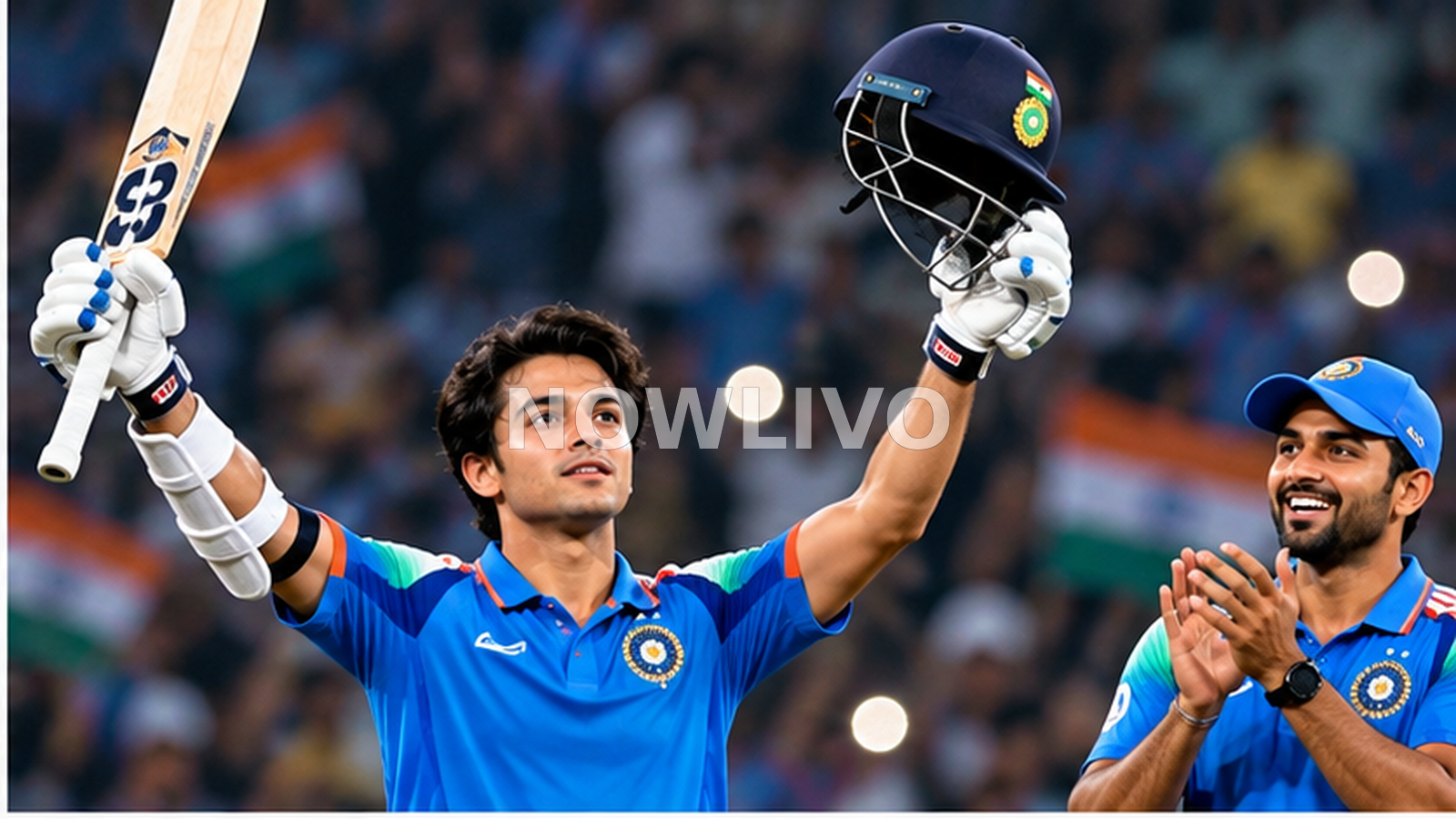
The 35-ball century was also an individual landmark in a format where a short burst can decide an entire contest. Abhishek eventually fell for 113 after facing only 38 deliveries. He had been dropped on 92, a moment that could have changed the scorecard without necessarily changing India's advantage. His celebration drew attention too: Reuters described a gesture inspired by footballer Erling Haaland. The gesture became an additional social-media talking point, but the innings itself is the more consequential sporting development.
New Zealand's total was substantial, not trivial
Daryl Mitchell had anchored New Zealand's innings with an unbeaten 89, helping the hosts reach 197. That contribution should not disappear behind the speed of India's reply. On many nights, a near-200 total gives the bowling side enough room to create pressure with a wicket or a quiet over. The problem for New Zealand was that India's opening batters never allowed those quieter periods to arrive. The hosts' attack was defending a respectable score, not trying to rescue an obviously inadequate batting performance.
New Zealand captain Mitchell Santner acknowledged the difficulty of containing India's aggressive approach. The defeat nevertheless offers his team practical information before the fourth and fifth matches: plans that work against a conventional chase can fail when both openers attack the same phases. The response may involve changing field placements earlier, varying lengths more decisively or selecting bowlers for different match-ups. Those are tactical questions rather than evidence that a single loss defines the entire side.
Why this is a new story after the injury bulletin
The previous news cycle centered on Ishan Kishan being unavailable for the third T20I because of a right adductor strain. That was a pre-match selection and fitness update. Tuesday's match produced a completely different and more consequential search intent: the final result, Abhishek's century, the powerplay record and India's confirmed series victory. Readers looking for the score and what it means now need an account of the completed contest, not another version of the injury report.
The innings also illustrates the depth of India's attacking options. With Kishan missing as a precaution, the top order still delivered a decisive start. It would be premature to treat one performance as proof that every selection question has been answered, but the result strengthens the argument that India's current batting approach can survive changes in personnel. Sooryavanshi's 45 will attract particular attention because of his age, though the team should be assessed by performance and match context rather than hype around a teenager.
What comes next for the series
The teams are scheduled to meet again in Auckland on Friday. With India already 3-0 ahead, the remaining games may provide opportunities to examine bench strength, bowling combinations and the balance between attacking freedom and consistency. New Zealand, meanwhile, can still use the series to test how quickly it can adapt to an opponent willing to pursue nearly ten runs an over from the first ball.
For Indian supporters, the headline is straightforward: a series win was secured with two matches to spare, and Abhishek produced an innings that will be remembered for both speed and scale. For New Zealand, the scoreline is a reminder that a strong first innings does not guarantee control in modern T20 cricket. The most useful measure of the performance is not the celebration or the viral clips, but the completed scorecard and the extraordinary acceleration that turned a potentially close chase into a comfortable victory.