Ashwini Vaishnaw Invites Editors to Discuss Privacy Law After Publishers’ Supreme Court Challenge
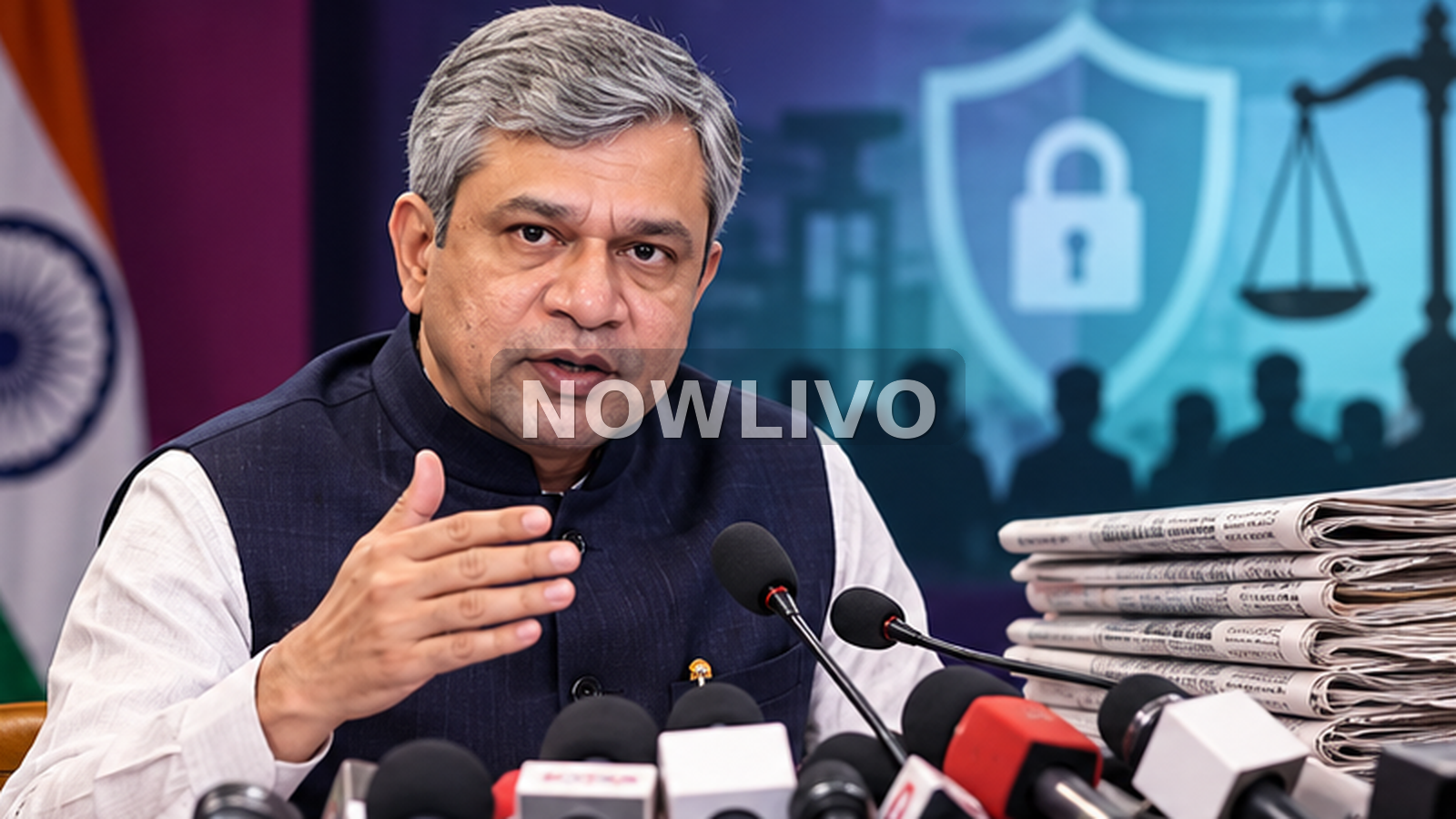
India’s IT minister Ashwini Vaishnaw said on Wednesday, October 28, that the government was prepared to hear news publishers’ concerns about the country’s digital privacy law, offering the first public government response after a group of major media companies challenged the legislation in the Supreme Court. His invitation to editors is a material development in a dispute that had previously been framed mainly through the publishers’ legal objections. It does not settle the case or amount to a promise that the law will be changed.
Reuters reported that 21 publishers, including Network18 and NDTV, have argued that the law could interfere with investigative journalism, expose confidential sources and impose consent requirements that are difficult to reconcile with reporting about people in the public interest. The companies have asked the Supreme Court to examine the law’s impact on press freedom. Their concerns are legal claims awaiting judicial consideration, not findings that the legislation is unconstitutional.
The minister’s response changes the conversation
Vaishnaw said journalistic freedom is protected by India’s Constitution and that the government does not intend to undermine it. He invited editors to submit suggestions and indicated that the administration was open to acting if doubts about the law could be addressed. Reuters attributed his remarks to reporting by Moneycontrol. The distinction matters: an invitation to discuss a disputed measure may open a policy channel, but it does not by itself suspend compliance duties or withdraw the Supreme Court case.
The government’s original objective was to strengthen protections for personal data in an economy where digital platforms process enormous amounts of information. Technology companies and other organisations face rules about collecting and handling data. Publishers argue that applying comparable consent expectations to journalism can create special difficulties, because reporting often involves allegations, scrutiny of powerful figures or information that subjects would prefer not to make public.
Why publishers say journalism needs different treatment
Investigative reporting may depend on confidential conversations, leaked records, public documents and accounts from people who fear retaliation. If a reporter must obtain permission from everyone discussed in a story, a subject of scrutiny might be able to obstruct publication simply by withholding consent. Publishers also worry that data-related requests could reveal information about sources or research methods. Those are the risks they have raised in court; the precise reach of the law and any relevant exceptions remain matters for legal interpretation.
Privacy advocates, meanwhile, have a legitimate interest in how organisations handle sensitive personal information. A newsroom can publish material in the public interest while still having obligations to secure its databases, minimise unnecessary exposure and correct harmful errors. The policy challenge is to distinguish responsible data protection from rules that would make independent scrutiny impossible. The two interests need not be treated as if one automatically cancels the other.
The court timetable remains important
The Supreme Court has asked the government to respond to the publishers’ challenge before November 17, Reuters reported. That deadline gives the administration an opportunity to explain how it believes the legislation should operate and to address the objections in formal proceedings. Editors’ discussions with the ministry may run alongside the litigation, but the public record does not yet establish that any agreement has been reached or that a new exemption will be announced.
The case has attracted attention beyond the media industry because the underlying question affects how India balances the right to privacy with the right to gather and publish information. A legal interpretation that is too broad could have consequences for routine reporting, including business investigations and coverage of official decisions. An interpretation that is too narrow could leave people without meaningful safeguards against misuse of personal data. Courts and policymakers will have to consider both dimensions.
What to watch in the next stage
The most important development will be the government’s written position and any concrete proposal that follows the minister’s invitation. Editors may seek a specific journalistic exemption, a narrower definition of consent obligations or protections for confidential sources. The government may argue that the law already contains sufficient safeguards. At present, none of those possible outcomes should be presented as an agreed solution.
Readers should also distinguish between a political assurance and a binding legal rule. A minister’s statement about intent can clarify the administration’s position, but courts decide the meaning and constitutionality of challenged provisions. A statutory amendment or formal regulation would be a different kind of development from an interview or public invitation.
For NOWLIVO readers, the October 28 news is therefore not merely a repetition of the original lawsuit. It is the government’s first reported response, with Vaishnaw offering dialogue while the Supreme Court process continues. The case remains open, the publishers’ objections remain contested, and the November response deadline is the next clear point at which the public may learn how the government intends to defend or adjust the measure. Until a formal response is filed, publishers and readers should distinguish the minister’s willingness to consult from an actual exemption, revised rule or judicial order. Those changes would require separate confirmation.
Reporting sources
Reporting consulted: www.reuters.com.