Six Killed in Badrinath–Dehradun Helicopter Crash Near Joshimath; Operator Fleet Grounded
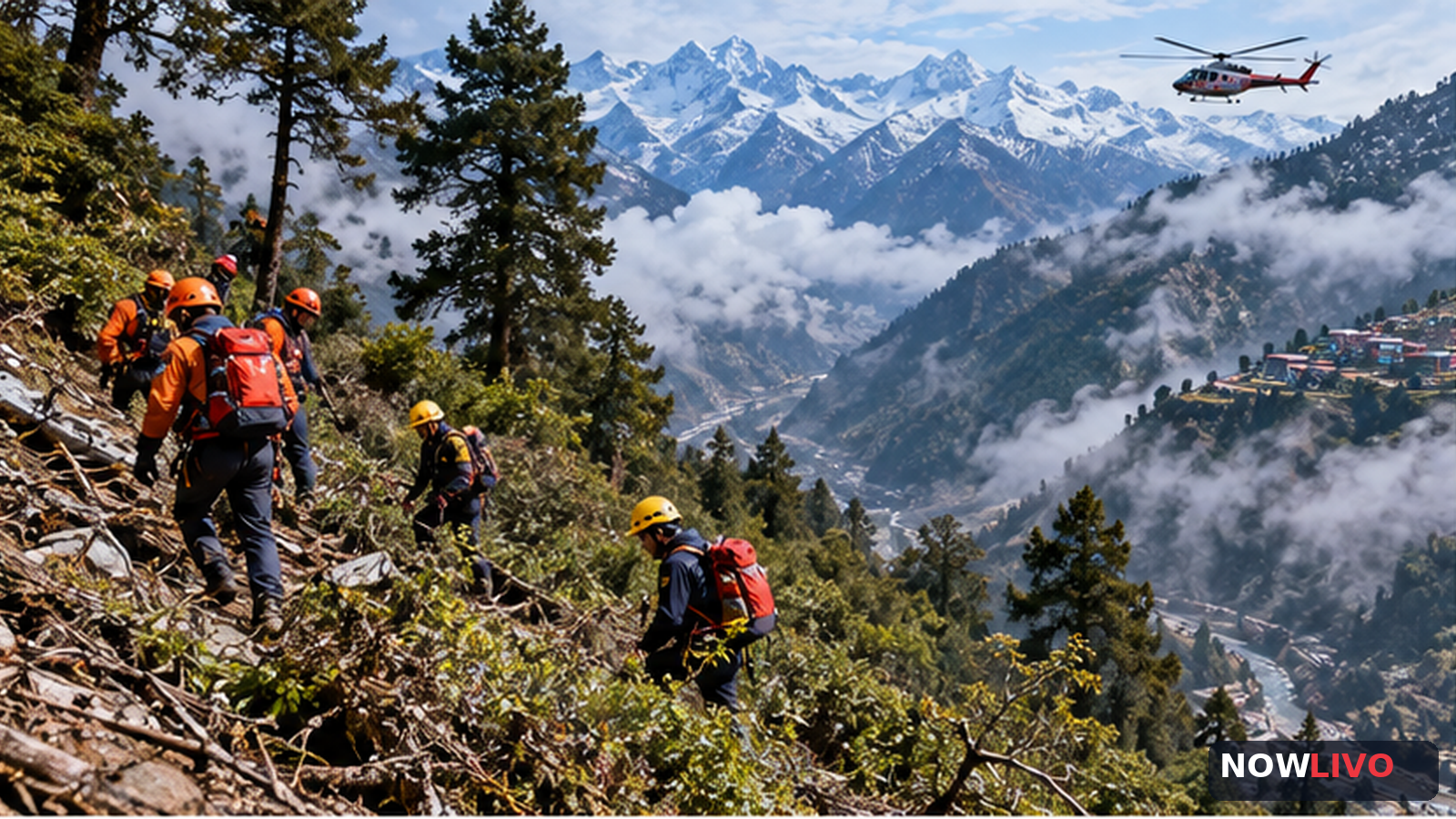
A helicopter carrying five passengers and a pilot crashed in Uttarakhand's Chamoli district on Friday, October 30, killing all six people on board. The aircraft was returning from Badrinath towards Dehradun when contact was lost over the Joshimath valley. Authorities later located the wreckage near Chhai village, and Chamoli police confirmed that the bodies had been recovered. The tragedy turned an initially uncertain missing-aircraft alert into a confirmed fatal crash, prompting questions about flying conditions, mountain routes and the safety procedures governing pilgrim helicopter services.
The helicopter was operated by Trans Bharat Aviation Pvt. Ltd. and was heading for Sahastradhara heliport in Dehradun. The Uttarakhand Civil Aviation Development Authority said communication with the aircraft was lost while it was crossing the valley, followed by the loss of its tracking signal. An Army alert about a possible crash near Hathi Parvat helped focus the response. Search teams from the district administration, State Disaster Response Force and other agencies were sent into difficult terrain. The operator's entire fleet was grounded as a precaution, according to the aviation authority.
How the search unfolded
Initial reports on Friday afternoon said the helicopter was missing and that the condition of those aboard was unknown. That distinction matters: an aircraft disappearing from tracking is not, by itself, confirmation of a fatal accident. As officials and rescuers moved towards the suspected location, Chief Minister Pushkar Singh Dhami said he was monitoring the operation and had directed agencies to arrange medical evacuation if required. Later, Chamoli Superintendent of Police Surjit Singh Panwar confirmed the deaths. The transition from search to recovery was the day's most consequential new development.
The helicopter was carrying five pilgrims from Karnataka and its pilot. Local reporting identified the passengers and captain, but the immediate public-interest issue is the verified casualty total and the response, rather than circulating unconfirmed personal accounts. Authorities have not publicly established a final cause of the accident. Weather and difficult terrain were repeatedly mentioned in early coverage, including reports of snowfall, but neither should be presented as a completed investigation or as proof that a specific decision by the crew caused the crash.
Mountain flying and the questions investigators face
A journey between Badrinath and Dehradun crosses terrain where conditions can change quickly. Visibility, cloud, wind, available landing sites and communication coverage all matter to helicopter operations in the mountains. The reported loss of radio and tracking contact provides investigators with a timeline to examine, but it does not explain why the aircraft came down. The authorities will need to examine operational records, weather information, maintenance and other evidence before drawing conclusions. Any early description of the incident as a weather-caused crash remains provisional unless investigators formally support it.
The grounding of Trans Bharat Aviation's fleet is also significant. A precautionary grounding restricts operations while safety questions are assessed; it is not automatically a finding of negligence. For pilgrims and tour operators, however, the practical effect is immediate. Bookings, onward travel and the availability of alternative helicopter services may be affected, and travellers should seek updates from the operator or relevant authorities rather than relying on old schedules. There was no verified announcement in the cited reports of a blanket shutdown of all helicopter travel in Uttarakhand.
What is confirmed, and what is not
As of the October 30 evening reporting, the confirmed facts are the crash near Joshimath, the six fatalities, recovery of the bodies, the Badrinath-to-Dehradun route and the operator-specific precautionary grounding. Reports gave differing take-off times, so a precise minute-by-minute flight chronology should not be treated as settled. Investigators may later reconcile flight logs, radio records and statements. A final accident report, a determination of mechanical failure or a conclusion about pilot conduct had not been established in the material available for this update.
The disaster has particular resonance because Badrinath is a major pilgrimage destination and air travel is often chosen to shorten journeys through the Himalayas. Helicopters can connect difficult routes, but their convenience depends on disciplined weather decisions and reliable operating procedures. That context makes the coming official findings important well beyond the immediate operator. For now, the priority is accurate information for affected families, a careful examination of the flight and clear public communication about any safety restrictions still in force.
This report reflects the confirmed position on Friday evening, not a prediction about the investigation. Further updates may establish the aircraft's precise flight path, the sequence of communications and the regulator's next action. Readers should distinguish those future findings from the information already verified. The most important development today is that the search ended with confirmation of six deaths and that the aviation authority took a precautionary operational step while the circumstances are examined. Families and travellers should seek any compensation or rebooking information through official channels, because neither the cause of the crash nor the terms of individual bookings can be inferred from early news reports.