NHRC Orders Punjab Pilgrimage-Bus Inspections as AAP Calls Inquiry Selective
A safety order becomes a political dispute
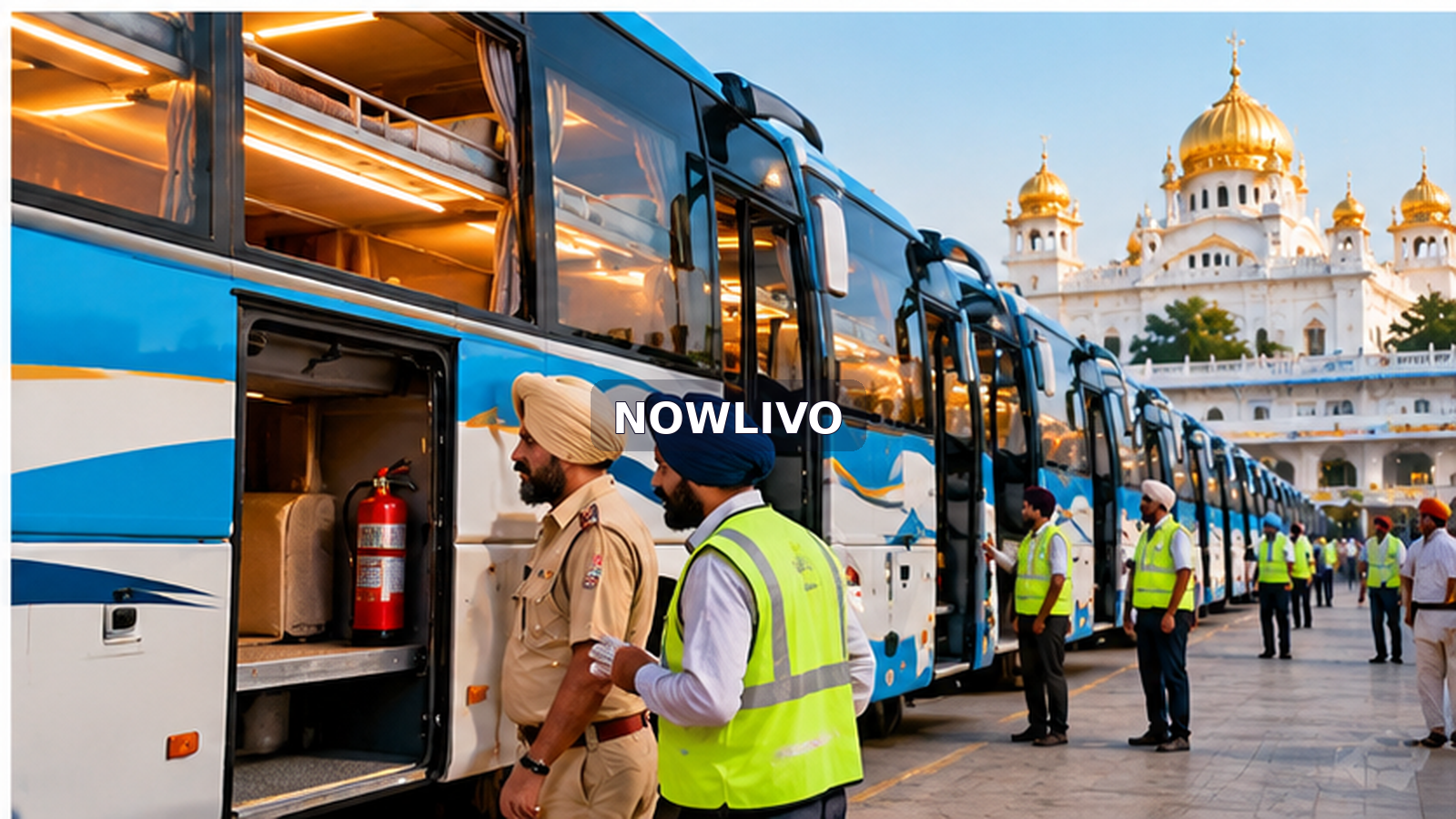
The National Human Rights Commission has instructed Punjab’s chief secretary to ensure inspection of buses used for the state’s Mukh Mantri Tirath Yatra pilgrimage scheme and submit a report within seven days. The order followed a complaint alleging safety problems in air-conditioned sleeper coaches. Aam Aadmi Party leaders responded by accusing the commission of singling out a popular government programme. The result is a dispute with two separate questions: whether particular buses meet safety requirements and whether the commission is applying its scrutiny consistently.
What the complaint alleges
According to The Indian Express, the complaint raised concerns about alleged unauthorised structural changes, partitions separating drivers from passengers, obstructed emergency exits and insufficient fire-safety arrangements. These are allegations to be tested through inspection, not established findings against every vehicle. Their potential significance is clear: a coach’s design can determine how quickly passengers and crew detect smoke, communicate and leave in an emergency. A vehicle can look comfortable while still failing important safety requirements, which is why the NHRC wants the actual buses examined.
The registration question
NHRC member Priyank Kanoongo also asked how sleeper buses were operating in Punjab when, he said, the state transport department had informed the commission in January that no sleeper-coach buses were registered there. That apparent contradiction is one of the matters requiring clarification. It does not by itself prove that any operator broke the law; registration categories, vehicle types and permit records must be checked. The commission’s seven-day deadline is meant to bring documentary and physical evidence into the dispute rather than leave it at the level of rival political claims.
Kejriwal’s criticism
AAP national convenor Arvind Kejriwal questioned why the NHRC was examining buses used to take Punjab residents on pilgrimages and asked whether it had subjected roadways services in other states to similar checks. His criticism framed the inquiry as an unfair attack on a state welfare scheme. AAP leader Manish Sisodia also accused the body of selective intervention. Those arguments concern the commission’s priorities and political neutrality. They do not answer whether the coaches have functioning exits, compliant interiors and adequate fire precautions.
The commission’s response
Kanoongo said the NHRC had investigated sleeper-coach fires and related risks across the country, rather than focusing only on Punjab. He referred to information from the Central Institute of Road Transport about dangers associated with partitions between drivers and passengers. He also said around 1,000 buses nationally had been removed from operation or restricted following interventions. These are statements attributed to the commission member; a full independent count was not available in the reporting reviewed. The immediate practical test remains the Punjab inspection.
Why pilgrims are affected
The Mukh Mantri Tirath Yatra programme provides free travel for eligible older residents to religious destinations including Amritsar, Anandpur Sahib, Haridwar-Rishikesh and Mathura-Vrindavan. AAP has said roughly seven lakh people had benefited by October 14. A programme serving large numbers of older travellers has an especially strong reason to ensure that emergency exits and onboard arrangements are safe. Any restriction on non-compliant buses could affect scheduled trips, but there has been no verified blanket suspension of the entire scheme in the sources examined.
What the inspection can establish
Inspectors can compare vehicles with registration and permit records, examine emergency exits and fire equipment, and document whether any partitions or alterations violate applicable standards. Their report should distinguish defects found in specific vehicles from allegations made about the fleet as a whole. That distinction protects both passenger safety and the reputation of operators who comply. If deficiencies are confirmed, corrective orders and follow-up inspections would be more informative than trading accusations about political motives.
Why the inspection timeline matters
A seven-day reporting deadline can produce immediate operational decisions if inspectors discover vehicles that need repairs or restrictions. It can also reveal that some concerns were overstated or that records require correction. The public interest lies in a transparent inventory of which buses were examined, what standards were applied and whether any safety defect was found. This is particularly relevant to overnight or long-distance journeys, where passengers may be asleep and depend on the driver and emergency systems to identify danger quickly. Political arguments about selectivity may continue, but they should not prevent the state from documenting compliance or the commission from explaining its methods. The report will be more valuable if it distinguishes fleet-wide policy questions from defects on individual coaches.
The seven-day deadline
The next material development is the report requested from Punjab’s chief secretary. It could clarify how many buses were inspected, whether any were removed from service and whether the NHRC’s concerns were supported. Until then, the safest account is that the commission has ordered checks, the AAP has challenged its motives, and the underlying bus-safety allegations remain to be tested. The debate is politically heated, but the inspection findings should determine what happens to the vehicles.