
Nirmala Sitharaman Calls for Tata Sons Dispute to Be Settled Within Group as Listing Rift Persists
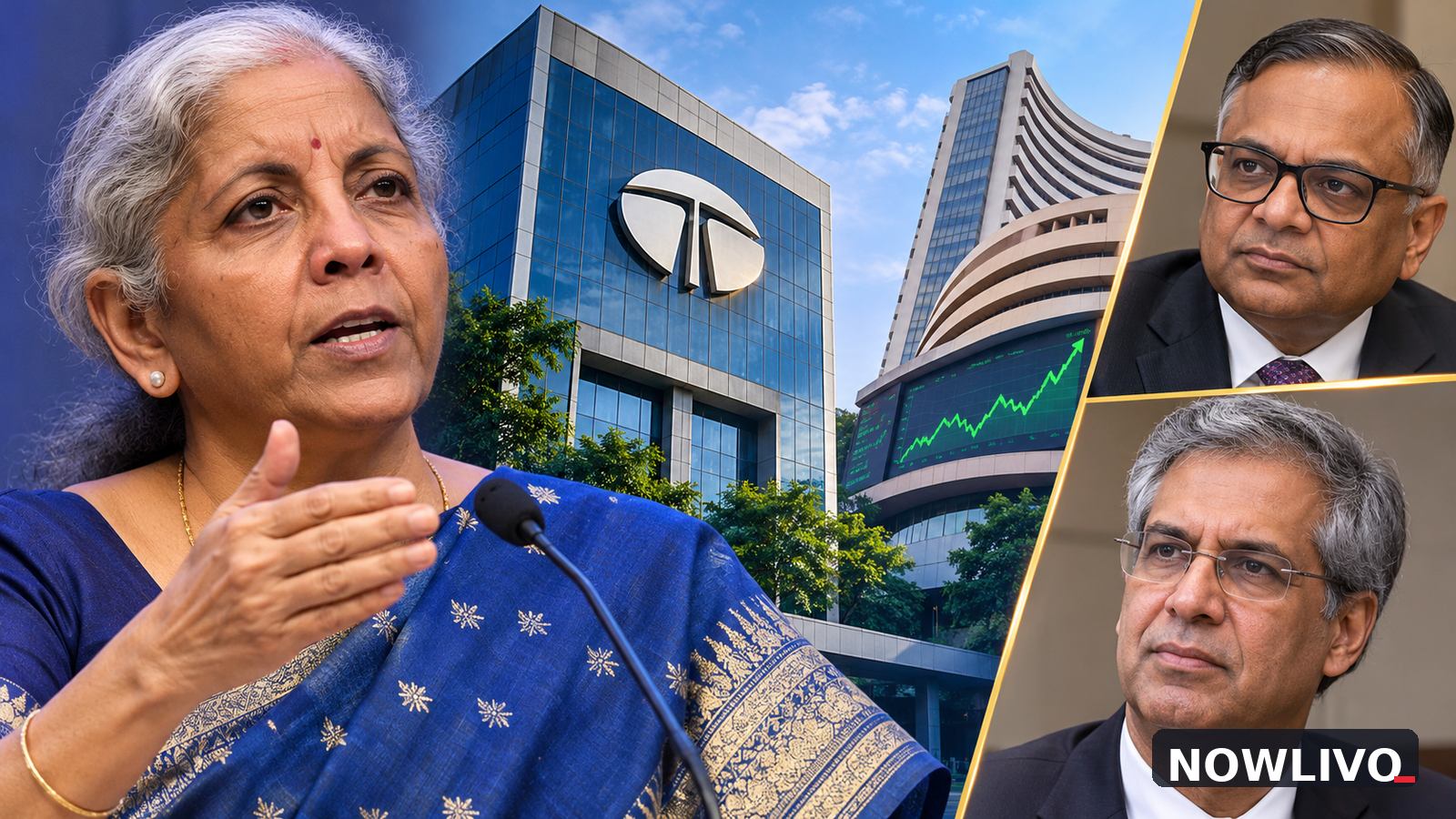
India's Finance Minister Nirmala Sitharaman said on Monday, November 2, that she expected the differences between Tata Sons and its controlling shareholder, Tata Trusts, to be resolved amicably and soon within the group. Her public comments brought fresh attention to a dispute over leadership, the future ownership structure of the holding company and whether Tata Sons should list on the stock market. The intervention matters because the Tata Group is one of India's most recognisable business institutions and the disagreement has implications beyond a routine boardroom contest.
Speaking at an event in Mumbai, Sitharaman, who also holds the corporate affairs portfolio, described the Tata Group as important to the Indian economy and said the issues should be settled internally. Reuters reported that she did not announce a government-imposed solution or a new regulatory decision. Her remarks were an expectation and an appeal, not a declaration that the dispute had ended.
What is at the centre of the disagreement
Tata Sons is the principal holding company for the sprawling Tata Group, whose businesses span technology services, automobiles, aviation, consumer products and other industries. Tata Trusts, led by Noel Tata, owns about 66 per cent of Tata Sons and therefore holds a decisive ownership position. The relationship between the holding company's board and its largest shareholder is crucial to governance across the group.
Reuters reported that divisions have included the reappointment of Tata Sons chairman N. Chandrasekaran, whether the holding company should go public, Air India's financial losses and the planned exit of minority shareholder Shapoorji Pallonji Group. These are related but not identical questions. A disagreement over a chairman's continuation is a governance issue; the question of a public listing brings regulatory and shareholder considerations; and the finances of an operating airline are a business-performance matter.
Why a listing has become contentious
Tata Sons' board has favoured listing as a way to comply with Reserve Bank of India rules, according to the Reuters report. Tata Trusts has opposed that path and sought alternatives. A listing could change the holding company's public disclosure obligations, investor base and relationship with minority shareholders. Avoiding a listing may preserve a different governance structure, but the regulatory framework still has to be addressed.
Pressure increased after the central bank rejected Tata Sons' application to deregister as a non-banking financial company, Reuters reported. That decision moved the group closer to having to confront the listing question. It did not, by itself, mean that an initial public offering had been scheduled or that a share price had been fixed. No public issue can be treated as confirmed without the required filings and decisions.
The chairman and the trusts
The disagreement over Chandrasekaran's reappointment has become a visible part of the broader tension. He has overseen the holding company during a period of significant changes across the group's businesses. Tata Trusts, meanwhile, is a controlling shareholder with its own governance priorities. A clash between these institutions is consequential precisely because they are expected to provide long-term stability to the group.
Public reporting on the differences should not be read as proof of misconduct by either side. The existence of competing views on leadership, financing and regulatory strategy is a governance dispute, not a criminal allegation. Sitharaman's call for an amicable outcome reflected concern about how prolonged uncertainty could affect a major Indian conglomerate.
Air India and the minority shareholder question
Air India's mounting losses were among the matters Reuters identified as contributing to the disagreements. The airline is a high-profile business in the Tata portfolio, and its turnaround has required substantial investment and operational changes. Decisions about how much capital to allocate to such businesses can affect the priorities of both management and shareholders.
The planned exit by Shapoorji Pallonji Group adds another layer. A minority shareholder seeking liquidity can have interests that differ from those of the controlling trusts, especially when the holding company is not publicly traded. The possible routes to an exit and the question of whether a listing is appropriate are therefore linked, even though they should not be presented as the same transaction.
What the minister's remarks change
Monday's comments do not settle the internal arguments, but they raise the public stakes. A senior minister has now explicitly urged the parties to restore normalcy without allowing the conflict to become a continuing public spectacle. That is a new development from the earlier sequence of board and shareholder disagreements.
Investors, employees and business partners will be watching for a board-level resolution, a regulatory clarification or an agreed approach to the listing question. None of those outcomes was confirmed in the minister's remarks. For now, the verified news is the government's public appeal for an internal settlement and the continued existence of several unresolved questions at the heart of the Tata Group.