Delhi-NCR Moves to GRAP Stage II as Air Quality Index Reaches 324
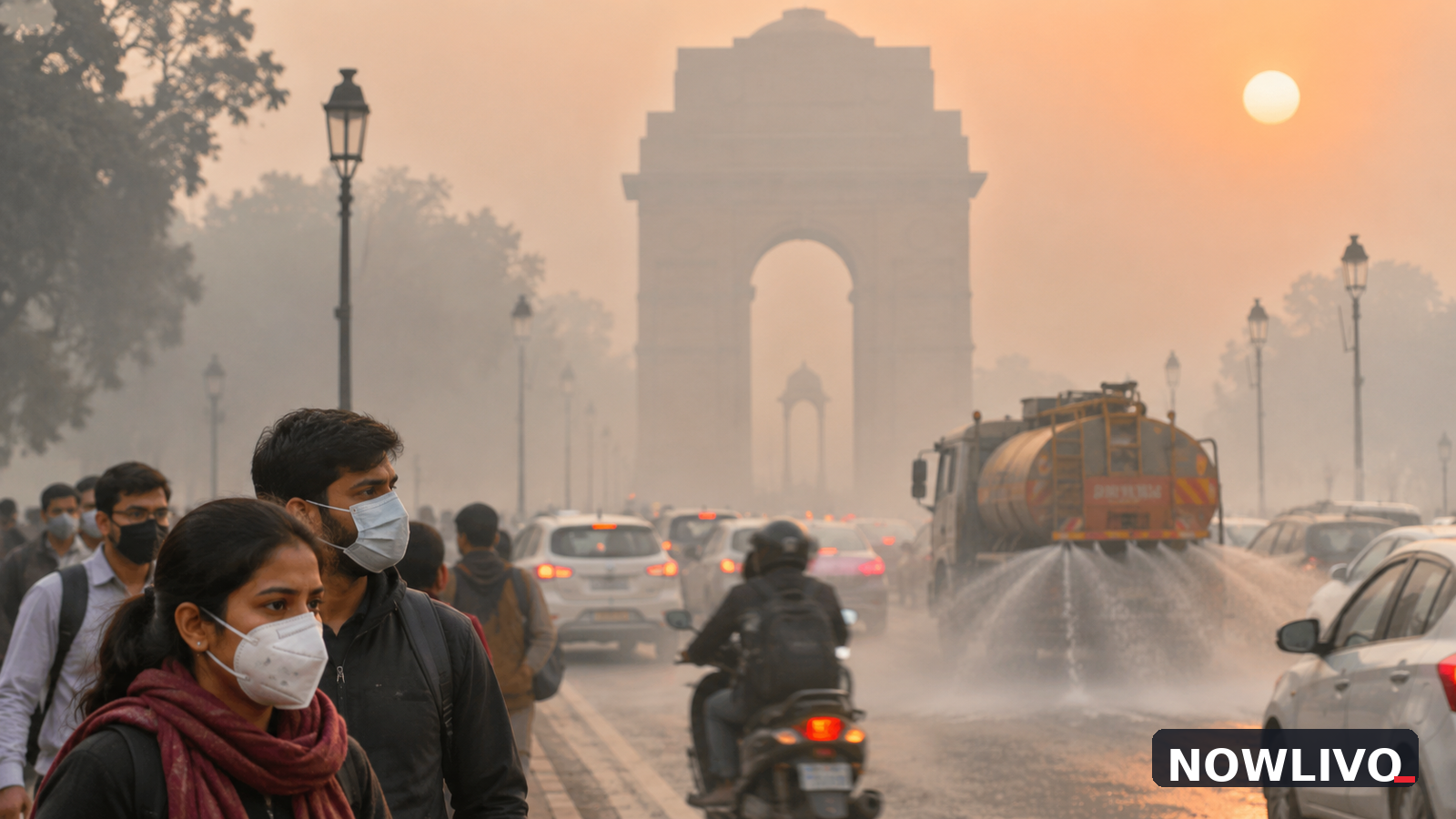
Delhi-NCR entered a tougher phase of its winter air-pollution response on Monday, November 2, after the Commission for Air Quality Management invoked Stage II of the Graded Response Action Plan with immediate effect. The decision followed a sharp deterioration in Delhi's Air Quality Index, which reached 324 at 4 pm and moved into the very-poor category. The change matters for residents across the National Capital Region because Stage II is not simply a warning about bad air: it directs local agencies to intensify road cleaning, dust suppression, vehicle checks and enforcement against open burning.
The commission's November 2 order came after its sub-committee reviewed both measured pollution and forecasts from the India Meteorological Department and the Indian Institute of Tropical Meteorology. Officials said weather conditions were unlikely to provide quick relief. Delhi's AQI had been 117 on October 31, climbed to 261 on November 1 and then reached 324 on Monday, an unusually steep swing over three days. Those readings explain why the authorities moved beyond the Stage I response already in force.
What changes under the new order
Stage II calls for more frequent mechanical sweeping of roads, water sprinkling and the use of anti-smog guns at pollution-prone locations. Municipal and other enforcement teams have also been directed to tighten the collection and disposal of garbage and construction debris. Open burning of waste remains a target for enforcement because smoke from such activity can worsen local exposure even when regional weather is the main reason pollution builds up.
Traffic management is another part of the order. Police are expected to concentrate on congestion points where vehicles spend long periods idling, while officials step up checks on pollution-under-control certificates and visibly polluting vehicles. Residents should not read the Stage II announcement as an automatic citywide shutdown of private cars or schools. The measures reported on Monday focus on stronger pollution control and enforcement, and any additional restrictions require their own official notification.
A separate vehicle-entry restriction was already in place
The new order follows an earlier Delhi winter measure that took effect on November 1. Under that arrangement, petrol and diesel vehicles registered outside Delhi and not meeting BS-VI emissions standards are barred from entering the capital, according to the reporting available on Monday. Electric and CNG vehicles and BS-VI-compliant vehicles were described as exempt from that particular entry restriction. This is a separate rule from the broader GRAP Stage II response, although both are aimed at reducing emissions.
The distinction is important for people who cross borders between Delhi, Gurugram, Noida, Ghaziabad and Faridabad. A traveller may encounter entry checks under the vehicle rule while the rest of the region experiences Stage II road-dust and traffic measures. A headline saying that GRAP II has started does not by itself explain which vehicles are barred, where enforcement happens or whether a local authority has issued further instructions.
Why the air deteriorated so quickly
The commission pointed to unfavourable meteorological conditions. In winter, weaker winds and a shallow mixing layer can prevent pollutants from dispersing, allowing emissions from traffic, dust and other sources to accumulate near the ground. That does not establish a single cause for Monday's reading. Rather, the combination of local emissions and poor dispersion can produce a rapid deterioration even when the previous weekend appeared relatively clear.
The timing also raises concern ahead of Diwali, when pollution and firecracker restrictions are already receiving close attention. On the same day, the Supreme Court's limited permission for certified green firecrackers on November 7 and 8 became public. Those directions concern specific dates and time windows, while GRAP Stage II concerns day-to-day air quality and enforcement. Residents should treat them as different rules, not assume that permission for one activity cancels the pollution-control order.
What residents and businesses should watch
For residents, the most immediate practical effects may be more checks on vehicle emissions, greater traffic management and municipal action around dust-generating sites. For contractors, construction-waste handling and dust control deserve particular attention. Employers whose staff commute across NCR borders should monitor local transport and entry notices rather than rely on an informal social-media summary.
People with respiratory symptoms or existing breathing difficulties may wish to reduce prolonged outdoor exertion during severe pollution, but the official AQI and personal medical advice are more useful than a blanket claim that everyone faces the same risk. Air quality can vary considerably within the region and through the day. The official monitoring readings and future CAQM orders will determine whether Stage II remains sufficient or more stringent action becomes necessary.
Monday's announcement is a concrete escalation, not a prediction of a future ban. With Delhi's AQI at 324 and forecasts offering little immediate relief, the immediate story is whether agencies can implement the measures quickly enough to limit exposure before the next pollution spike.