Thousands Rally in Delhi as INDIA Bloc Demands Election Chief Gyanesh Kumar Resign
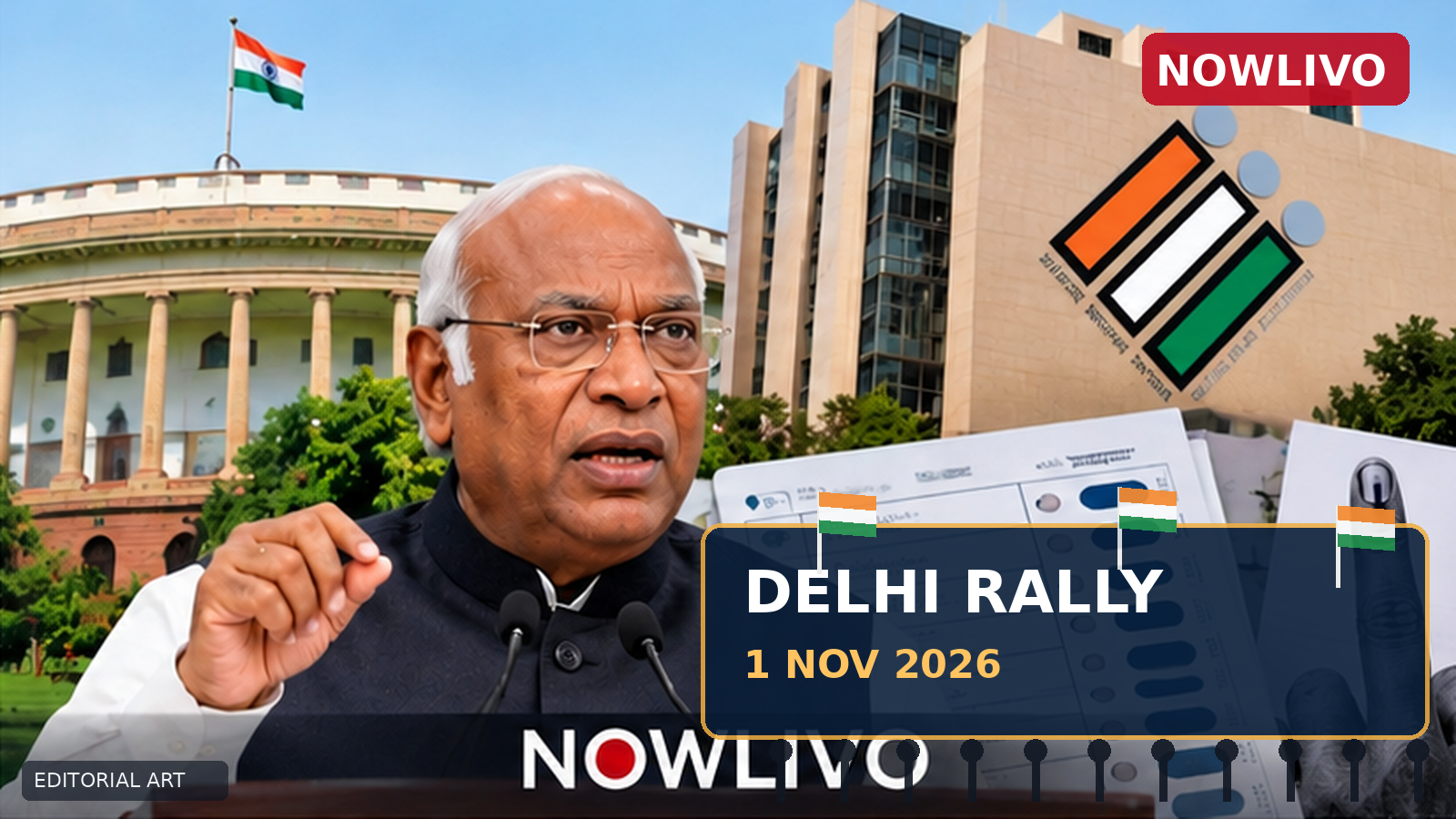
Thousands of people gathered in New Delhi on Sunday, November 1, for an opposition-led protest demanding the resignation of Chief Election Commissioner Gyanesh Kumar over changes to electoral rolls. The demonstration, associated with the INDIA bloc and Congress leader Rahul Gandhi, brought a dispute that had been unfolding through political statements and legal arguments into a large public rally. Police deployed personnel around the gathering, while supporters arrived with demands for greater transparency in the revision of voter lists.
The day's central development was the turnout and the public mobilisation. On October 31, opposition leaders had presented a symbolic resolution listing allegations against the election chief. Sunday's rally was not simply another description of that document: it was a new political event involving thousands of demonstrators and a direct call for the official to step down. The distinction is important when assessing whether an ongoing controversy warrants another article.
A dispute over voter lists moves onto the streets
Opposition parties say the revision of electoral rolls risks excluding legitimate voters and giving an advantage to the ruling Bharatiya Janata Party. They have questioned the process, the scale of removals and the safeguards available to people who discover that their names are missing. The Election Commission and the ruling party have rejected accusations of partisan manipulation. Those competing positions should not be collapsed into an established finding of wrongdoing.
Voter-roll revision is a routine administrative necessity in a large democracy, but the way it is conducted can become highly contentious. Officials must remove ineligible or duplicate entries while preserving the rights of eligible voters. The political disagreement centres on whether that balance is being maintained, how decisions are documented and whether affected people have a meaningful opportunity to challenge an error.
Rahul Gandhi and opposition allies lead the mobilisation
Rahul Gandhi called on supporters to join a march from Connaught Place or assemble at Ramlila Maidan, according to reports published on Sunday. The event drew people from different political and social backgrounds, including those concerned about electoral administration and others bringing wider grievances. Images and reporting showed opposition leaders and supporters participating in the demonstration as police managed crowds and movement around the venue.
A large rally can demonstrate the strength of feeling among participants, but it does not establish the truth of every allegation made from the stage. Crowd estimates can vary, and the number of people attending does not independently prove that voter lists were altered improperly. What the gathering does establish is that the issue has become a major political mobilisation rather than a dispute confined to party offices and court filings.
The election chief remains at the centre
Gyanesh Kumar's role has made him a focal point for opposition criticism. Protesters demanded his resignation and challenged the Election Commission's handling of revisions. The government and ruling party have defended the process, while the commission has denied bias. At the time of the reporting reviewed for this article, the demonstration had not produced a confirmed resignation or a court judgment establishing the accusations.
That difference between demand and outcome is essential. A protest may seek an official's removal, but the act of protesting does not itself change the official's legal position. Similarly, an opposition resolution described as 'impeachment' in political messaging should not be mistaken for a completed constitutional removal process. Readers should follow any formal parliamentary or judicial action separately from the rhetoric surrounding it.
Why the dispute matters beyond Delhi
Electoral rolls determine who can vote, where they vote and whether a person's registration is current. An error can affect an individual long before it becomes a national controversy. That is why the dispute is likely to resonate in states preparing for elections and in communities concerned about documentation requirements. A credible review process must be understandable to ordinary voters, not only to political lawyers and election officials.
For citizens, the immediate practical step is to verify registration through official Election Commission channels and use the prescribed correction or appeal procedures if an entry appears inaccurate. Those procedures are separate from deciding whether a party's broader political allegations are correct. They matter regardless of which side a voter supports.
The next test is whether institutions respond
Sunday's rally increases political pressure, but the dispute will ultimately be shaped by actions that can be checked: a written Election Commission response, changes to roll-verification procedures, court filings or orders, and formal parliamentary steps. Each would be a separate news development. By contrast, repeating the same accusations in another speech without new evidence would not necessarily change the underlying story. Voters are entitled to understand both the substance of the allegations and the institutional response, especially where claims concern access to the franchise. Reporting the positions of the parties accurately is not the same as deciding the case for them.
Sunday's Ramlila Maidan rally marks a new stage in the conflict over voter-list revision. The opposition has demonstrated its ability to bring supporters onto the streets, while the accusations remain disputed and require evidence and due process to resolve. The next substantive developments would be an official response, a formal legal or parliamentary step, or a documented change in the revision procedure.
Reporting reviewed: www.aljazeera.com, www.clickorlando.com.