Iran’s Hormuz Warning Raises Stakes for Oil and Global Shipping
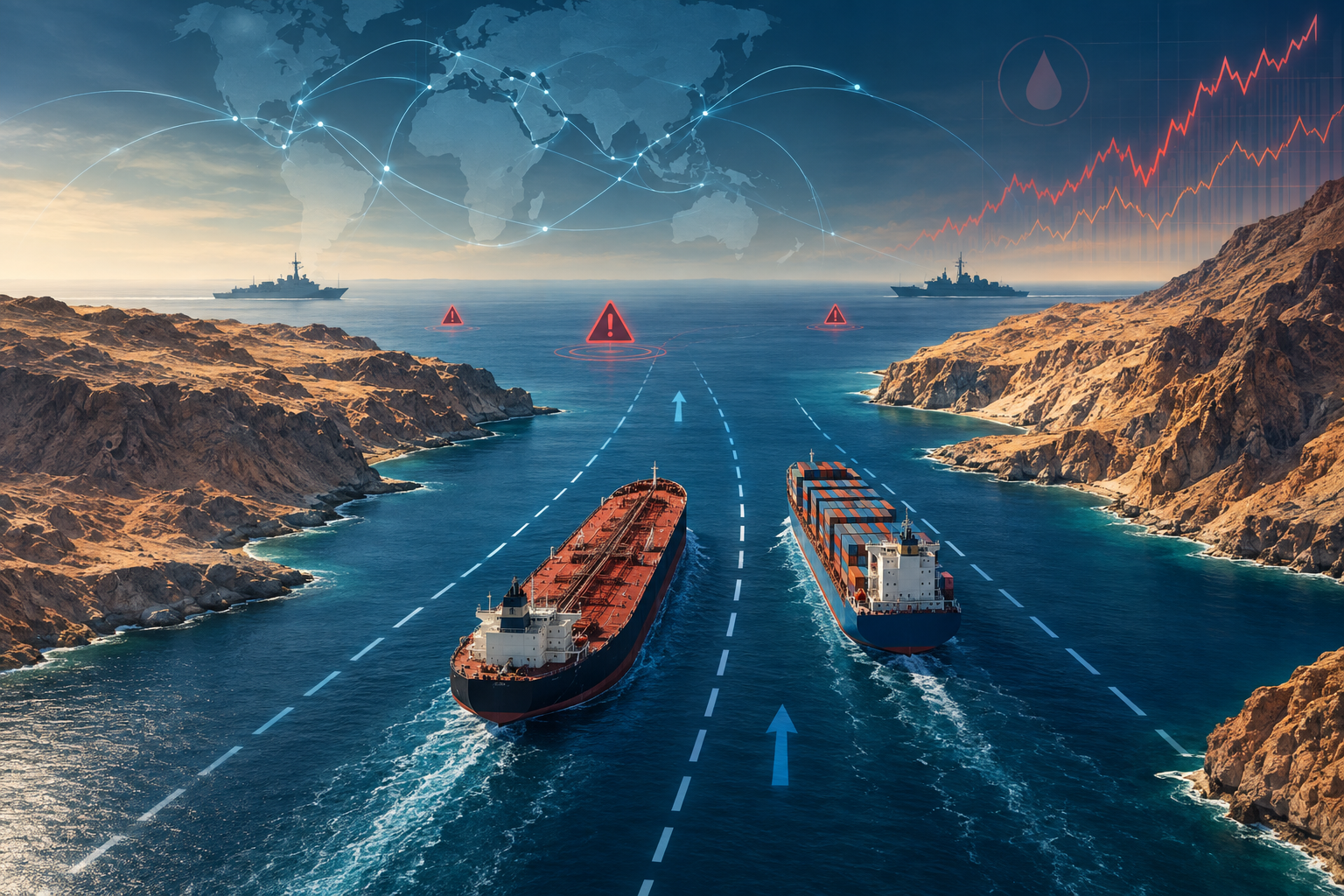
Iran’s armed forces have warned that any United States attempt to intervene in the security or management of the Strait of Hormuz would be treated as a threat to Iranian sovereignty and face a rapid military response.

The warning was issued on July 2 by Iran’s Khatam al-Anbia Central Headquarters, the operational command coordinating the country’s armed forces. It said oil tankers and merchant ships should use routes designated by Iran and follow Iranian navigation procedures while passing through the strait.
The command said vessels departing from those routes could face an immediate and forceful response. It also argued that the continued presence of American crewed and uncrewed aircraft over the waterway increased regional insecurity.
Washington disputes Tehran’s claim to control passage. The White House and US Central Command say American forces are protecting international commerce, clearing hazards and helping ships move through the waterway. Iran, in turn, describes US naval operations and restrictions on traffic serving Iranian ports as unlawful interference.
Why the Strait of Hormuz matters
The Strait of Hormuz connects the Persian Gulf with the Gulf of Oman and the Arabian Sea. Oil and gas produced by Saudi Arabia, Iraq, Kuwait, Qatar, the United Arab Emirates and Iran depend heavily on this narrow outlet to reach overseas customers.
The US Energy Information Administration estimated that 20.9 million barrels of crude oil, condensate and petroleum products passed through the strait each day during the first half of 2025. That represented about one-fifth of global petroleum consumption and roughly one-quarter of oil traded by sea.
The agency also estimated that more than 20% of global liquefied natural gas trade crossed the waterway, led by exports from Qatar. China, India, Japan and South Korea were among the principal destinations for crude shipped through Hormuz, making Asian economies particularly exposed to disruption.
Saudi Arabia and the UAE operate pipelines that can bypass the strait, but the Energy Information Administration says those alternatives could move only a fraction of the normal maritime volume. A sustained disruption could therefore tighten physical supplies, increase tanker insurance and freight costs, and place upward pressure on fuel prices even in countries that do not directly import Gulf oil.
How the confrontation reached this point
The present dispute grew out of the wider US-Iran conflict that began on February 28, according to the International Maritime Organization. Iran says it restricted hostile vessels after US and Israeli military action against Iranian territory. Washington says its operations have sought to protect US personnel, constrain Iran’s military capabilities and preserve commercial navigation.
A ceasefire and subsequent memorandum created a framework for easing restrictions, moving stranded ships and reopening maritime traffic. However, repeated accusations of violations prevented the arrangement from producing a durable settlement.
US Central Command said it conducted new strikes against Iranian military targets in July after attacks on commercial vessels. The command said the targets included coastal surveillance facilities, missile and drone positions, naval capabilities and command networks. Iranian authorities said their forces were defending national waters and responding to American military action.
The International Maritime Organization has rejected attacks on civilian vessels by any party. Its council has maintained that transit through an international strait should not be blocked or suspended and that ships should be able to use the internationally recognised traffic separation system without discriminatory restrictions or tolls.
By September 16, the organisation said it had verified 80 attacks on international shipping in and around Hormuz since the conflict began, with at least 22 seafarers killed and others injured. It urged governments to stop placing merchant crews at risk.
What readers should watch next
The first signal will be whether Iran attempts to enforce its designated routes against ships operating under US protection. A confrontation involving a tanker, naval escort, drone or patrol aircraft could quickly trigger another cycle of strikes and retaliation.
Shipping data will also be important. Falling tanker movements, vessels waiting outside the Persian Gulf, higher war-risk insurance premiums or companies suspending voyages would indicate that military warnings are becoming a broader commercial disruption.
Energy markets will focus on how much oil is moving through Hormuz and whether Saudi Arabia and the UAE increase pipeline exports to ports outside the Gulf. India and other major Asian buyers will also monitor refinery supplies, freight rates and the availability of replacement cargoes.
Finally, attention will remain on diplomatic contacts involving Iran, the United States, Oman and international maritime authorities. A workable agreement would need to reconcile Iran’s security demands with internationally recognised navigation rules while providing credible protection for civilian crews. Until that happens, the Strait of Hormuz will remain both an energy chokepoint and a potential military flashpoint.