Jaishankar warns UN that trade and technology are becoming tools of leverage
India’s External Affairs Minister S. Jaishankar warned the UN General Assembly on September 26, 2026, that competition between countries is increasingly playing out through access to money, markets, goods and technology. In his assessment, those pressures are weakening trust and leaving developing countries exposed to disruptions they have limited power to prevent.

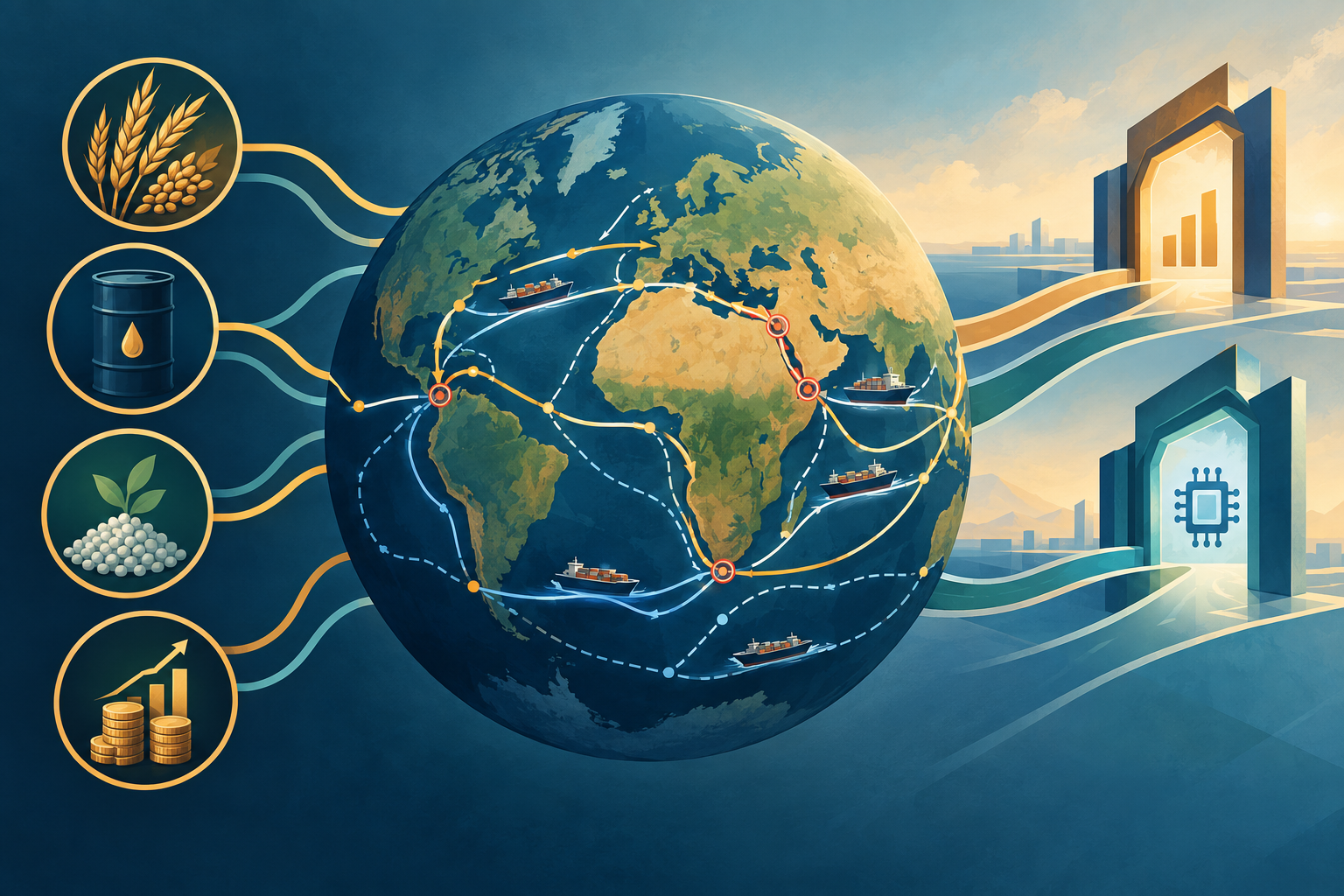
Speaking in New York, Jaishankar described what he called a “weaponisation of everything”. He said chokepoints were emerging in finance, market access and supply chains, while technology could be withheld. Resources and transport connections, he argued, were also being used as leverage. He presented this as a broad assessment of the international climate, not as a documented finding that a particular country had deliberately caused every disruption he described.
Why the warning matters beyond trade talks
The practical stakes, Jaishankar said, are especially sharp for the Global South. He characterised its predicament as a four-part crisis involving the security of food, fuel, fertiliser and finance. Those needs are closely linked: fuel helps move crops and power businesses; fertiliser affects what farmers can grow; and access to finance influences whether governments and importers can pay for essential supplies when costs rise.
For a country that relies on imported grain or energy, a delayed shipment can become more than a trade problem. Importers may have to seek another supplier or route, potentially at greater expense. Higher fuel bills can raise transport and production costs, while difficulty obtaining fertiliser can put pressure on future harvests. If financing is tight at the same time, governments have less room to cushion households or support farmers. These are ways the risks Jaishankar identified could reach everyday budgets; they are not a claim that every developing country is experiencing the same outcome.
Jaishankar linked the pressure to conflicts whose economic effects extend far beyond the places where fighting occurs. Countries distant from a conflict can still face disruption, he said, even when they have little say in how it is resolved. He called for restraint, protection of civilians and an uninterrupted flow of energy and commerce, and said India was prepared to help address food and energy insecurity.
Access, dependence and room to develop
His warning also concerned the ability of developing countries to build their own industries. Jaishankar argued that restrictive market access and practices he described as non-market-based can limit opportunities to industrialise. Withholding technology, in his account, creates another obstacle: countries seeking to expand production may depend on tools or expertise controlled elsewhere.
That is why his remarks went beyond the immediate price of a shipment. A country dependent on one source of supply, one export market or one financing channel may have fewer options when conditions change. Jaishankar said governments were responding by reducing such risks and diversifying their relationships. He cautioned, however, that this shift was taking place in an atmosphere with less trust and goodwill.
The speech did not establish that all restrictions on finance, trade or technology are intended as coercion. Governments and companies may make decisions for different reasons, and the effects on developing countries vary. Jaishankar’s central argument was that, whatever the individual circumstances, concentrated control over essential links in the global economy can leave less powerful countries vulnerable.
His message to the Assembly was therefore both economic and diplomatic. Keeping food, fuel and fertiliser moving matters to households and harvests now; reliable finance, broader market access and technology matter to countries’ longer-term choices. Jaishankar urged a more cooperative international environment, arguing that nations paying the price of distant shocks should not be left with the fewest options for responding to them.