
LPU Protest: Police Open Inquiry Into Unverified Assault Claim
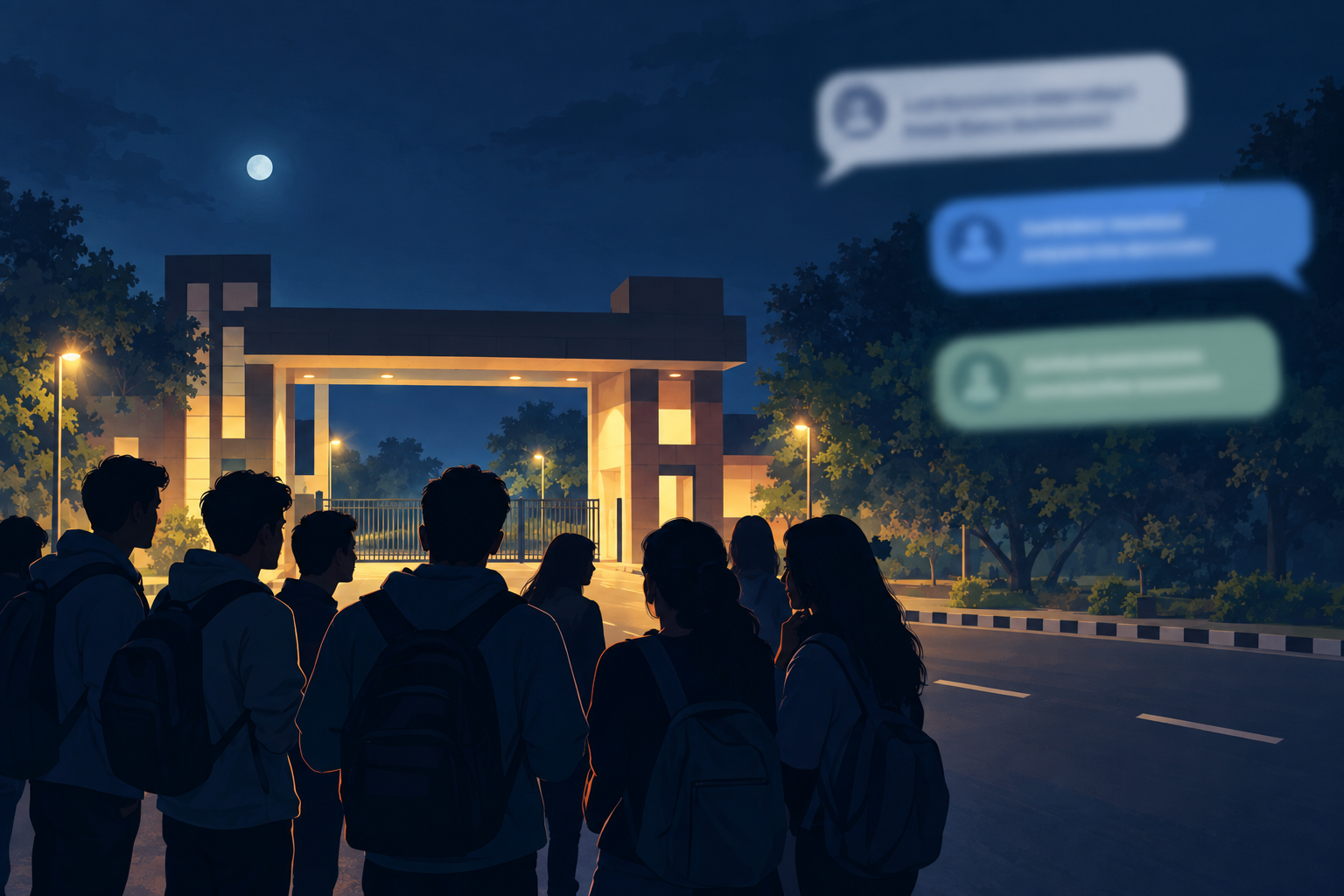
Students at Lovely Professional University (LPU) in Phagwara, Punjab, protested into Sunday, September 27, 2026, after an allegation of sexual assault circulated among students and online. The gathering escalated: property was damaged, some objects were set on fire, and protesters blocked the Jalandhar–Phagwara highway. Those events are distinct from the allegation that prompted the protest, which police said they were investigating.

The timing of the police response matters. Kapurthala Senior Superintendent of Police Gaurav Toora told students during the early unrest that police had received no complaint about the alleged assault at that point. That was an account of what police knew then, not a finding about whether an assault had occurred. Later on Sunday, police registered a first information report concerning an alleged rape against an unidentified person and announced a special investigation team. The later filing does not establish that the reported crime took place; equally, the earlier absence of a complaint cannot be presented as the final status of the case.
What happened during the protest
The unrest began near the women’s hostels and grew as students from other hostels joined. By the early hours of Sunday, a crowd had moved towards the university’s main entrance. Around 4 a.m., protesters blocked the highway outside the campus, disrupting traffic on the Jalandhar–Phagwara stretch. Students demanded an explanation of the allegation and action if it proved true.
Campus property was damaged during the unrest, and objects were set alight. Videos shared online showed parts of the protest, but footage of a gathering or damage cannot verify the alleged assault. Claims about who was involved, precisely what happened or how the university responded must be checked separately rather than inferred from the size or intensity of the demonstration.
Students also raised concerns about hostel security and administration. Those concerns warrant a response in their own right, regardless of what the criminal investigation establishes. Police said they would consider the security issues raised with them and discuss students’ demands with university management.
Police inquiry and university response
Jalandhar Range Deputy Inspector General Naveen Singla said police were verifying the facts and would examine forensic and technical material. He announced a special investigation team and said student representatives would be associated with the inquiry. The first information report was filed against an unknown suspect after statements from students, rather than after police publicly confirmed an assault.
LPU rejected the claims circulating online. In a statement, registrar Monica Gulati said there was no truth in the rumours then being shared and urged students, parents and the public not to spread unverified information. That is the university’s position, not an independently established account of the alleged incident. Police have a separate responsibility to investigate the complaint and report what they can establish.
The record therefore has three clear parts: a protest and highway blockade occurred; an allegation of sexual assault circulated; and police moved from saying no complaint had been received at the time of their initial response to registering a case later that day. None of those facts should be collapsed into a claim that an assault has been proven or disproven.
Questions still requiring answers
Police need to clarify what evidence, if any, has been established; whether they have identified or contacted the person described in the complaint; and what the special investigation team’s remit and next steps are. Investigators should also explain how they will address students’ hostel-security concerns without disclosing information that could identify a potential victim.
The university needs to provide a clear account of any complaints or safety concerns it received before and during the protest, what steps it took in response, and how it will communicate with students while the police inquiry continues. Answers to those questions should be assessed against the investigation’s findings, not against viral posts. Until more is verified, neither the allegation nor the university’s denial should be treated as a settled conclusion.