Modi and Trump Pledge Continued Talks as India-US Trade Negotiations Continue
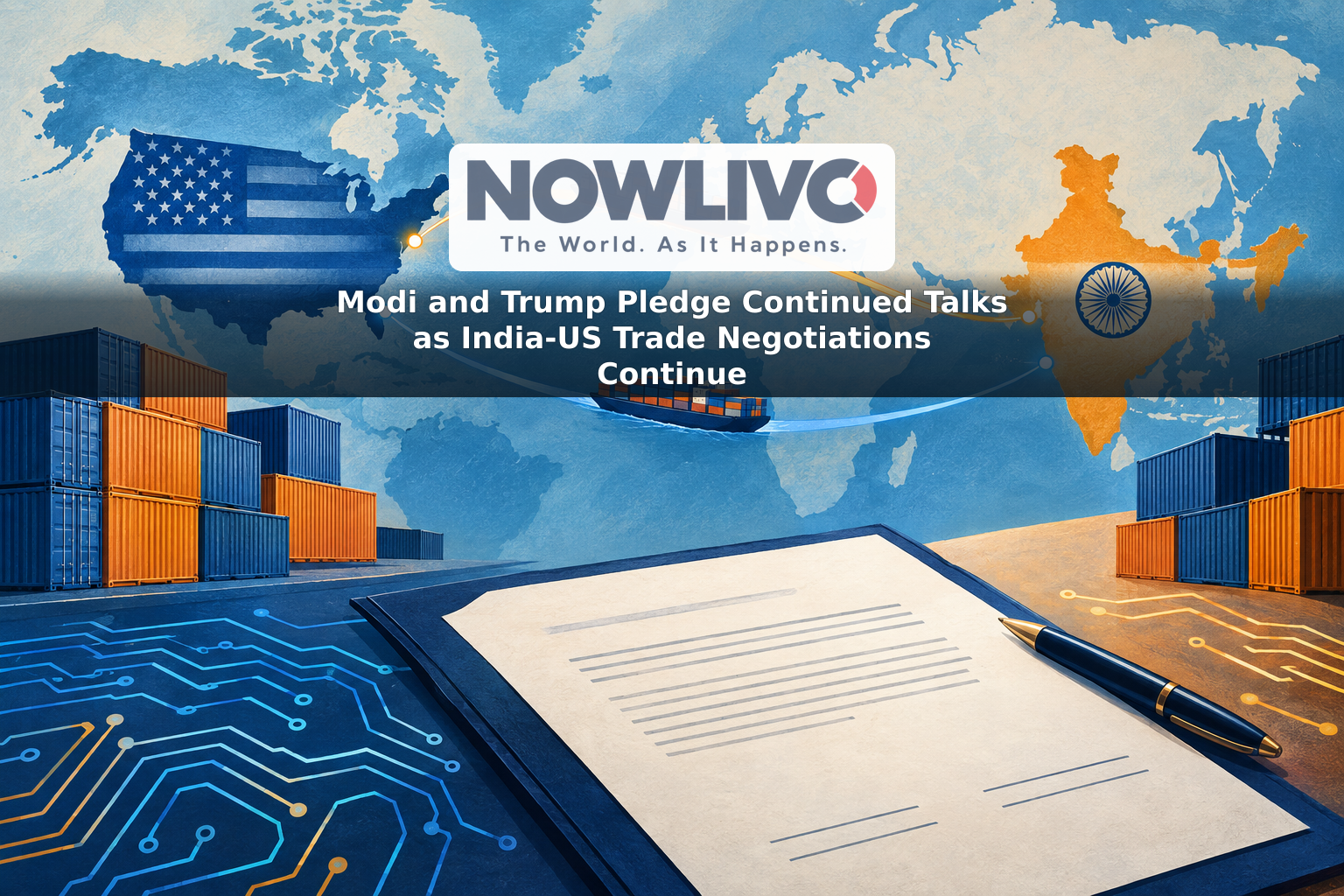
Indian Prime Minister Narendra Modi and US President Donald Trump agreed to maintain close engagement during a September 30, 2026, phone call, according to India’s Prime Minister’s Office. The leaders reviewed cooperation on trade, defence, energy and critical technologies. Their conversation came during Commerce and Industry Minister Piyush Goyal’s visit to the United States, where India plans to pursue an interim trade arrangement.
The distinction between continued engagement and a trade agreement matters. India’s account of the call did not announce a signed pact, new tariff terms or a deadline for concluding negotiations. It said the two leaders reaffirmed their commitment to the wider India-US strategic partnership, discussed regional and international issues, and agreed to remain in touch. Those are signals of political support for cooperation, not evidence that negotiators have settled the remaining commercial terms.
Why Goyal is in the US
Goyal’s September 29–October 5 visit includes the G20 trade ministers’ meeting in Milwaukee, Wisconsin, on September 30 and October 1. India’s Commerce and Industry Ministry said he would also engage with his US counterpart to advance negotiations on a broader bilateral trade agreement and work toward finalising an interim deal. The ministry described that effort as following the framework announced by the two countries in February.
The visit has a second purpose beyond government negotiations. India said Goyal would meet American business leaders, investors and startups in Milwaukee and Chicago, including representatives of manufacturing, retail, technology and agribusiness. Such meetings can help identify investment and supply-chain opportunities, although they do not themselves change the rules governing trade.
What an interim arrangement could do
India and the United States announced a framework for an interim trade agreement in February 2026, with the US statement dated February 6 and India referring to the joint statement on February 7. A framework sets out proposed terms and a direction for negotiations; it is not the same as a final agreement whose provisions have taken effect.
Under the published framework, India would eliminate or reduce tariffs on US industrial goods and a range of food and agricultural products. The US outlined an 18% reciprocal tariff rate for specified Indian goods under the tariff measures named in that statement and described possible removal of reciprocal tariffs on certain other products following successful conclusion of the interim agreement. The document also addressed market access, rules of origin and barriers that can slow trade even when tariffs fall.
For Indian exporters, the practical question is whether a completed arrangement would provide clearer and more competitive terms for selling into the US market. Textiles, apparel, leather goods and other manufactured products featured in the February framework. The statement also identified categories such as generic pharmaceuticals, gems and diamonds, and aircraft parts for potential further tariff treatment, subject to the conditions it set out. Businesses should not treat those prospective benefits as already secured solely because the leaders spoke.
For US sellers, India’s proposed tariff reductions could make some industrial and agricultural goods more competitive. Commitments to address licensing procedures, technical requirements and other non-tariff barriers could matter just as much to firms trying to enter a market. The eventual effects would depend on the final product lists, implementation dates, applicable rules and any changes to tariff policy before the agreement is concluded.
The larger deal remains ahead
The interim arrangement is intended as a step toward a broader bilateral trade agreement, not a substitute for one. The February framework left further market-access commitments and digital trade rules for continuing negotiations. It also provided that either country could revisit its commitments if agreed tariffs change—an important qualification for companies trying to plan prices and sourcing.
For now, the clearest result of the September 30 call is diplomatic continuity. India says the leaders want to keep working together, while Goyal’s US visit gives trade officials an opportunity to narrow differences. Whether that produces an interim deal—and when any changes would take effect—will require a further formal announcement of agreed terms.