Three Meme Moods Taking Over Feeds: Suspicion, Sticker Shock and Canceled Plans
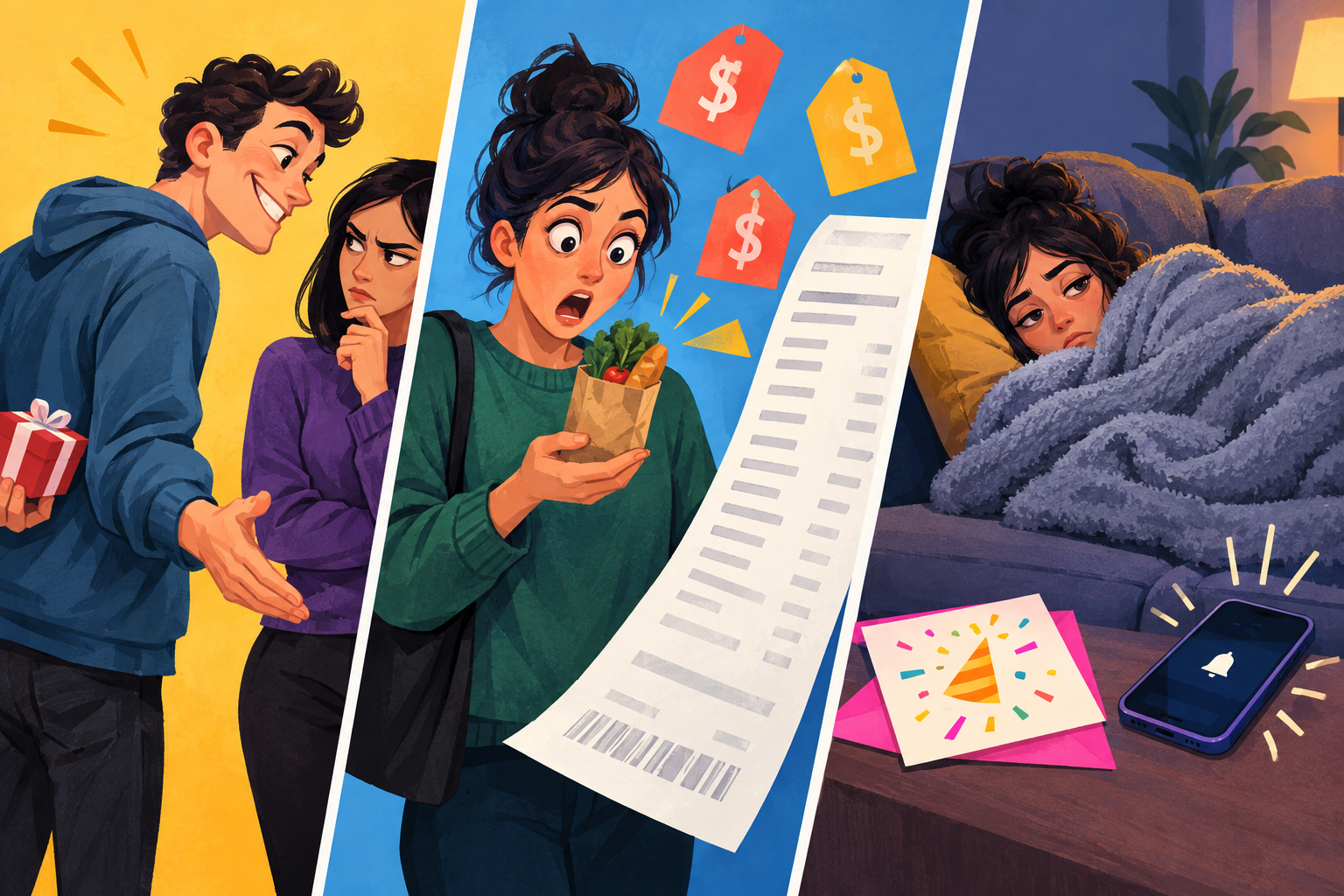
Social feeds on Saturday, September 26, are being shaped by three especially recognizable moods: skepticism toward confident promises, disbelief at everyday prices and immediate regret over weekend plans. The images and captions vary, but the underlying comedy is consistent. Each format turns a familiar tension into a joke that can be understood almost instantly.

The most distinctive of the current formats is the “Why Would I Deceive You?” meme, built around an intense exchange between former Theranos executive Elizabeth Holmes and comedian Nathan Fielder. The scene has become shorthand for a statement delivered with complete confidence even when the listener has every reason to remain suspicious.
Creators typically place an implausible assurance above the speaker’s expression and use the listener’s reaction as the silent rebuttal. The format works because it does not require a lengthy setup. One face makes the claim; the other communicates disbelief.
From political promises to tax jokes
Although many versions focus on harmless domestic situations, the template has quickly found a place in political and tax-related humor. Posts imagine governments, candidates, employers or household bill providers insisting that a new charge is temporary, beneficial or barely noticeable. The skeptical second panel supplies the punchline without requiring the creator to spell out an argument.
That flexibility is a major reason for the meme’s reach. It can be used for a friend promising to repay borrowed money, a subscription announcing another “small” increase or a politician presenting an unusually generous proposal. In every case, the joke rests on the same gap between polished reassurance and instinctive doubt.
The strongest versions avoid complicated policy claims and instead concentrate on a shared emotional response: the feeling of being asked to accept something that sounds suspiciously convenient for the person saying it.
“In this economy” keeps finding new targets
Another dominant meme mood is less dependent on one specific image. The phrase “in this economy” continues to function as a universal punchline for the cost of groceries, rent, dining out, transportation and entertainment. It can be attached to almost any minor luxury, from ordering extra toppings to replacing a phone charger before it completely stops working.
The phrase has circulated online for years, but it remains effective because it can be both sincere and absurd. Some posts highlight genuine frustration over household expenses. Others deliberately apply financial panic to trivial decisions, such as using two paper towels or paying for ad-free streaming.
This style of humor often relies on exaggerated budgeting logic. A creator might frame buying coffee as a major investment, describe splitting an appetizer as a merger or portray a trip to the grocery store as a high-risk financial mission. The numbers do not need to appear on screen; recognition of the underlying pressure is enough.
Economic memes are also highly shareable because they let users complain without writing a serious personal statement. A quick caption can communicate frustration, resignation and solidarity while keeping the tone light enough for a group chat.
The weekend plan emotional U-turn
The third format surging into the weekend is an old favorite with fresh variations: the day plans are made versus the day they actually happen. One panel shows excitement, confidence or unrealistic ambition. The second shows exhaustion, dread or a person staring longingly at the couch.
These jokes capture the emotional distance between agreeing to an outing earlier in the week and confronting it when the appointed hour arrives. Common captions involve brunch reservations, birthday parties, long drives, crowded events and the dangerous phrase “we should definitely do something Saturday.”
The format is especially popular because neither side of the joke has to be portrayed as wrong. People can genuinely want to see their friends while also wishing the plan would disappear. Some of the most relatable versions end with both participants secretly hoping the other person cancels first.
Why these formats work together
Despite their different subjects, all three meme styles revolve around a mismatch between what is said and what is felt. “Why Would I Deceive You?” contrasts assurance with suspicion. “In this economy” contrasts ordinary desires with financial caution. Weekend-plan jokes contrast earlier enthusiasm with present-day fatigue.
They are also easy to personalize. Users can replace the original caption with a workplace complaint, dating scenario, family interaction or niche hobby reference without changing the basic structure. That low barrier to remixing helps a format travel quickly across platforms and communities.
For now, the internet’s prevailing comic voice is skeptical, budget-conscious and slightly tempted to cancel. It may not be the most optimistic collection of moods, but it is proving remarkably effective at making people feel understood.