Trump Eases Some Canada Tariffs as Maine Senate Race Tightens
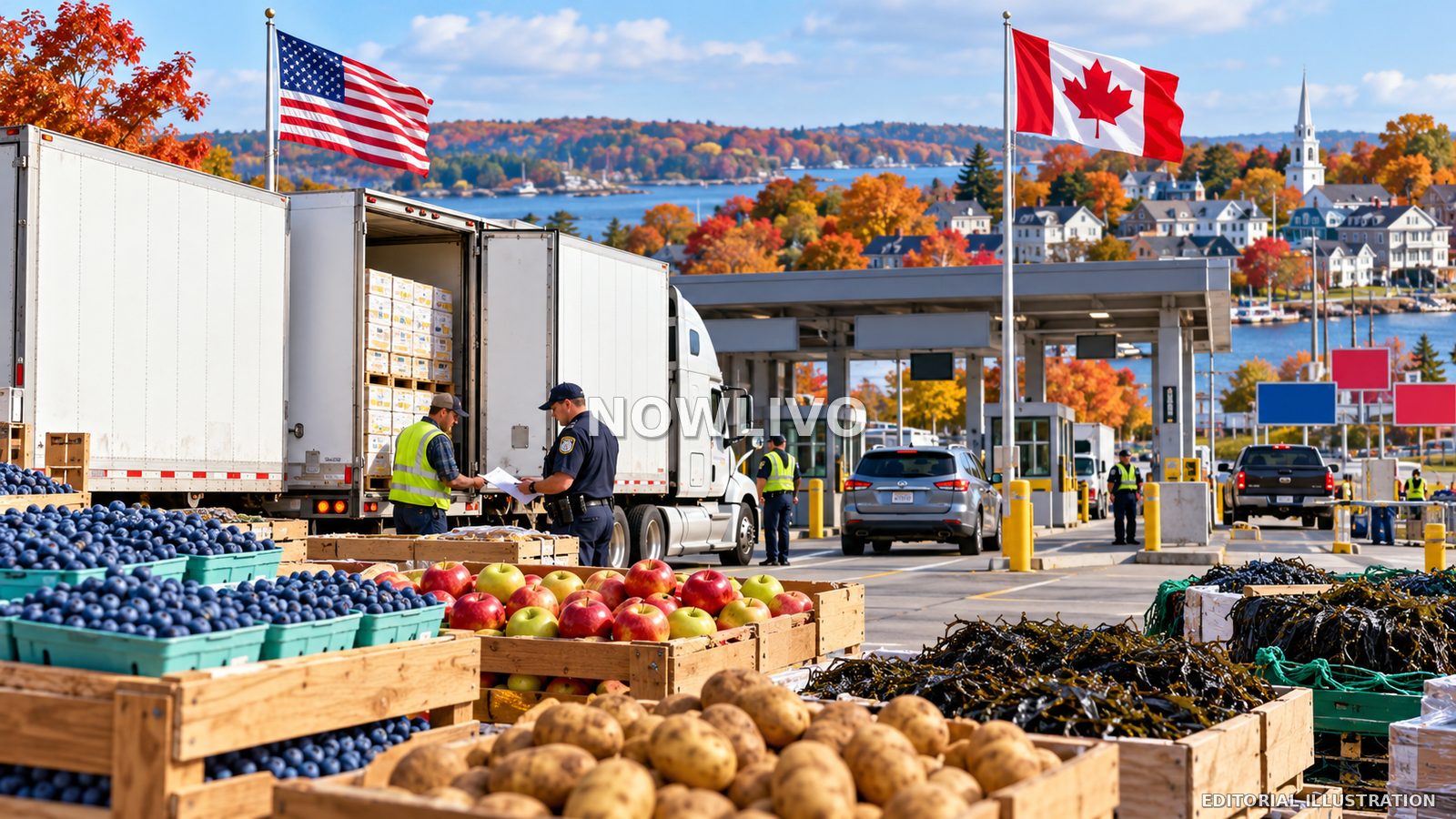
The Trump administration has removed tariffs on nine Canadian agricultural products, including blueberries, potatoes, apples and seaweed, along with certain processing materials and equipment used by Maine businesses. The White House said the changes were in the public interest and addressed the effects of Canada’s trade measures. The move arrived as Republican Senator Susan Collins faces a closely watched re-election contest against Democrat Troy Jackson in a state whose economy is closely tied to cross-border trade. Collins said she had pushed for tariff relief, while critics portrayed the decision as an attempt to help a vulnerable Republican incumbent before the midterm elections. The exemptions are limited, and they do not end the broader trade dispute between the United States and Canada.
Which tariffs were changed
The exemptions cover selected agricultural products and some inputs or equipment used by businesses in Maine. Blueberries, potatoes, apples and seaweed were among the named products. The scope is narrower than a blanket end to the US–Canada trade dispute. For companies that rely on the affected goods, however, a change in tariff treatment can alter costs and make contracts easier to price. The benefit will depend on which customs categories qualify and when the change takes effect.
Tariffs apply at specified points in the supply chain, and their effect can vary depending on whether the importer absorbs the duty, passes it to retailers or negotiates new terms with suppliers. An exemption may help one product category while leaving other costs in place. Businesses need to confirm the exact customs codes and effective dates to know whether a shipment qualifies. The announcement should therefore be understood as targeted relief, not a general rollback of all duties affecting Canadian goods.
Why Maine is exposed to the trade dispute
Maine shares a long border with Canada and has industries linked to Canadian supply chains, including agriculture, logging, fishing and lobstering. Trade friction can affect raw materials, processing costs, market access and the timing of shipments. These effects may be especially visible for smaller businesses with limited ability to substitute suppliers or absorb a sudden rise in costs. A narrow exemption can still matter to a business whose margins are tight and whose operations depend on a steady cross-border flow of goods.
That local exposure gives tariff changes an economic dimension beyond national political messaging. A farmer or processor may care less about diplomatic framing than whether a shipment is profitable and contracts can be honoured. The exemptions could help some firms, but their overall value depends on the volume of eligible trade and what other duties remain in place. Local businesses will need to review the details rather than assume every Canadian input now enters without a tariff.
Collins’s role and the Senate contest
Collins, a Republican senator seeking re-election, said she had pressed the administration for relief and would continue to seek further exemptions and a broader trade agreement. Her contest against Democrat Troy Jackson is important because control of the Senate is at stake. The administration’s move gives Collins a policy result to point to in a state where tariffs have become politically contentious and where some industries have argued that trade restrictions add costs.
The timing has encouraged opponents to argue that the tariff change is designed to help Collins. That is a political interpretation rather than proof of the administration’s motive. The White House presented the exemptions as serving the public interest and responding to Canadian trade measures. Reporting should include both the stated policy rationale and the electoral context without treating one as decisive evidence of the other. A final assessment requires looking at the products covered, the practical economic benefits and the policy process used to approve the changes.
A trade conflict with two-way costs
The US tariff measures were part of a broader dispute that prompted Canada to impose retaliatory duties on American goods. Canada has since lifted some measures affecting US seafood, according to reporting, but the relationship remains unsettled. Tariffs can be used as leverage in negotiations, yet they also raise costs for companies that rely on cross-border inputs and may lead to countermeasures that hit domestic exporters. The consequences can spread through supply chains rather than remaining with the importer that pays at the border.
The economic incidence of a tariff is often shared across importers, producers, retailers and consumers. Some businesses absorb added costs, while others raise prices or reduce purchases. Retaliatory tariffs can redirect orders or reduce exporters’ competitiveness. Those effects may not appear immediately in national economic data, but they can matter to particular towns and industries. The policy’s long-term value depends on whether it produces negotiated concessions that outweigh the disruption caused by the tariff measures themselves.
Why the White House calls it a public-interest change
The administration said the exemptions addressed the effects of Canada’s trade measures and served the public interest. Governments can adjust tariff policy to respond to supply shortages, industry impacts, diplomatic developments or political pressure. A policy explanation should be examined alongside the list of products affected, the tariff schedule and any related rules for businesses. The fact that an exemption arrives close to an election may be politically important, but it does not by itself establish the reason behind the decision.
The public-interest rationale also needs consistent application. Companies need to know whether the exemptions are temporary, what conditions apply and whether other product categories may be considered. Clear guidance is essential so businesses can make purchasing decisions without assuming a broad tariff rollback where only selected products qualify. Officials should make the effective date and customs treatment clear enough that importers and exporters can adjust contracts and avoid preventable disputes.
What happens next
Businesses will need to review the effective date and product definitions, while lawmakers and the administration may pursue further exemptions or broader negotiations. Collins said she would seek additional relief and a more comprehensive trade agreement. The impact of the current change will become clearer as eligible shipments move through customs and companies report how costs have shifted. If the government issues further guidance, it will help businesses determine whether the exemption is temporary or part of a broader change in trade policy.
The immediate story is a limited tariff rollback with a clear connection to Maine’s economy and a politically competitive Senate race. Whether it signals a wider change in trade policy will depend on follow-up decisions and how the United States and Canada manage the remaining measures. For now, firms should treat the exemption as specific relief for listed categories, not an assumption that the trade dispute is over.