Early Voting Surges Across US Battlegrounds as Democrats Cast More Ballots
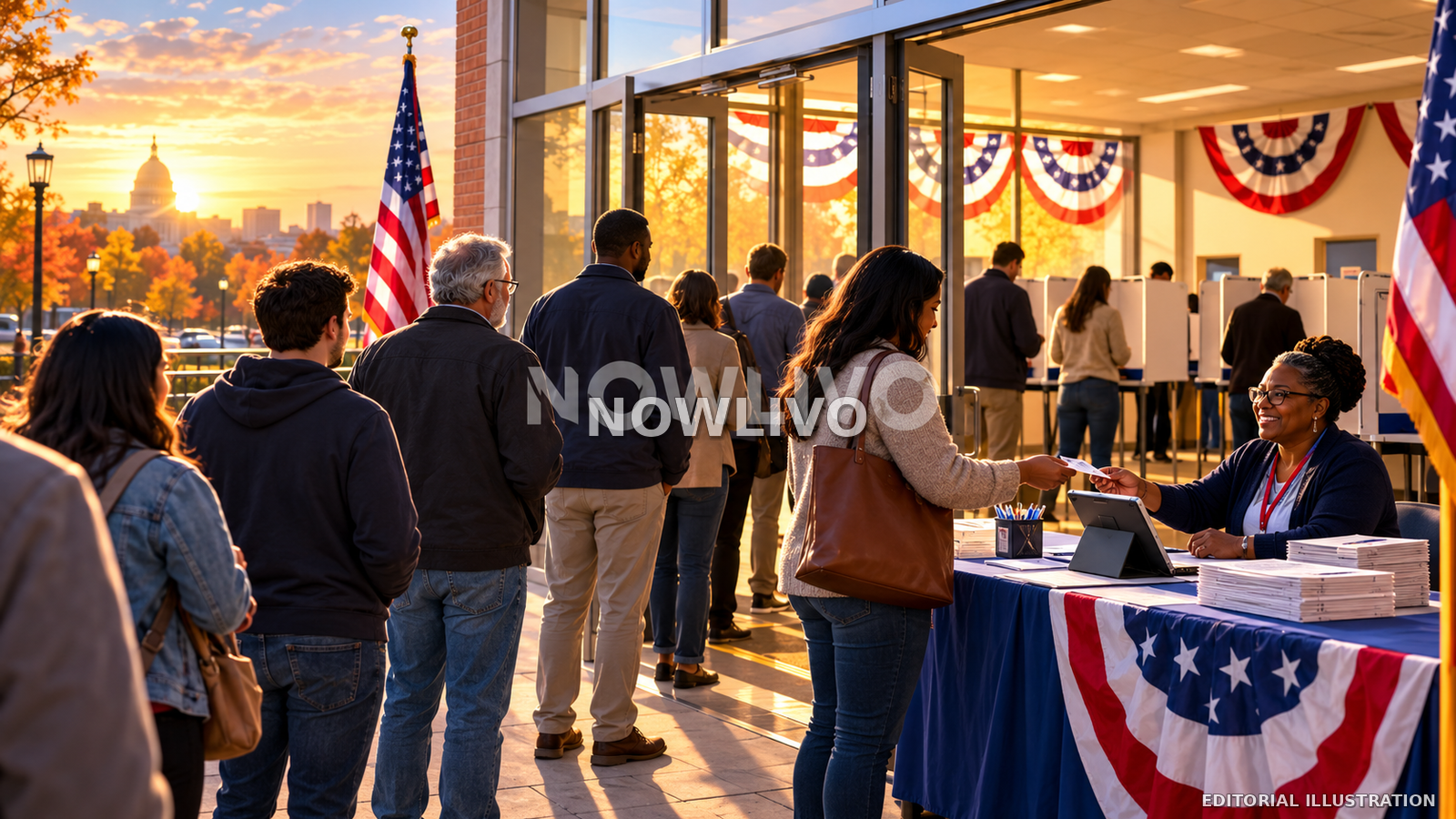
More than 23 million Americans had already voted in person or by mail by the afternoon of October 23, according to early-voting figures cited by The Guardian, as turnout rose across several states expected to influence control of Congress. The November 3 midterm elections are less than two weeks away, and both parties are monitoring ballot returns in battlegrounds including Texas, Florida, Georgia, North Carolina, Ohio and Michigan. Early voting can reveal how strongly voters are participating and which groups are mobilising, but it does not provide a direct forecast of the result. The same total may reflect changes in access, voter enthusiasm, campaign activity or the timing of ballots rather than a guaranteed advantage for one party.
More than 23 million ballots already cast
The Guardian’s review of data from the University of Florida’s Election Lab said more than 23 million Americans had voted in person or by mail by Friday afternoon. The reported state totals included more than 2.8 million early ballots in Texas, almost 2.2 million in Florida, about 1.5 million in Georgia, more than 1.2 million in North Carolina and over 900,000 each in Michigan and Ohio. The figures are a snapshot from October 23 and will change as additional ballots are recorded.
The numbers show that a substantial share of the electorate is voting before Election Day. They do not mean that all states are counting the same type of ballot on the same schedule, and reporting methods can vary. Mail ballots may be requested, returned or processed at different times depending on state rules. Comparing state totals is useful, but comparisons need context about population, eligibility, voting methods and where each state is in its early-voting calendar.
Why battleground states matter
The early-voting picture is especially important in states where Senate and House races may determine control of Congress. Democrats need a net gain of four seats to reclaim majorities in both chambers, according to the report, so turnout in competitive states can have national consequences. Texas and Florida have large electorates, while Georgia, North Carolina, Michigan and Ohio have been closely watched in recent federal elections. Campaigns are trying to turn attention and advertising into ballots before Election Day.
State totals alone do not reveal which candidate is benefiting. A high number of ballots can reflect increased enthusiasm on one side, strong mobilisation by both parties, expanded voting access or changes in how voters choose to cast their ballots. If one party’s voters cast ballots earlier than the other party’s, the eventual balance may still change as Election Day approaches. The most reliable interpretation combines turnout figures with historical patterns, validated voter data and polling rather than treating early totals as vote shares.
Democrats are casting more early ballots in several places
The Guardian reported that Democrats appeared to be voting at higher rates in a number of battleground states. That can be an encouraging signal for a party seeking to regain congressional control, particularly when campaigns have invested heavily in early turnout. But party registration, where available, is not the same as candidate preference, and states differ in whether and how they record party affiliation for early voters. The details should be compared carefully before drawing a national conclusion.
A turnout advantage can change as voting progresses. A party whose supporters tend to vote early may appear strong in the first returns, while other voters cast ballots closer to Election Day. Mail processing and reporting schedules can also make one state’s data look more current than another’s. Campaigns often use early numbers to energise supporters, but analysts need to distinguish confirmed votes from ballots requested or returned but not yet fully processed.
Rising participation has several possible explanations
Early voting can rise when voters are especially engaged, campaigns reach more people, polling locations are easier to access or more eligible voters choose to cast ballots before Election Day. It can also rise because a state changes its voting procedures or reporting system. As a result, an increase compared with a previous election does not necessarily signal a dramatic change in political preference. It shows that more people have participated at that point in the calendar.
The Associated Press has noted that early-voting totals in several states are substantially higher than at the same point in the 2022 midterms, but expanded access and improved data reporting account for some of the rise. That caution is important. The raw number of ballots should be interpreted alongside election rules, population and previous turnout. It would be premature to treat every increase as evidence that one party is headed for victory.
The economy and other issues are motivating voters
The Guardian’s report said voter frustration over the economy, cost of living and President Donald Trump’s handling of the war on Iran were among the factors shaping the political environment. These issues can motivate people to vote, but their effect is not uniform. Voters may respond to prices, fuel costs, jobs, immigration, foreign policy or local concerns differently depending on their personal circumstances and political loyalties.
Campaigns use early voting to make sure supporters who may be busy or less likely to vote on Election Day participate in advance. That involves field operations, reminders, transportation where permitted and communication about voting rules. The success of those efforts can show up in turnout totals, but the ballot itself remains secret. Analysts cannot reliably infer an individual’s vote choice solely from when or how that person cast a ballot.
What happens next
The totals will continue to rise as additional voters cast ballots and officials update their reports. The key indicators to watch are whether the turnout lead persists across battlegrounds, whether the pattern differs from previous midterms and whether late early voting changes the apparent balance between parties. Polling and campaign reports may provide context, but analysts should avoid treating any one data source as decisive.
The immediate story is increased participation, with more than 23 million ballots reported by Friday afternoon and large numbers in several key states. The political outcome remains unknown. Early voting tells campaign strategists how mobilisation is progressing, but the final test is the full vote count after all eligible ballots are reported and tabulated under state law.