WHO Makes Childhood Cancer Survival Estimates Comparable Across 194 Countries
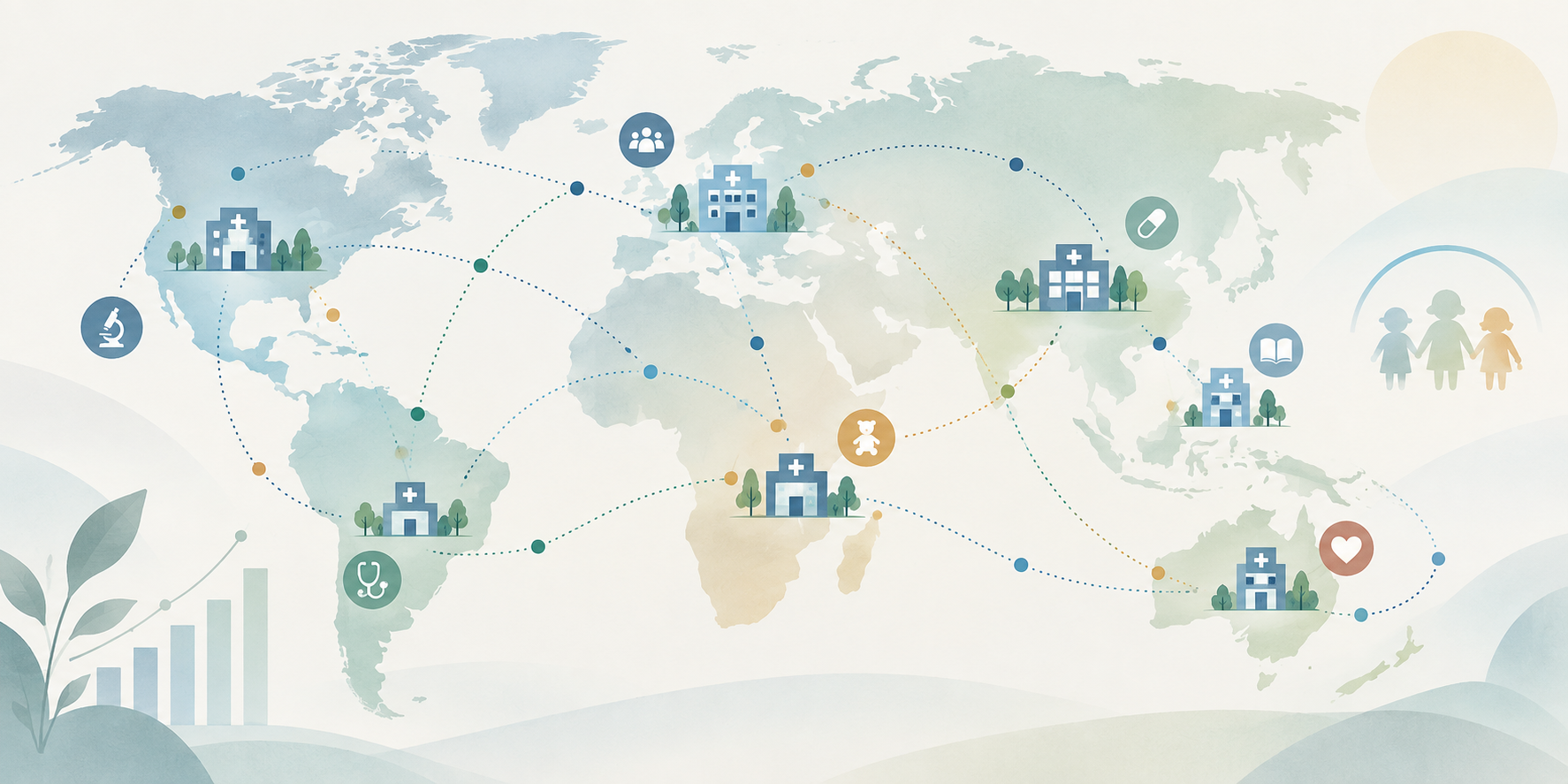
The World Health Organization has made a country-comparable dataset on childhood cancer survival available through its Global Health Observatory. The estimates cover five-year survival among children and adolescents with lymphoid leukaemia in 194 countries, giving health authorities a common baseline for examining differences in outcomes.

The release matters because survival statistics collected under different national systems are difficult to compare directly. WHO says the estimates use a common method across its member states. That can help identify where diagnosis and treatment systems need closer attention, though an estimate should not be mistaken for a complete count of every child’s outcome.
What the figures show
WHO says survival for childhood cancers reaches roughly 80–90% in high-income settings but is closer to 40% in places with weaker health systems. Those broad figures describe childhood cancers generally; the newly accessible country-comparable series specifically concerns lymphoid leukaemia. Readers should keep that distinction in mind when comparing the two.
Where children live can affect whether cancer is recognised promptly, whether essential medicines are available and whether specialised care continues through treatment. WHO also identifies a wider survival gap for adolescents aged 15–19 than for children aged 0–14, especially in low- and middle-income countries. One practical issue is the transition between paediatric and adult services, where a patient may need a different care pathway.
How to read the dataset
The new figures are a tool for health planning, not a ranking of the quality of individual clinicians or a prediction for a particular patient. WHO notes that nearly 80% of the world’s population is outside the coverage of population-based cancer registries. It estimates that in some regions as many as 43% of childhood cancer cases are undiagnosed and untreated. Those gaps make careful interpretation essential, even as a shared method improves comparisons.
WHO published the underlying survival report in May 2026 and opened the complete dataset on 22 September. The release adds a way to track its Global Initiative for Childhood Cancer target: at least 60% survival worldwide by 2030. Progress toward that goal depends on more than measuring the gap. It requires earlier diagnosis, access to medicines, capable treatment services and better records to show whether those changes reach children and adolescents.