Iran Proposes Seven-Day Hormuz Roadmap Tied to Ceasefire and Sanctions Relief
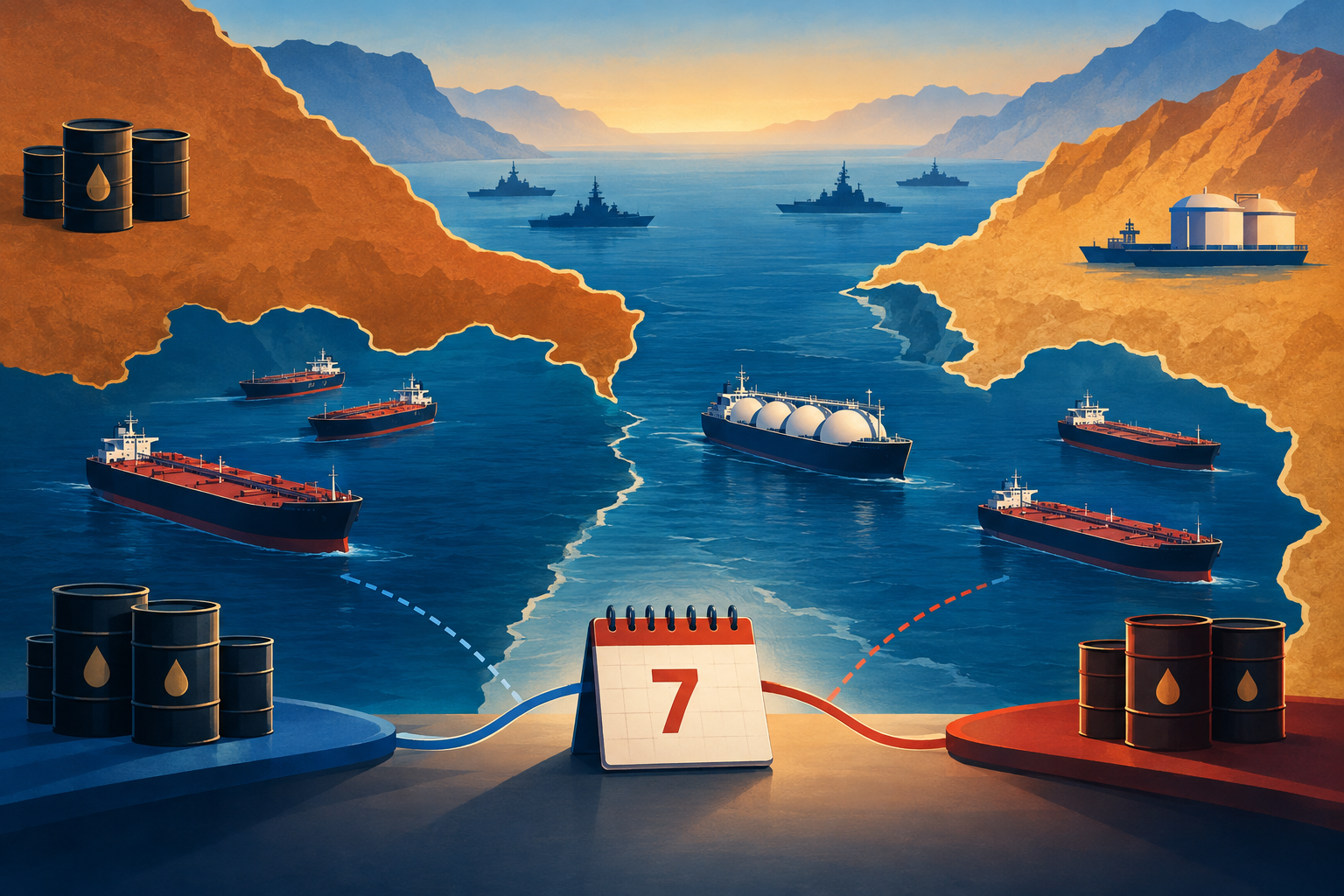
Iran has presented the United States with a proposed seven-day roadmap that it says could lead to the reopening of the Strait of Hormuz and the resumption of wider negotiations. The initiative is Tehran’s stated position, not an agreed ceasefire or a concluded deal between the two countries.

Iranian Foreign Minister Abbas Araghchi publicly outlined the proposal in New York on Thursday, September 24, during the United Nations General Assembly. He said it had been delivered to Washington through intermediaries and that a seven-day timetable could begin if the United States accepted its conditions.
What Iran says should happen
Under the sequence described by Iranian officials, hostilities would stop across the relevant regional fronts during the seven-day period, with Lebanon specifically included in public descriptions of the plan. The proposal would require the United States to lift its naval blockade of Iranian ports and reduce the military pressure Tehran says is restricting its trade and access to the Gulf.
Iran also wants access to frozen or restricted Iranian assets, reported to total at least $12 billion under the current proposal. Another condition is a US waiver or suspension of sanctions affecting Iranian oil exports, which would allow Tehran to sell crude more freely and receive payments through international financial channels.
The Strait of Hormuz would reopen at the end of the seventh day, according to the Iranian outline. Broader negotiations, including discussions over Iran’s nuclear programme, would then resume. This order is important to Tehran: immediate economic and maritime steps would come before, or alongside, negotiations on the nuclear dispute rather than being reserved as rewards after a final settlement.
The roadmap draws on elements of a memorandum signed in June that briefly reduced tensions but later broke down amid competing accusations of violations. The new version compresses measures previously expected to unfold over a much longer period into one week.
Earlier Iranian demands have also included a wider withdrawal of US naval and air forces from areas around Iran, compensation for wartime damage and long-term guarantees against future attacks. It is not clear that every one of those broader demands is part of the accelerated seven-day proposal. The latest public description has focused on halting hostilities, lifting the blockade, easing oil sanctions, releasing assets and reopening the strait.
No agreement has been announced
Washington has not publicly accepted the roadmap, and neither government has announced a binding agreement. The two sides also remain divided over sequencing. Iran wants relief from military and economic pressure before comprehensive nuclear talks, while the United States has sought to address maritime security and the nuclear programme within a broader package.
That gap means the proposed timeline should not be interpreted as confirmation that the strait will reopen within a week. The seven days would begin only after US acceptance, according to Araghchi, and the practical details of monitoring hostilities, naval movements, sanctions waivers, asset transfers and safe shipping remain unsettled.
Why the Strait of Hormuz matters
The Strait of Hormuz is a narrow passage between Iran and Oman connecting the Persian Gulf with the Gulf of Oman and the Arabian Sea. Before the current disruption, roughly one-fifth of global oil flows passed through the waterway. It is also critical for liquefied natural gas shipments, particularly exports from Qatar and the United Arab Emirates.
Major Gulf producers can redirect some crude through pipelines to terminals outside the strait, but that alternative capacity is limited. A prolonged disruption can therefore reduce available supply even when producing countries have oil ready for export.
The effect extends beyond the cargoes that are physically delayed. Threats to tankers can increase war-risk insurance premiums, freight rates and crew costs. Shipowners may avoid the area, demand higher payments or keep vessels waiting for naval and security assurances. Those expenses are eventually reflected in crude, gas, fuel and manufactured-goods prices.
Energy markets also respond to uncertainty. Even a temporary escalation can push benchmark oil prices higher as traders account for the possibility of a deeper supply interruption. A credible reopening could produce the opposite reaction, but markets would look for actual vessel movements and sustained security rather than relying on a political announcement alone.
Why India is exposed
India imports close to nine-tenths of the crude oil it consumes, making international price movements a direct economic concern. The country has diversified supplies and increased purchases from producers outside the Gulf, reducing the proportion of Indian crude that must physically cross Hormuz. However, diversification does not insulate India from a worldwide rise in benchmark prices.
Higher oil costs can increase India’s import bill, pressure the rupee and raise expenses for transport, aviation, manufacturing and agriculture. The impact can also reach consumers through fuel prices and the broader cost of moving goods.
India faces additional exposure through LNG and liquefied petroleum gas. Gulf suppliers have historically played a major role in both markets, affecting gas-based industries, power generation, fertiliser production and household cooking fuel. Replacement cargoes from the United States, Africa or other regions may be available, but longer voyages and intense competition can make them more expensive.
For India and other large Asian importers, Iran’s proposal therefore carries significance beyond diplomacy. An implemented and durable arrangement could ease pressure on energy and shipping costs. For now, however, it remains a conditional Iranian offer whose terms have not been accepted by the United States.