
Trump-Xi talks put AI, trade and rare earths in focus
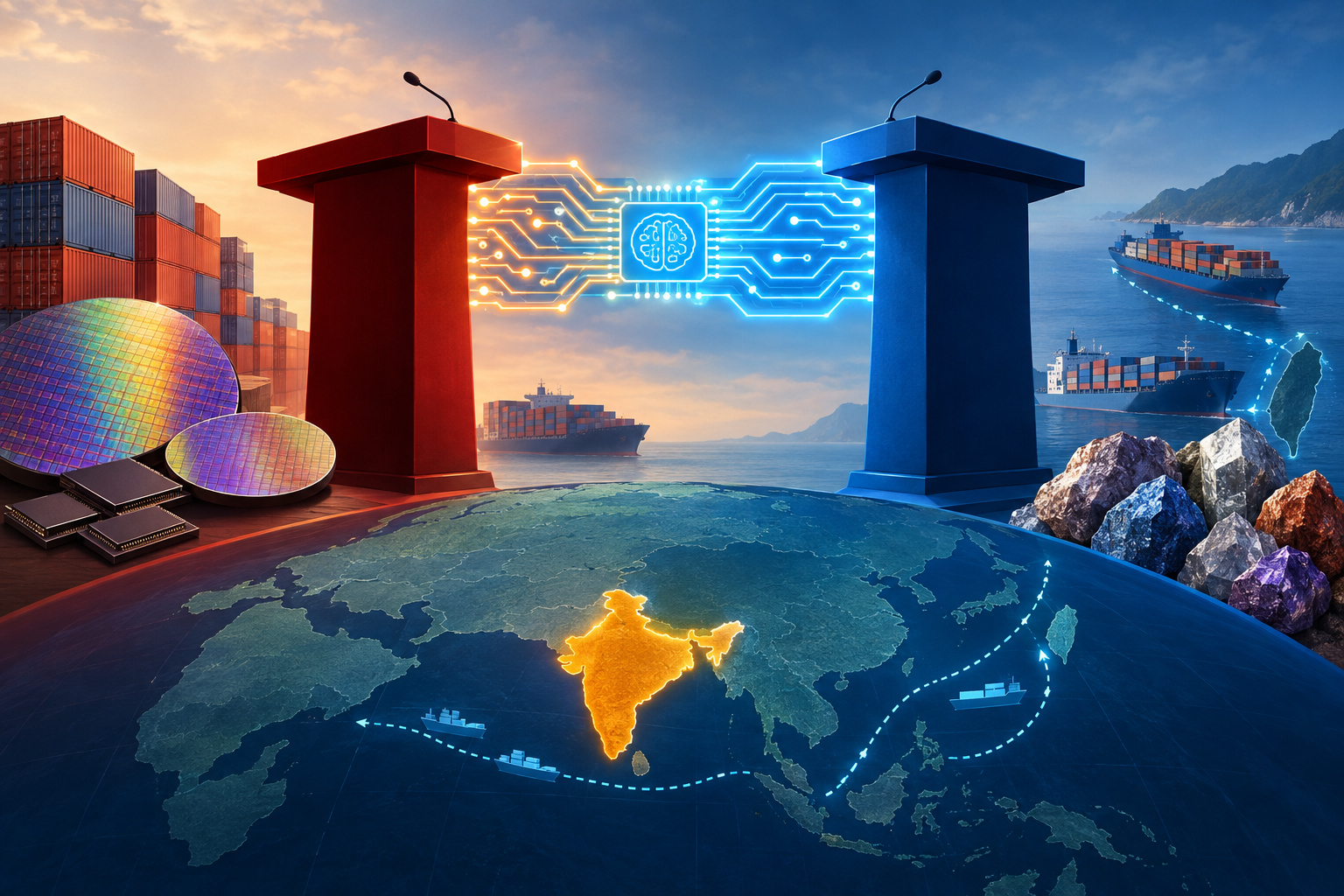
The White House talks widely discussed on September 25 took place on September 24, 2026, during Chinese President Xi Jinping’s state visit to the United States. US President Donald Trump and Xi publicly promoted a more stable relationship, but their meeting also highlighted how deeply the two countries remain divided over technology, trade, critical minerals and Taiwan.

For ordinary consumers and businesses, the central question is whether dialogue between the world’s two largest economies can prevent political competition from producing higher prices, disrupted supplies and weaker economic growth. The meeting did not remove those risks, but it offered signs that both governments want to manage them.
Cooperation without ending competition
Xi said China and the United States should make cooperation the main feature of their relationship, keep competition within limits and manage disagreements peacefully. Trump described the visit positively and said continued dialogue could produce a better economic agreement.
The language was conciliatory, but neither government suggested that strategic competition was ending. Washington continues to view Chinese technological and industrial power as a major challenge. Beijing opposes US restrictions that it believes are designed to contain China’s development.
The practical objective, therefore, is not a full reset. It is to create enough predictability to stop disputes from escalating into a wider economic or military crisis.
Why artificial intelligence became a diplomatic issue
Artificial intelligence was one of the meeting’s most important themes because it now sits at the intersection of economic growth, national security and military power. The United States and China are competing to develop advanced models, semiconductor infrastructure and commercial AI services.
At the same time, both leaders supported continued discussion of shared risks. Xi said the two countries could exchange views on AI’s benefits and dangers, prevent misuse and keep the technology under human control. Trump also backed dialogue and stronger cooperation on AI.
That does not mean the two sides are preparing to share their most advanced technology. Controls on powerful chips, computing equipment and sensitive research are likely to remain central points of friction. A narrower form of cooperation is more realistic, potentially covering communication during major AI-related incidents, human control over critical systems and ways to reduce dangerous misuse.
For users, this matters because competing national rules could determine which AI products are available, where data is stored and what computing hardware companies can buy.
Trade and the rare-earth pressure point
Both governments said their economic teams had reached a new arrangement following negotiations before the summit. Xi called the development positive for businesses, citizens and the global economy, while Trump said negotiations should continue toward a better agreement. The public accounts did not provide a complete final list of terms, making implementation more important than the leaders’ broad statements.
Rare earths remain a key test. These materials and the magnets made from them are essential for electric vehicles, electronics, renewable-energy equipment, aerospace systems and defence manufacturing. The US government wants China to keep supplies moving reliably, while the Chinese government maintains that its export controls are administered under its laws and that legitimate civilian applications can be reviewed.
A dependable flow of minerals would reduce immediate pressure on manufacturers. However, Washington and other governments are still likely to invest in alternative mines, processing facilities and magnet production because the dispute has demonstrated the risks of relying heavily on one country.
Taiwan remains the most dangerous disagreement
Xi urged the United States to oppose Taiwanese independence and handle the issue cautiously. Beijing considers Taiwan part of China and has not renounced the use of force to achieve unification. The island governs itself and remains a crucial centre for advanced semiconductor production.
No new US commitment on Taiwan was announced in the public accounts of the talks. That leaves the issue as a major source of uncertainty. Any confrontation around the Taiwan Strait could disrupt shipping, chip supplies and financial markets far beyond East Asia.
What the meeting means for India
India has reasons to welcome lower US-China tensions. More predictable trade between the two powers can support global demand, stabilise investment decisions and reduce the risk of sudden supply shortages. Indian manufacturers of vehicles, electronics and renewable-energy equipment would benefit if critical-mineral markets remain steady.
But closer bilateral trade arrangements can also redirect Chinese purchases toward American goods, reducing opportunities for exporters in other countries. India must additionally prepare for Chinese products seeking alternative markets whenever access to the United States becomes more difficult.
The technology contest creates both opportunity and pressure. India is expanding domestic AI computing, semiconductor production and rare-earth magnet capacity while deepening technology cooperation with the United States. It also retains significant commercial links with China. New restrictions involving chips, AI models or critical minerals could force Indian companies to redesign supply chains or choose between competing technology ecosystems.
The summit’s main achievement was therefore not a grand settlement. It was a signal that Washington and Beijing recognise the cost of unmanaged rivalry. For India and the wider world, the real measure of success will be whether that message produces reliable mineral supplies, clearer AI safeguards, steadier trade and restraint over Taiwan.