
Trump Rejects Iran’s Seven-Day Hormuz Plan, but Diplomacy Remains Unsettled
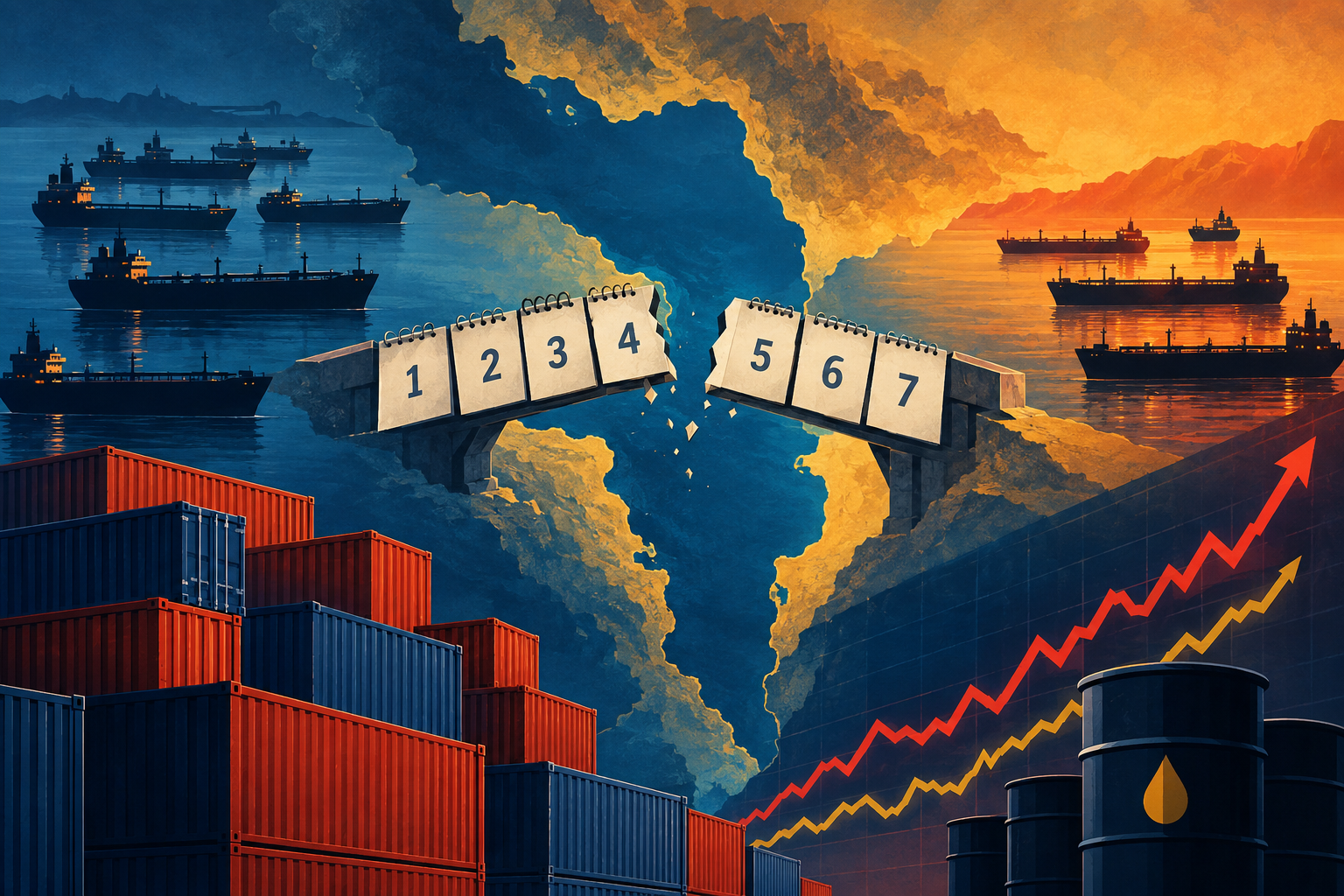
Iran has presented the United States with a proposal that it says could reopen the Strait of Hormuz, pause fighting across the region and restart nuclear negotiations within seven days. US President Donald Trump subsequently confirmed that he rejected the offer, calling its terms unacceptable.

The development is significant because the strait is one of the world’s most important energy corridors. However, it is not a peace agreement that was signed and then abandoned, nor does it establish that all diplomatic contacts have ended.
What Iran proposed
Iranian Foreign Minister Abbas Araghchi said Tehran had submitted a concrete plan through intermediaries during meetings surrounding the United Nations General Assembly in New York. Under Iran’s public description, reciprocal steps would begin a seven-day countdown toward reopening the waterway and resuming nuclear discussions.
Tehran’s conditions reportedly included lifting the US naval blockade of Iranian ports, easing restrictions on Iranian oil sales and restoring a ceasefire extending beyond Iran to other regional fronts, including Lebanon. That makes the proposal broader than a simple maritime arrangement: it links commercial navigation to sanctions, military operations and regional security.
Washington has not released an agreed text, and Iran initially said it was awaiting a definitive US position. On September 26, however, Trump told reporters that Iran had made a proposal and that he had rejected it. His remarks confirm his personal decision on the latest offer, rather than leaving the rejection solely as an anonymously reported position.
Even so, the rejection should not automatically be read as a formal end to negotiations. US officials have indicated that indirect contacts through regional mediators are continuing. Trump also said he remained interested in an agreement, while insisting that the proposed terms were unacceptable.
Separate claims that Trump expects to resume bombing after the US midterm elections have not been announced by the White House as formal policy. They should therefore be distinguished from his confirmed public rejection of Iran’s latest proposal.
Why the Strait of Hormuz matters
The narrow passage between Iran and Oman connects the Persian Gulf to the Gulf of Oman and the Arabian Sea. Before the current disruption, approximately 21 million barrels a day of crude oil and petroleum products moved through it, equivalent to roughly one-fifth of global petroleum consumption and about one-quarter of maritime oil trade.
More than one-fifth of globally traded liquefied natural gas also used the route, primarily through exports from Qatar. Asian economies are especially exposed: China, India, Japan and South Korea have historically received most of the crude passing through Hormuz.
Saudi Arabia and the United Arab Emirates operate pipelines that can bypass the strait, but their available capacity covers only a fraction of normal Hormuz traffic. Alternative routes therefore cannot rapidly replace a fully functioning waterway.
Energy and shipping implications
A credible reopening agreement would probably reduce the geopolitical premium embedded in crude oil, LNG and refined-fuel prices. It could also ease tanker rates and war-risk insurance costs. But prices would not necessarily return to pre-conflict levels immediately. Shipowners would require security assurances, insurers would reassess risks, and delayed cargoes would need to be rescheduled.
Trump’s rejection instead increases the possibility of continued volatility. Markets must now weigh limited escorted shipments against the risks of renewed attacks, stricter enforcement of the US blockade or another collapse in negotiations. Diesel, aviation fuel, petrochemicals and fertiliser could face additional pressure if disruption persists.
Shipping companies also confront higher insurance premiums, crew-safety concerns and uncertain arrival schedules. Longer voyages or cargo transfers outside the Gulf raise costs even when oil remains physically available.
What it means for India
India imports close to nine-tenths of the crude oil it consumes, making international prices and shipping security major economic concerns. Before the crisis, about 45% of its crude imports travelled through Hormuz. India is also vulnerable through LNG, LPG and fertiliser supply chains connected to Gulf producers.
Prolonged disruption could enlarge India’s import bill, weaken the rupee and add pressure to transport, manufacturing and household energy costs. More expensive LPG and fertiliser would carry particularly sensitive consequences for consumers and agriculture.
India has responded by diversifying purchases toward suppliers outside the Gulf and using alternative logistics, but replacement cargoes can be more expensive and take longer to arrive. Its large refining system provides flexibility in processing different crude grades, although it cannot eliminate exposure to global price increases.
Outlook for global markets
Failure to reach an agreement could weigh on airlines, transport companies, chemical manufacturers and other energy-intensive industries. Oil and gas producers outside the Gulf may benefit from higher prices, while importing economies could face renewed inflation and weaker growth.
The central issue is no longer whether Iran floated a seven-day plan or whether Trump rejected that version; both positions are now publicly established. The unanswered question is whether mediators can convert continuing contacts into revised terms covering the strait, sanctions, nuclear policy and regional fighting. Until that happens, energy and financial markets are likely to remain highly sensitive to every sign of escalation or compromise.