
Bose brings back wired noise-cancelling earbuds for $99
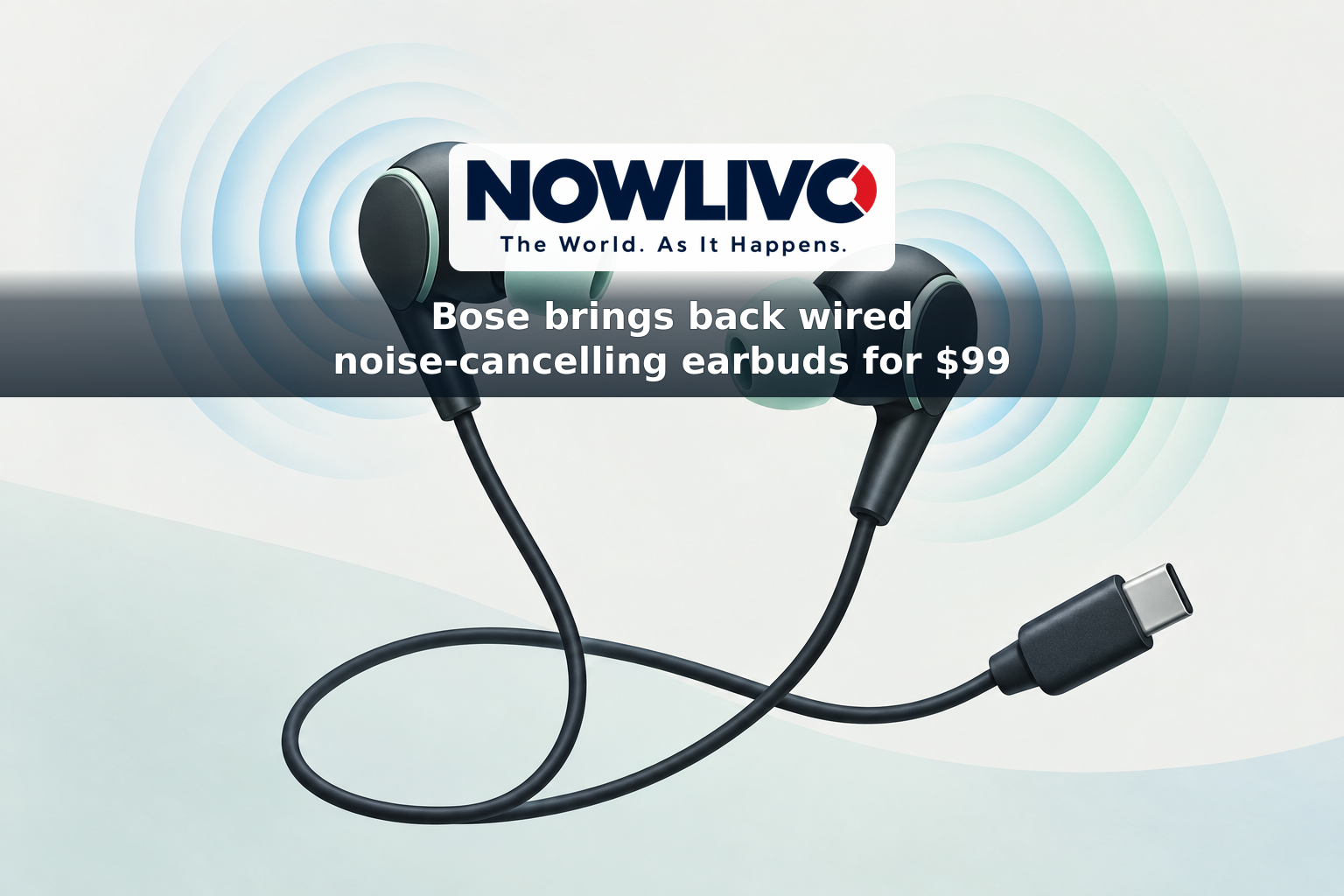
Bose is returning to wired earbuds with a $99 pair that offers active noise cancellation without a charging case or a battery inside the earbuds. Announced on September 28, the Bose Noise Cancelling Wired Earbuds connect to a compatible device through USB-C and draw the power they need from that connection.
The launch revisits a format Bose once offered alongside its wireless headphones. It also gives buyers a different proposition from conventional wired earbuds: a simple plug-in connection, but with selectable noise-control modes and an in-line microphone for calls.
Price and availability
The new earbuds cost $99 in the United States. Bose opened preorders for My Bose customers on September 28 through its own store and Best Buy, and says orders will begin shipping on October 15. The announced colors are Black, White Smoke and a limited-edition Dewdrop Mint. As with any preorder, stock may vary by color and seller before the shipping date.
There is no 3.5mm headphone plug. The earbuds are intended for compatible USB-C phones, tablets and computers, including newer iPhones with USB-C. Buyers using an older iPhone or a device with only a traditional headphone jack should not assume a simple adapter will work: Bose says the earbuds require power from the USB connection and that non-USB adapters are not supported.
What the cable does
The approximately 4.2-foot cable carries audio and supplies power for the earbuds’ electronics. That means there is no Bluetooth pairing, companion app or earbud battery to recharge. It also means the connected phone, tablet or computer provides the power, including when noise cancellation is on.
Bose calls its noise-cancelling system QuietControl. Four microphones, two in each earbud, monitor surrounding sound. An in-line remote switches among Quiet mode, which reduces outside noise; Aware mode, which lets more of it through; and ANC Off. The remote also handles volume, playback and calls, while a microphone on its back picks up the wearer’s voice.
The wired connection is designed to keep audio delay low for video, games and other uses where timing matters. Bose also specifies playback output at 24-bit/48kHz and supports lossless listening with a suitable source. That specification describes the earbuds’ digital output; it is not, on its own, a measure of how they will sound to an individual listener.
For fit, the box includes silicone tips in three sizes and stability wings in medium and large sizes, plus a zippered carrying case. Bose rates the earbuds IPX4 for water resistance, suitable for incidental splashes but not submersion. Comfort, sound quality, call performance and the strength of the noise cancellation will need hands-on assessment.
How they compare with Bose’s earlier wired earbuds
These are not Bose’s first wired earbuds with active noise cancellation. The QuietComfort 20, introduced in 2013, offered noise reduction and an Aware mode through a traditional headphone connection. Its electronics relied on a rechargeable battery rated for up to 16 hours of use; Bose said music could continue playing after that battery ran down, but noise cancellation depended on power. In a 2015 update, the QC20 sold for $299.95.
The new model changes that arrangement substantially. USB-C replaces the older analog connection, and power comes from the device rather than a rechargeable battery in the cable assembly. Its $99 launch price is also far below the QC20’s stated 2015 price. That does not establish that the newcomer cancels more noise or sounds better: Bose has not provided a directly comparable performance measurement for the two models.
Bose’s other wired in-ear products took different approaches. The 2015 SoundTrue Ultra reduced noise through the seal of its ear tips rather than active cancellation, while the wired SoundSport line emphasized a secure, exercise-friendly fit. The new earbuds combine a wired connection and active noise control in a more contemporary USB-C design, though their need for a powered USB-C port makes them less flexible with older audio equipment.
For buyers who want ANC but dislike charging earbuds, that trade-off may be appealing. For anyone who regularly plugs into a 3.5mm jack, the older QC20 remains the more relevant point of comparison. The decisive question for the new pair will be how well Bose delivers noise reduction and comfort at its much lower price.