Diljit Dosanjh’s Delhi Concert Brings Midnight Metro Service and Traffic Curbs Around JLN Stadium
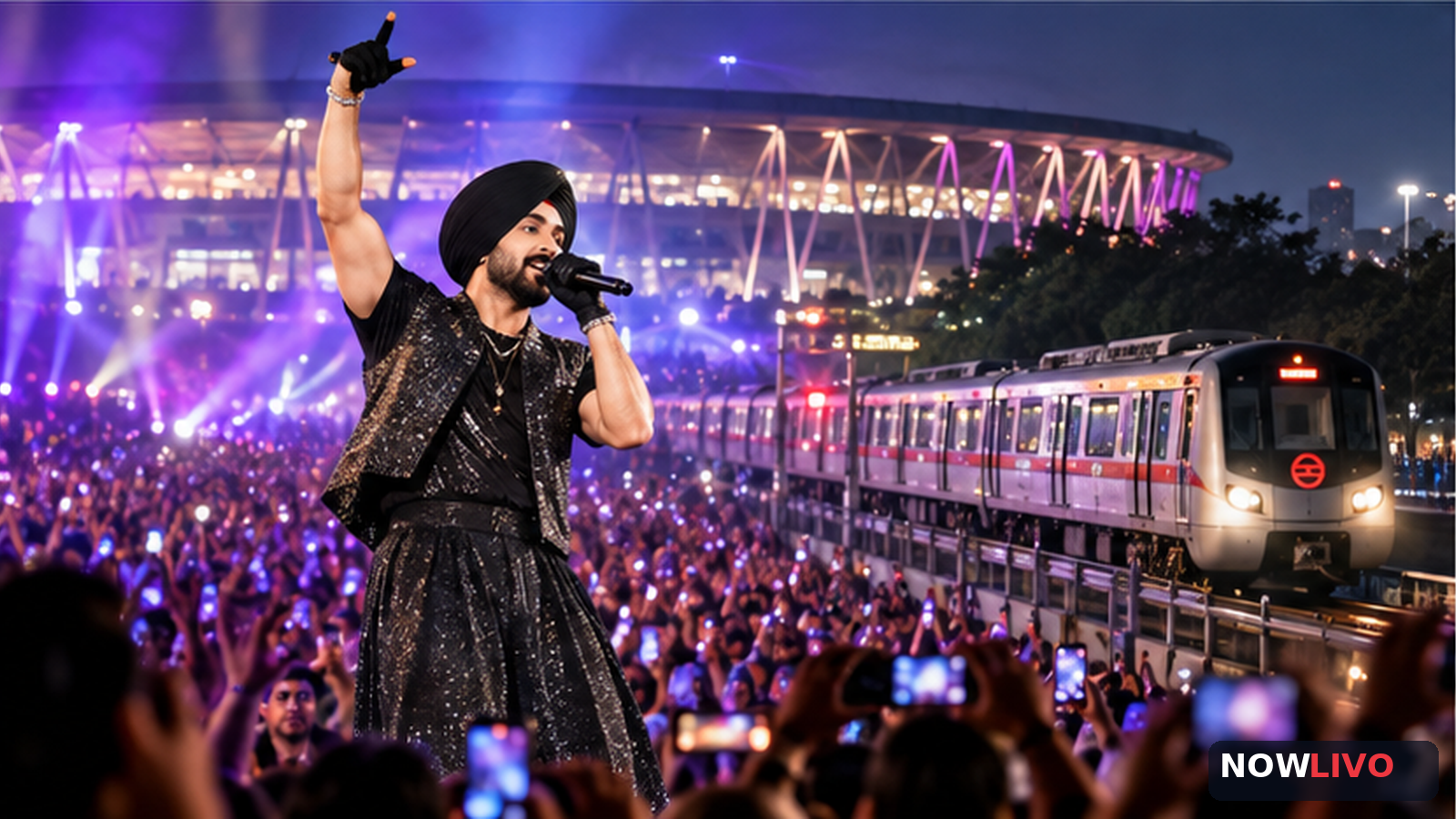
Diljit Dosanjh's October 30 concert at Jawaharlal Nehru Stadium has prompted an unusually practical set of arrangements for fans and commuters in New Delhi. Delhi Metro services are scheduled to run until midnight to help people leave the venue, while traffic restrictions around the stadium are in force from 1 p.m. to midnight. The concert is part of the singer's Aura India Tour 2026, and the combination of a large crowd, limited parking and evening travel demand makes the transport advisory as important to attendees as the stage schedule.
The gates were scheduled to open at 4 p.m., with Dosanjh's performance expected to begin at 7 p.m. and the event planned to close around 10 p.m., according to same-day reports. The artist urged fans to use the Metro rather than drive because public parking was not available at the stadium. The nearest station is JLN Stadium on the Violet Line. These are published arrangements, not a guarantee that every train or entrance will operate without queues; people travelling late should check live station notices and follow staff directions.
A concert that changes the city's evening commute
The Delhi Traffic Police announced restrictions and diversions on roads near the venue. Affected stretches include Bhishm Pitamah Marg, Lodhi Road, Lala Lajpat Rai Marg, Arch Bishop Marg and surrounding internal roads, with controls also affecting approaches around the Barapullah corridor and CGO Complex. Not every listed road is necessarily closed throughout the entire period. Traffic police can adjust diversion points depending on crowd movement, and the precise impact will vary by direction and time. Motorists not attending the concert have a reason to plan around the area as well.
The extended Metro operation is a significant change from an ordinary Friday-night journey. Reports said services would run until midnight to facilitate the event, with exceptions noted for the Airport Express Line and Gurugram Rapid Metro. The extension should not be interpreted as a promise that every branch has identical final departures or that connections remain available after the last train. A fan who must change lines should allow extra time for security checks, station entry and transfers rather than assuming a midnight departure from every platform.
Why the parking warning matters
Large concerts create concentrated arrival and departure periods, especially when thousands of people leave shortly after the final song. Stadium approaches can become crowded even when the performance itself runs on schedule. The artist's public request to take the Metro reflects the venue's parking limitations and the police plan to manage traffic. For people using taxis or ride-hailing services, a designated pick-up point may be some distance from the gate. The safest route may involve walking to a less congested permitted location before requesting a vehicle.
Fans arriving from outside Delhi face another consideration: the concert ending at roughly 10 p.m. does not necessarily mean they can reach a distant railway station, bus terminal or airport without delays. They should account for crowd dispersal and any road diversions before booking a late onward journey. Attendees who need accessible transport should consult the event organiser and Metro staff for current arrangements, since a generic route recommendation may not suit every passenger. Weather and last-minute operational changes can also affect how quickly the crowd moves.
The performance and the immediate search interest
Dosanjh is one of the most recognisable Punjabi performers in India, with an audience that extends across language and regional boundaries. His concert has created two overlapping kinds of interest: fans seeking the event experience and city residents trying to understand why their usual roads or Metro schedules have changed. That is why a same-day travel advisory deserves prominent coverage even without a new album or a celebrity dispute. The development is concrete, time-sensitive and useful to people making decisions on Friday evening.
The reported 7 p.m. start is a scheduled time, not a live confirmation that the artist walked on stage at that exact minute. This article does not claim that the show has concluded or describe a set list that has not been independently established. A post-concert update would require new information such as a confirmed performance development, a changed departure arrangement or an official crowd-management notice. Repeating the same travel advisory after it expires would not be a meaningful new story.
For Friday night, the key facts remain the venue, the published performance window, the absence of public parking, the midnight Metro extension and traffic controls near the stadium. Fans should follow official transport and police updates as the evening progresses. Those arrangements make the Delhi show a live city-service story as well as a major entertainment event, with the most immediate value for anyone deciding how to get there and how to return home.