San Francisco Votes to Pause New Data Centers for 45 Days; Could the Ban Last Two Years?
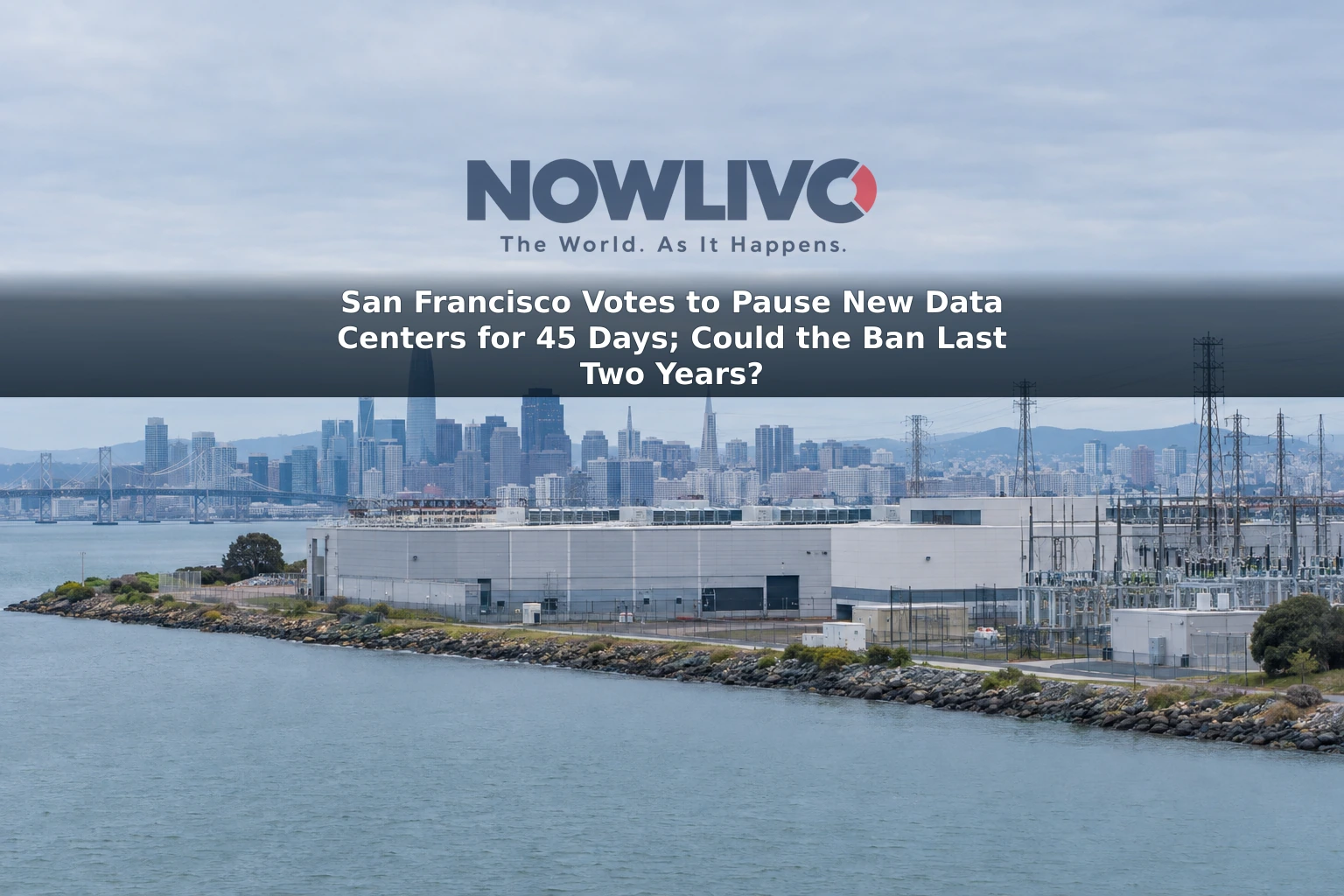
San Francisco’s Board of Supervisors voted unanimously on October 6, 2026, to pause approvals for new data centers for 45 days. The city plans to use that time to study the facilities’ demands on electricity and water, their potential effects on air quality, and their impact on surrounding neighborhoods. The moratorium could eventually run for as long as two years, but supervisors have not approved an extension.
The vote is striking in a city where OpenAI and Anthropic are based. It does not, however, ban either company from operating in San Francisco, shut down existing data centers or stop AI services from running. It concerns the city’s approval of data-center development within its own borders—not where companies may obtain computing capacity elsewhere.
What did San Francisco approve?
The measure is a citywide interim zoning moratorium covering data centers as defined by the ordinance. It is intended to hold off new approvals while the Planning Department assesses the facilities and develops longer-term rules. Supervisor Shamann Walton, who introduced the proposal, has said the review will consider energy, water, air quality, land use and community impacts, as well as a clearer definition of a data center.
Reports differ on precisely when the ordinance takes legal effect. Bloomberg described the pause as immediate, while a corrected account in The San Francisco Standard said it could take effect within 10 days of the vote if Mayor Daniel Lurie does not return it sooner, and that he could veto it. The clear development is the supervisors’ unanimous approval; the 45-day period should not be mistaken for a permanent ban.
Could the data-center pause last two years?
Yes, but only with further action. California law permits an initial 45-day interim zoning ordinance to be extended after notice and a public hearing, with the required supermajority vote. Depending on the extension procedure used, the total period can reach two years. That is the source of the roughly two-year possibility—not a duration the board voted to impose on October 6.
City officials must decide what to do with the time. They could allow the temporary measure to expire, seek an extension or pursue lasting development rules. An extension would require another vote; it does not happen automatically.
Why are officials concerned about data centers?
Data centers house the computing equipment behind many digital services, including AI. Their power and cooling needs can raise questions about local infrastructure and water use, while backup equipment, noise and land use can matter to nearby residents. The effects of any particular project depend on its design and location, which is why San Francisco is studying proposals rather than declaring every facility has the same impact.
The debate has been especially pointed in southeast San Francisco. Sponsors of the measure raised concerns about additional development in Bayview-Hunters Point, a neighborhood with existing data-center facilities and longstanding industrial pollution concerns. Officials have also acknowledged that the city lacks a comprehensive tally of its data centers, making an inventory and clearer rules part of the work ahead.
For now, San Francisco has chosen a short review period over an outright permanent prohibition. The next consequential decision is whether supervisors extend the moratorium—and what standards they propose for future projects.