
Apple Pay India Hiring Signal Is Progress, Not a Launch Date
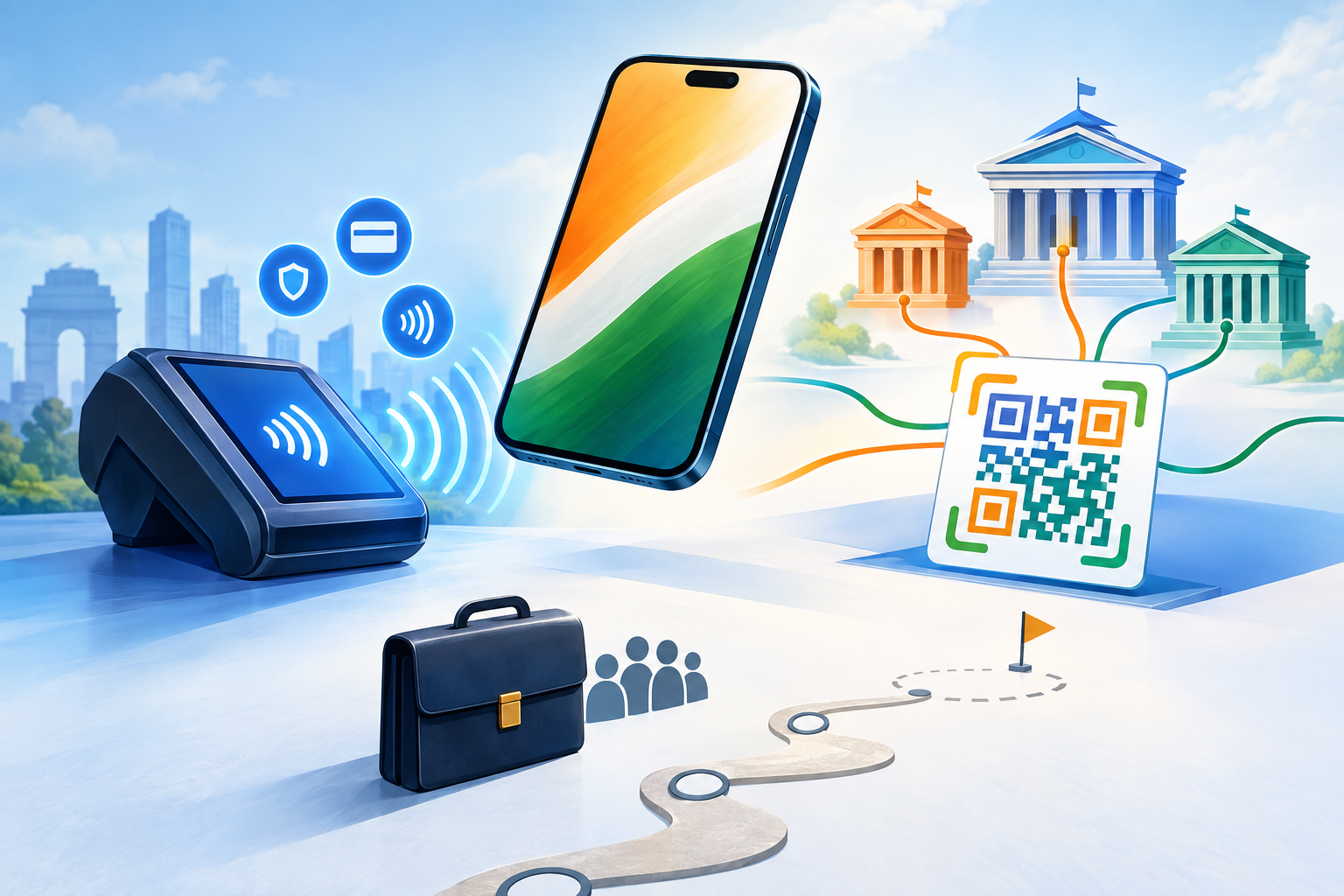
Apple has offered its clearest recent signal that it is strengthening payments work in India, but consumers should not mistake that signal for a launch announcement.

A Bengaluru-based opening for a Business Development Manager in Apple’s Wallet, Payments and Commerce team was posted on September 23, 2026. The role covers Apple Pay offerings in India and calls for work with card issuers, acquiring banks, payment networks, merchants, point-of-sale vendors and regulators. It also seeks knowledge of NFC payments, UPI and device tokenisation.
Those details make the position more relevant than a generic technology vacancy. They indicate that Apple is building or expanding the commercial relationships required to operate a payment service locally. However, as of September 26, Apple has not announced an India launch date, identified participating Indian card issuers or added India to its official list of countries and regions supporting Apple Pay.
How Apple Pay could work alongside UPI
Apple Pay’s conventional model is based primarily on tokenised payment cards. A participating debit or credit card is added to Apple Wallet, where the physical card number is replaced by a device-specific payment credential. At a compatible terminal, an iPhone or Apple Watch can transmit that credential over NFC after the user authenticates with biometrics or a device passcode.
That model would not replace UPI. It would give iPhone users another way to make card payments at contactless terminals and could simplify checkout in supported apps and websites. Card rewards, credit limits, billing cycles and merchant acceptance would still depend on the underlying issuer and network.
UPI occupies a different position in India because it moves money directly between participating accounts and is accepted widely through QR codes and mobile applications. The system processed about 24.5 billion transactions worth approximately ₹29.82 lakh crore in August 2026, illustrating the scale any new payment service must address.
Apple could therefore pursue a layered approach. Card-based tap-to-pay may serve larger retailers, travel purchases and online checkouts, while UPI support could make Wallet useful for the everyday QR payments common at neighbourhood shops, restaurants and transport services. Whether both options would arrive together is unknown. The job description’s reference to UPI shows that Apple considers it relevant; it does not confirm that UPI will be included in a first release.
The partnerships Apple would need
Apple cannot activate Indian cards in Wallet through a software update alone. Each participating issuer would need to support card provisioning, customer verification, token management, transaction disputes and lost-device procedures. Card networks or authorised issuers would be involved in generating and managing the tokens that replace customers’ actual card details.
Apple would also need coordination with acquiring banks and payment processors so that transactions are handled correctly across compatible terminals. Point-of-sale vendors and merchants may require testing, certification or configuration work, even if their existing contactless equipment already supports the relevant card standards.
A full UPI implementation would involve a separate set of arrangements. A third-party UPI application generally works with a sponsor payment-service-provider bank, which helps it seek onboarding to the network operated by the National Payments Corporation of India. The product would also have to meet technical, security, customer-support and transaction-handling requirements.
Regulatory compliance is another substantial part of the process. India’s framework covers device tokenisation, consent and authentication, restrictions on storing actual card details, payment-data storage and access for regulatory oversight. Apple’s listing explicitly calls for cooperation among its engineering, operations, privacy, compliance and legal teams, reflecting how much of a launch happens beyond the visible Wallet interface.
Why the listing is not a countdown
Hiring can occur at many stages of a product’s development. The successful candidate could be brought in to finish launch agreements, expand a limited rollout, add more banks after launch or prepare features that remain months away. Recruitment and commercial negotiations can also take longer than expected.
The wording of the role is broad, covering adoption, scale, new features and continuing partner management. That suggests a long-term payments operation rather than a vacancy tied solely to a single release date.
The stronger confirmation points will be an announcement from Apple, named support from participating banks, updated regional availability information and clear instructions allowing Indian-issued cards or bank accounts to be added. Until those appear, the Bengaluru opening is best viewed as evidence of serious groundwork—not proof that Apple Pay will become available on a particular day.