F1 Active Aero vs Overtake Mode: What Changed in 2026?
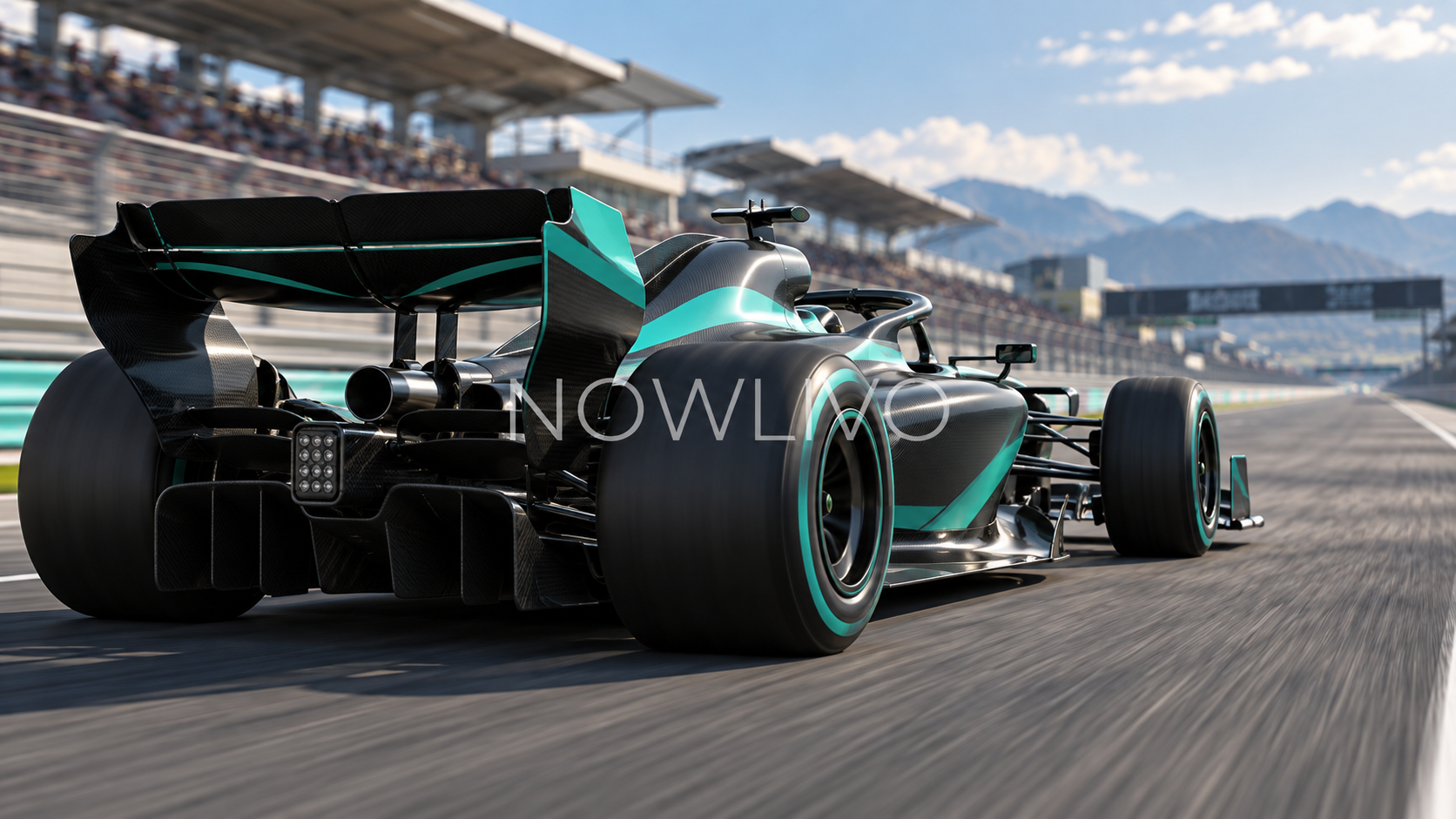
F1’s active aero and Overtake Mode are different systems. Active aero changes the front and rear wings to balance grip and drag. Overtake Mode gives an eligible following car extra electrical deployment capability. In 2026, seeing a wing move does not by itself mean a driver has earned an overtaking advantage.
The distinction matters because fans accustomed to DRS can otherwise confuse a normal aerodynamic change with a special tool for chasing another car.
What does active aero do?
Formula 1’s official beginner guide describes two wing configurations: Straight Mode and Corner Mode. On designated straights, opening the wing elements reduces drag. In corners, the default configuration provides the downforce needed for grip.
Think of drag as resistance to moving through the air and downforce as aerodynamic loading that helps the tyres grip. A setting useful for travelling quickly along a straight is not necessarily the setting wanted through a fast turn.
Active aero changes that compromise as the car moves around the circuit. It involves both front and rear wings, rather than simply copying the old rear-wing DRS arrangement.
How does Overtake Mode work?
Under F1’s published explanation, a car within one second of the car ahead at a designated detection point gains Overtake Mode for the next lap. This gives it additional electrical deployment and harvesting capability.
The benefit concerns how the hybrid system uses energy. It is not permission to ignore the normal racing rules, and it does not ensure the pass will succeed. Track position, braking and the rival’s response still matter.
What happened to DRS?
The old system offered eligible drivers a rear-wing change in defined zones. The 2026 rules separate the aerodynamic function from the electrical overtaking assistance. Active aero handles the wing configuration; Overtake Mode supplies the conditional energy advantage.
That is why “the wing is open” and “the driver has Overtake Mode” are different observations. An onboard camera can show the first without telling you everything about the second.
Where do Boost and Recharge fit?
Boost lets a driver request a different energy-deployment setting to attack or defend, subject to the available energy and team configuration. Recharge describes harvesting energy back into the battery. Much of that harvesting is managed automatically.
These tools interact with the race but perform different jobs. A driver can choose where to use energy without having an unlimited supply. Spending more in one part of the lap creates a planning question about what will be available later.
A simple example while watching a race
Imagine two cars approaching a long straight. Both may use the relevant low-drag wing configuration. If the following driver met the Overtake Mode condition, that car also has an electrical advantage available. The driver ahead may respond using its own deployment strategy.
Even then, the following car needs a good exit and a workable passing opportunity. These are hypothetical cars, not a prediction that one button will decide every fight.
Three things to watch instead of just the wing
- The gap: Check whether the chaser met the detection condition.
- The energy story: Listen for deployment, harvesting and battery-state explanations.
- The corner exit: A poor exit can undermine the next straight before an overtaking tool helps.
For race coverage, browse NOWLIVO’s Formula One section. Reading the wing position, eligibility and energy strategy together gives you a clearer explanation of an attack than calling every speed difference DRS.