India and Liberia Launch UN Maritime Safety Group for Ships and Seafarers
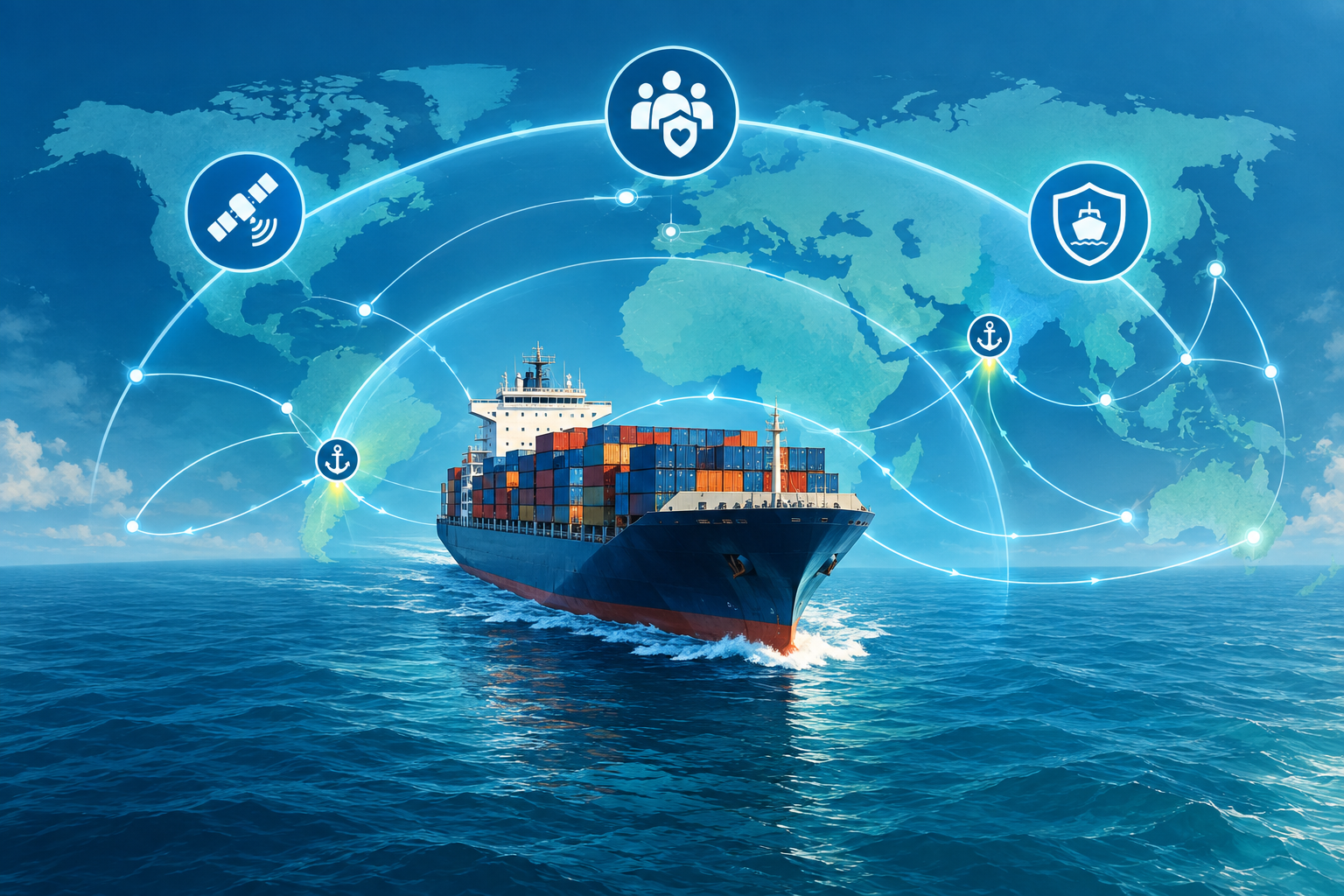
India and Liberia have launched an international group focused on the safety and security of commercial shipping and seafarers, responding to mounting risks along some of the world’s busiest maritime corridors.

The Group of Friends on Safety and Security of Shipping and Seafarers held its inaugural ministerial-level meeting in New York on September 25, 2026, alongside the 81st session of the United Nations General Assembly. External Affairs Minister S. Jaishankar co-chaired the meeting with Liberian Foreign Minister Sara Beysolow Nyanti.
The initiative brings together countries occupying different parts of the shipping system. India is a major supplier of merchant mariners, while Liberia operates the world’s largest ship registry by tonnage. The combination is intended to connect the interests of crew-supplying nations, ship-owning states and the countries under whose flags commercial vessels sail.
Who is participating?
Representatives of 25 countries attended the first meeting, including the two co-chairs. Russia, Germany and Japan were among the other participating states, alongside countries with significant ship ownership, vessel registries or seafaring workforces.
The full membership structure and working procedures have yet to be publicly detailed. The group is expected to remain voluntary and inclusive, allowing governments and relevant maritime stakeholders to shape its agenda through further consultations.
It is not a new enforcement agency, naval coalition or treaty body. Instead, it is designed as a diplomatic platform that can keep shipping security and crew welfare on the international agenda. Members are expected to advance these issues through the United Nations and specialist bodies such as the International Maritime Organization and the International Labour Organization.
What risks will the group address?
The launch follows repeated threats to civilian shipping in and around the Red Sea, the Black Sea, the Gulf of Oman and the Strait of Hormuz. Commercial vessels operating in such areas may face missile or drone attacks, armed assault, seizure, piracy and disruption caused by wider military confrontations.
These dangers extend beyond the immediate possibility of physical harm. When routes become unsafe, ships may be held in place or diverted over much longer distances. Crew changes can be postponed, medical treatment may be delayed and seafarers can remain aboard for extended periods without knowing when they will return home. Family separation, fatigue and psychological distress can become serious welfare concerns.
Disruption at maritime chokepoints can also affect the movement and cost of fuel, food, fertiliser and manufactured goods. Shipping companies may face higher insurance, security and operating expenses, while longer voyages can increase fuel consumption and place additional pressure on supply chains.
Nyanti identified three broad priorities for the new group: vessel safety and environmental protection, the security of commercial sea lanes and the welfare of seafarers. Jaishankar said participating states should cooperate more closely to deter attacks and improve the implementation of existing international protections.
What it could mean for Indian seafarers
Indian nationals work aboard both Indian-flagged and foreign-flagged vessels, making coordination especially important during a crisis. A ship may be registered in one country, owned or managed from another and crewed by people from several more. That division of responsibility can complicate emergency communication, evacuation, medical assistance and contact with families.
A functioning international network could give Indian authorities clearer points of contact with flag states, ship operators, coastal governments and diplomatic missions. It could also support faster distress alerts, better information about developing threats and more coordinated responses when Indian crew members are stranded, injured or unable to leave a vessel.
The initiative complements India’s proposal for a Seafarers Emergency Support Network linking maritime authorities and embassies. The proposed mechanism would be intended to assist with medical care, family communication, evacuation and other urgent needs, although its operating arrangements still require international agreement.
Will it make commercial shipping safer?
The group’s immediate influence is likely to be diplomatic rather than operational. It will not independently escort vessels or eliminate the geopolitical conflicts driving many attacks. Its value will depend on whether members establish practical communication channels, share timely risk information and agree on responsibilities before emergencies occur.
If it develops clear procedures, the platform could reduce delays between an incident at sea and the international response. It may also help align the priorities of shipping registries, crew-supplying nations and shipowners, whose responsibilities frequently overlap.
For India, the initiative provides an opportunity to turn its large maritime workforce and growing security role into stronger international protections for seafarers. For global trade, it creates another forum for defending the principle that civilian vessels and their crews should not become targets during conflict. The key test will be whether the group moves beyond statements and builds systems that deliver assistance when ships and sailors are in danger.