Maharashtra Inducts 250 Ex-Agniveers into Coastal Police Without New Recruitment Test
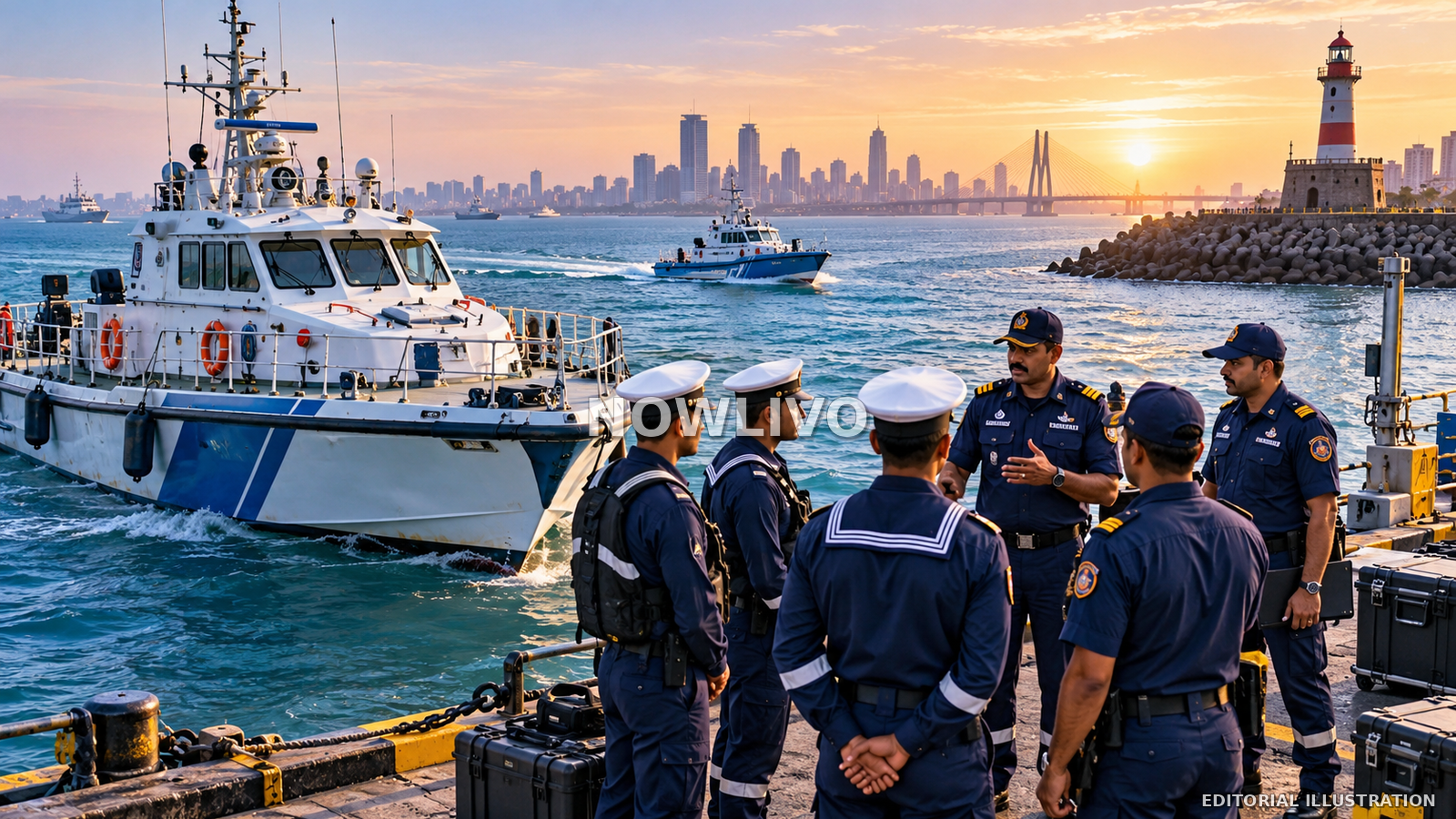
Maharashtra has inducted more than 250 former Indian Navy Agniveers into its coastal police force without requiring them to sit a fresh recruitment examination, Chief Minister Devendra Fadnavis announced in Nagpur. The move creates an employment route for personnel completing the armed forces’ four-year Agnipath tenure and places their maritime training into a public-safety role. The state says the first group has been selected through amended recruitment rules and direct appointment orders. The announcement is significant for coastal security and for the debate over what support should be available to Agniveers when their military service ends. The number refers to the initial group described by the government, not a promise that every former Agniveer will automatically receive a police job.
What the state has announced
The Maharashtra government said more than 250 former Navy Agniveers have joined the coastal police without taking a new recruitment test or undergoing another round of training. Fadnavis said the decision recognises the selection process and service experience these personnel already completed in the armed forces. According to the announcement, the state amended its recruitment rules and issued appointment orders through direct recruitment. Those procedural changes matter because public-sector hiring normally operates under specified eligibility and selection requirements. The programme is therefore being presented as a formal policy route rather than an informal preference for applicants with a military background.
The first cohort is drawn from former Navy personnel, which makes their background particularly relevant to a coastal policing assignment. Naval service can provide experience with maritime operations, vessel procedures, discipline, communications and working in challenging conditions. The announcement does not provide a full breakdown of postings, rank structure or the precise duties each person will perform. Those details will determine how the new recruits are deployed, which units they strengthen and how the state measures their contribution over time.
Why Agniveer transition is an employment issue
The Agnipath model recruits personnel for a four-year term, after which only a portion may be retained for longer service in the armed forces. That structure creates a transition challenge for the majority who leave after the defined tenure: they must move into further education, private employment, public service or another career path. A recruitment route for former Agniveers can use their training rather than treating the end of military service as a return to the labour market with no recognised experience.
The policy can be especially relevant when the new job draws on skills learned in uniform. Coastal security involves patrols, observation, vessel identification, safety procedures and coordinated response to incidents at sea. Former Navy personnel may arrive with useful foundations, but they will still need training in state policing law, criminal procedure, evidence handling, civilian rights and local command systems. Military experience is an advantage, not a substitute for the complete professional requirements of a police role.
How direct recruitment changes the process
Fadnavis said the government changed the relevant recruitment rules and issued appointment orders without requiring another examination or training course. The stated rationale is that the former Agniveers already cleared a demanding selection process and completed specialised instruction. Avoiding duplication may shorten the time between military discharge and deployment, and it can help the state recruit people whose technical background is closely aligned with maritime duties.
At the same time, a transparent route needs clear eligibility standards. Applicants and the public should be able to understand which service records qualify, whether medical and background checks remain mandatory, how vacancies are counted and which authority confirms suitability. Exempting a candidate from a second written examination is different from waiving all checks. A defensible policy can recognise prior training while retaining the requirements that apply to police personnel entrusted with public powers.
Why coastal policing matters
Maharashtra has a long coastline with commercial ports, fishing communities, passenger traffic, industrial facilities and busy approaches to major urban centres. Coastal police help monitor activity close to shore and coordinate with other agencies when suspicious vessels, missing people, smuggling or emergencies are reported. Their work requires local knowledge as well as maritime awareness because an incident may begin at a jetty, beach or fishing settlement before it becomes a larger security concern.
The addition of trained personnel could strengthen patrol capacity if recruits are distributed according to operational need and supported with boats, communications, equipment and reliable maintenance. Headcount alone does not determine readiness. Units also need supervision, intelligence sharing, clear operating procedures and regular exercises with the Navy, Coast Guard, port authorities and local police. The new recruits’ experience may be particularly useful when it is matched to assignments where maritime familiarity has an immediate practical value.
Potential benefits for recruitment and retention
A direct pathway can make public employment more predictable for service leavers and may encourage personnel to complete their military tenure with the knowledge that their skills can be used afterward. It can also benefit police forces that need applicants comfortable with disciplined teamwork, technical equipment and structured operations. A well-run programme could give former personnel a stable second career while preserving the value of the training that the public has already funded.
The benefit should be assessed through the quality of service, not just the number appointed. New recruits will need induction into the legal and social responsibilities of policing, continuing professional development and opportunities to progress through fair rules. Retention will depend on pay, working conditions, safety equipment, housing and whether the role offers a credible career. If those factors are weak, the programme may fill vacancies initially without ensuring a long-term skilled workforce.
What to watch next
The next useful indicators will be how many recruits report for duty, where they are posted, what induction they receive and whether the state extends the route to other eligible service leavers. A public account of vacancy numbers and training standards would help assess whether direct recruitment improves readiness or simply changes the hiring process. The government can also clarify how new personnel will be evaluated after deployment and what role they will play in coastal patrols and incident response.
The announcement offers a clear benefit to the first group and a potential model for transition from military service to civilian public employment. The longer-term test is whether the policy maintains transparent recruitment, prepares former Agniveers for the distinct legal duties of policing and translates maritime experience into better service for coastal communities. The state’s decision is a starting point; implementation will show how broadly the model can work.