
Piyush Goyal Says India-US Trade Deal Is Nearly Ready, Tariff Edge Still Unresolved
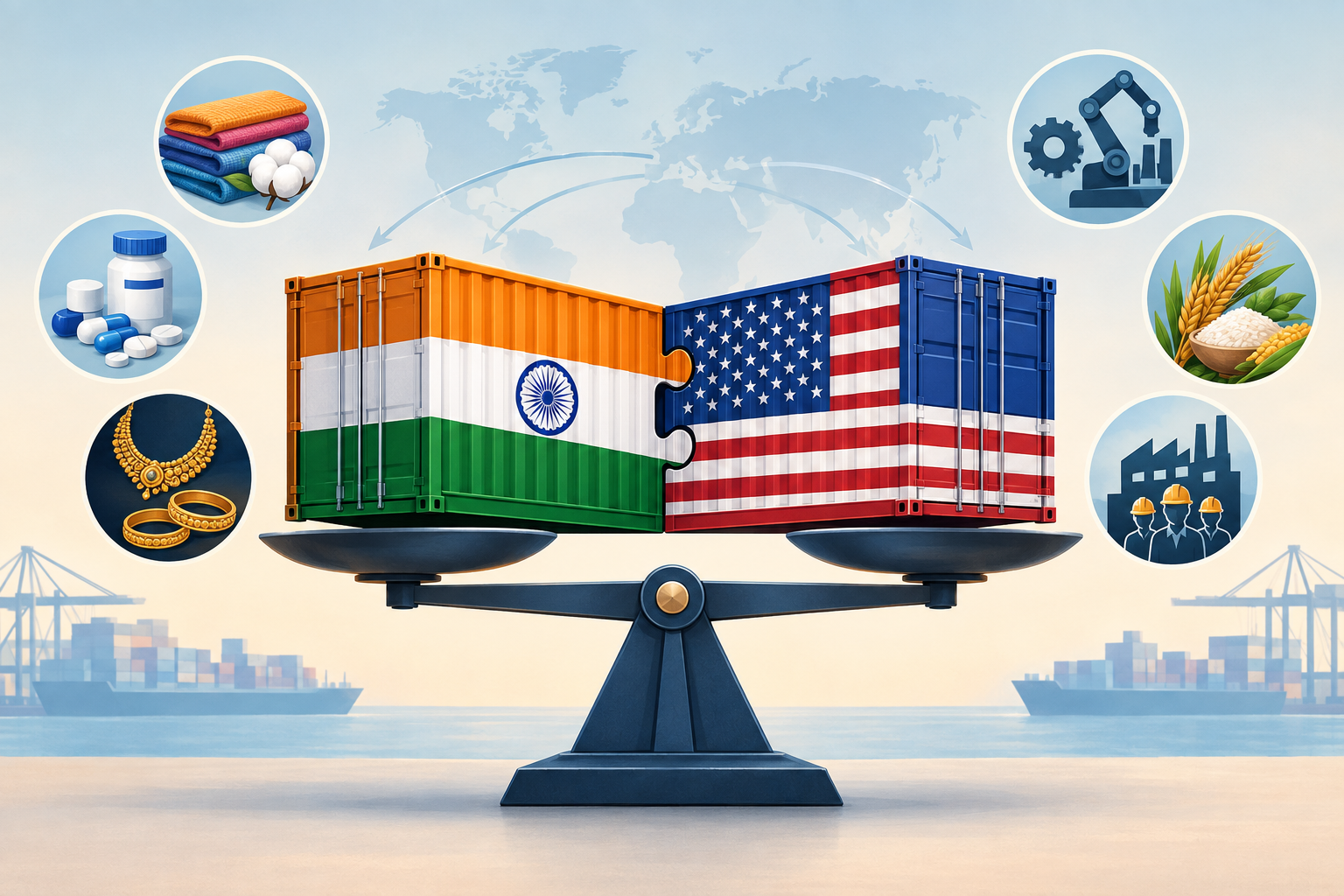
India’s proposed trade agreement with the United States is almost “done and dusted,” Commerce and Industry Minister Piyush Goyal said, while making clear that an important tariff issue remains unresolved before the pact can be executed.

Speaking at a Public Affairs Forum of India event in New Delhi on September 24, Goyal said the two countries must find the right competitive advantage for Indian goods against rival suppliers in the American market. His remarks suggest that the broad structure has largely been negotiated, but they do not amount to independent confirmation that a final agreement has been signed or implemented.
The next significant diplomatic opportunity is expected during Goyal’s visit to the United States for the G20 Trade Ministerial in Milwaukee, Wisconsin, scheduled for September 30 and October 1. He is due to hold a bilateral meeting with US Trade Representative Jamieson Greer, with the outstanding trade questions expected to feature in their discussions.
Why negotiations are continuing
India and the United States announced a framework for an interim agreement on February 6, setting out proposed tariff reductions, market-access commitments and measures addressing non-tariff barriers. That framework included an 18% US reciprocal tariff on several categories of Indian goods and possible removal of additional tariffs from products such as generic medicines, gems, diamonds and aircraft parts once the interim agreement was successfully concluded.
The negotiating environment changed after the US Supreme Court ruled on February 20 that the emergency-powers law used for the reciprocal tariff programme did not authorise those tariffs. Washington subsequently moved to other legal mechanisms, including a temporary import surcharge and later Section 301 duties connected to forced-labour import controls.
Those changes matter because India is seeking not merely a lower tariff, but a meaningful advantage over competitors such as Bangladesh, Vietnam, Thailand, Cambodia, Indonesia and Malaysia. If rival suppliers receive similar or better treatment, the commercial value of India’s concessions could be weakened even if the agreement itself is otherwise complete.
Sectors likely to feel the impact
Textiles and apparel are among the most closely watched industries because small differences in import duties can determine where American retailers place large orders. Indian garment, fabric and home-textile manufacturers compete directly with producers across South and Southeast Asia, making preferential access important for factories and labour-intensive production centres.
Leather, footwear, gems and jewellery, home furnishings, toys and handicrafts could also benefit from lower barriers. These industries include large networks of smaller manufacturers, workshops and exporters, meaning stronger US demand can have an effect beyond major listed companies.
Machinery, engineering goods and auto components are another important group. More predictable access could encourage Indian companies to expand capacity and help American buyers diversify their supply chains. Generic pharmaceuticals, chemicals and aircraft parts may gain if promised exemptions or reduced duties are included in the implemented terms.
Agriculture remains sensitive. The February framework envisaged improved access for selected Indian products such as spices, tea, coffee, nuts, fruits and processed foods. India, meanwhile, has sought to protect politically and economically sensitive areas including dairy, meat, poultry and major cereals, while considering calibrated access for selected US farm goods.
Why consumers, workers and investors should care
For consumers, tariffs can influence the landed cost of clothing, jewellery, household products, machinery and food. Reductions may create room for lower prices, although savings are not guaranteed to reach shoppers because exchange rates, freight costs, retailer margins and domestic taxes also affect final bills. Indian buyers could similarly see more competitive prices for selected American industrial products, technology equipment, nuts, fruit, edible oils, wine and spirits if import duties are reduced.
For exporters and workers, the central question is whether the agreement generates durable orders. Increased US demand could support jobs in garment factories, leather clusters, jewellery centres, engineering units and agricultural supply chains. A weak tariff advantage, however, could leave Indian suppliers struggling against lower-cost competitors.
Investment decisions may also depend on the final text. Clear and stable rules can encourage companies to build factories, expand warehouses and establish supplier networks in India for the American market. Uncertain or frequently changing duties make such long-term commitments harder to justify.
Goyal’s statement therefore signals political confidence rather than formal completion. The planned discussion with Greer will be closely watched for evidence that the two sides have resolved the tariff architecture and are ready to move from an announced framework to an operational agreement.